Best Prebiotic Supplements For Gut Health: Top Picks Compared
Most gut health advice starts with a long list of things you're doing wrong. This one starts with something simpler: your water bottle. Feeding your gut the right way comes down to consistency, purposeful, non-GMO ingredients and a tasty habit that doesn't feel like homework. The good news is that supporting your gut microbiome doesn't require a lifestyle overhaul or a cabinet full of capsules.


True Lemon Curb Strawberry Fusion

True Lemon Curb Wellness Bundle

True Lemon Curb Blueberry Fusion

True Lemon Curb Peach Fusion
4 products
Check out our Blog

Not sure what to drink during your fasting window? This intermittent fasting drink guide covers everything from coffee to electrolytes.
Learn More
Learn all about potential ellagic acid benefits for immune health. True Citrus shares how this antioxidant works in your body.
Learn More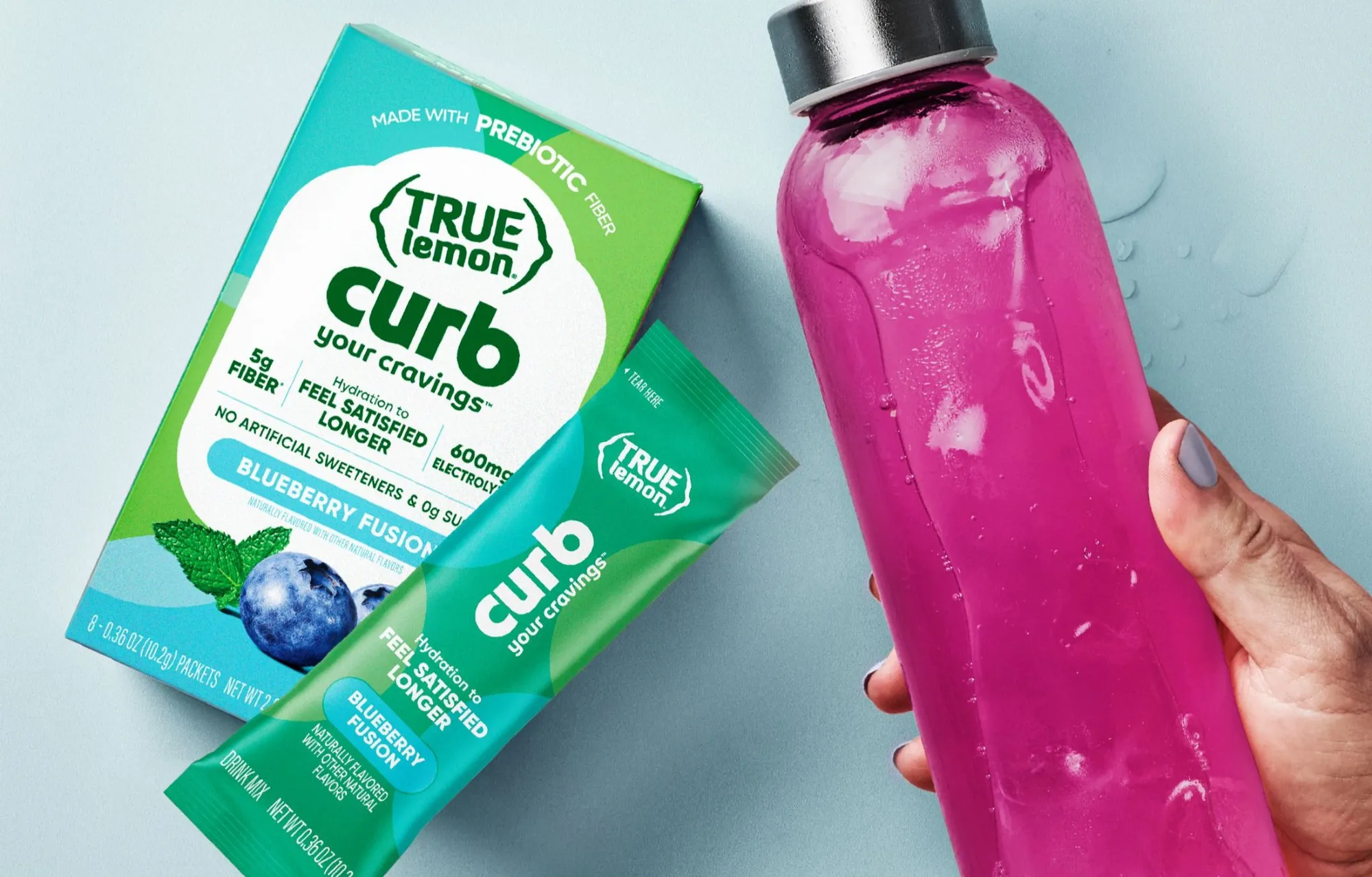
Can you drink on GLP-1 medications? Learn the risks, side effects and better hydration alternatives.
Learn MoreYour Gut Is Doing More Than You Think
The gut is one of the most active systems in your body, but most people only think about it when something feels off. Here's what's going on in there and why it matters beyond digestion.
The Gut Microbiome And Why It Deserves More Attention
Your gut is home to trillions of microorganisms that collectively make up your gut microbiome. This community plays a role in digestion, immunity and even has a line of communication with your brain. So, it makes sense to say that the gut isn't just a digestive organ. It's a control center that influences how the rest of your body functions day to day. However, this system is pretty sensitive to disruption. A diet low in fiber, poor sleep, general stress and inconsistent hydration may all take their toll on microbial diversity. The shifts aren’t always dramatic at first; you might notice unpredictable digestion, more tiredness or stronger cravings. But most people chalk them up to other causes rather than considering the gut connection.
Why Fiber Is The Foundation Your Microbiome Needs
Without adequate fiber intake, the good guy bacteria in your gut may experience a decline in population. Many adults fall short of the recommended daily fiber intake through diet alone, which is exactly where drinks for gut health and fiber-forward supplements fill a gap to help your gut thrive rather than just survive. Ultimately, regularly feeding your microbiome isn't a trend. It's basic maintenance for one of your most important biological systems.
The Best Prebiotic Supplement For Gut Health In 2026
Supporting your gut microbiome shouldn't be a struggle, and True Lemon Curb makes sure it isn’t. This tasty prebiotic drink mix works while you hydrate, giving you twice as much utility in one powerful, travel-sized packet. All you really need to do is rip one open, sprinkle it into 20–24 oz. of cold water and sip your way to happiness. In fact, from a third-party home use test with 400 participants, 92% said they would recommend it.
What's Inside Every Packet
Each serving delivers 5 grams of prebiotic fiber that feeds the beneficial bacteria in your gut while expanding in water to support satiety between meals. On top of that, you’ll find a purposeful, non-GMO formula that boasts chlorogenic acid from green coffee bean extract for metabolism support, 30mg of caffeine from green tea for steady energy without the jitters, 600mg of balanced electrolytes for optimized hydration and 100% of your daily Vitamin C for antioxidants. This proprietary Phyto True™ blend creates a well-rounded prebiotic fiber supplement built for people who want their water bottle to do a whole lot more than just hydrate.
Pick Your Flavor, Start Your Happy Habit
Better yet, you have multiple delicious, fruity flavors to choose from: Blueberry Fusion, Peach Fusion and Strawberry Fusion. Of course, you could choose the Variety Bundle instead if you’re excited to try all three. There’s plenty to love in each packet, including zero sugar, no artificial sweeteners and only 15 calories plus 2 net carbs per serving. However, if Stevia sensitivity is a concern, the 8-serving pack is a smart place to start before committing to the 24-serving option. It fits effortlessly into keto, Mediterranean, low-carb, intermittent fasting and other meal plans.
Whole Food Sources Of Prebiotic Fiber Worth Knowing
Before reaching for a supplement, it's worth knowing that some of the most effective prebiotic fiber sources are already sitting in your kitchen. Whole foods that are rich in prebiotic fiber include:
- Bananas: Slightly underripe bananas are higher in resistant starch, making them particularly useful whole food prebiotic sources you can grab on the go.
- Oats: Oats are a solid source of fiber that's easy to incorporate into a morning routine with little thought.
- Legumes: Beans, lentils and chickpeas deliver meaningful fiber doses per serving and are super simple to add to whatever you're already cooking.
- Apples: This fruit contains pectin, a soluble fiber that feeds beneficial gut bacteria and makes for one of the simplest snack swaps.
The honest reality is that most people don't normally hit the recommended daily fiber intake through food alone, which is why prebiotic drink mixes are some of the best drinks for hydration to help fill this gap without adding prep time. Think of whole food sources and a daily supplement as partners, not competitors. The more fiber your gut gets from varied sources, the more your microbiome has to work with.
Who Should Add A Prebiotic Supplement To Their Routine?
The best prebiotic drinks and supplements work broadly, but certain people tend to notice changes quicker than others. If any of these feel familiar, consistent prebiotic intake is potentially worth adding to your day.
- You Rarely Finish Your Water Bottle: Low fluid intake often contributes to slower digestion and affects your gut bacteria. Bright and refreshing drink mixes solve both problems at once, and if plain water is the barrier, something as simple as the benefits of lemon water show how a little citrus goes a long way toward making hydration a habit you want to keep.
- Your Digestion Feels Unpredictable: Some days you might feel sluggish, some days not. Consistent prebiotic fiber may help establish a more regular pattern over time.
- You Graze Or Snack More Than You'd Like: Prebiotic fiber supports satiety in ways that may lessen the urge to reach for a bag of chips or a sweet treat between meals.
- You Eat A Mostly Convenient Diet: Packaged and processed foods tend to be low in fiber. A daily supplement bridges that gap without requiring a complete overhaul.
- You Want Your Hydration Habit To Do More: Turning your daily water intake into a functional gut-support ritual is one of the simplest upgrades you can make.
Forms And Formats: What Fits Your Life
The best prebiotic supplement is the one you'll genuinely want to take consistently. Format matters more than most people realize when building a daily habit.
- Capsules: These are the most familiar format, and some people like how they’re tasteless and portable. The downside is that they don't contribute to your daily fluid intake the way a drink mix does, and some people find it harder to remember a pill than a drink they actively prepare.
- Gummies: These chewy consumables are approachable and convenient but typically give you lower fiber doses per serving and often contain many added sugars that may undercut your gut health goals.
- Flavored Drink Mixes: This is the format most likely to turn a fiber supplement into a zestfully delicious habit you can’t wait to sip on. For anyone who struggles to drink enough water, our flavored water packets approach solves two problems at once: fiber intake and hydration. And when you want to mix up your beverage rotation, we offer a huge selection of low-sugar lemonade and limeade mixes that bring the party to your taste buds without the artificial sweeteners or high calories you may be trying to avoid.
The Bloating Phase Nobody Warns You About
Starting a prebiotic supplement often comes with a week or two of unexpected bloating. Rest assured, that adjustment is normal, temporary and usually a sign the supplement is working.
Why Bloating Happens When You Increase Fiber Intake
When you introduce prebiotic fiber into your digestive system, the bacteria in your gut begin fermenting it. That fermentation produces gas as a byproduct. If your gut microbiome isn't used to processing significant fiber, the initial increase may potentially cause bloating. This isn't a sign that the supplement is wrong for you. It's your microbiome responding to a new food source.
How To Minimize Discomfort During The First Two Weeks
Start with a lower dose than recommended and gradually increase over 7 to 10 days. Taking half a serving for the first week before moving to a full serving gives your gut bacteria time to adapt without overwhelming your system. Staying consistently hydrated is equally important because fiber absorbs water as it moves through the digestive tract, and it needs those liquids to smoothly transport nutrients through your system. Our guide on how to stay hydrated without drinking water offers practical ways to keep fluid intake up even when plain water feels like a chore.
What The Other Side Of The Adjustment Looks Like
By weeks two and three, most people notice the bloating settling and a more comfortable digestive rhythm emerging. Many report more predictable digestion and a fuller feeling between meals, which is when the benefits of consistent prebiotic intake start to feel tangible rather than theoretical.
Frequently Asked Questions About The Best Prebiotic Supplement
A prebiotic supplement delivers fiber that feeds the beneficial bacteria already living in your gut. Unlike probiotics, it doesn't introduce new bacteria. Instead, it helps nourish what's already there, supporting digestion, immunity and overall gut balance.
Probiotics add live bacteria to your gut. Prebiotics feed the beneficial bacteria already there. Both support gut health, but prebiotics create the conditions that allow good bacteria to thrive and multiply consistently over time.
Look for a named fiber source, at least 3 to 5 grams per serving, no artificial sweeteners and some form of third-party testing. A format that fits your daily routine is equally important, as consistency is what tends to produce results.
True Lemon Curb supplies 5 grams of prebiotic fiber per serving alongside balanced electrolytes, 30mg of caffeine from green tea, zero sugar and purposeful, non-GMO ingredients. A third-party study found 92% of participants would recommend it.
Typically, yes. Mild bloating in the first one to two weeks is a common adjustment response as your gut microbiome adapts to increased fiber. Starting with a smaller dose and gradually increasing it may help minimize discomfort during that window.
Most people notice improvements in digestion and fullness within two to four weeks of consistent daily use. The gut microbiome responds to patterns, so regular intake over time usually produces more noteworthy results than occasional use.
