
Key Takeaways
- Smart Food Choices Keep Hunger At Bay: Protein, fiber and healthy fats work together to keep you satisfied between meals.
- Hydration Directly Affects Fullness: Drinking enough water throughout the day helps regulate appetite and may prevent overlapping thirst and hunger sensations.
- Small Swaps Make Big Differences: Choosing nutrient-dense foods and flavored water options creates sustainable habits that support your wellness goals.
Ever notice how some meals leave you satisfied for hours while others have you raiding the pantry 30 minutes later? The difference isn't just portion size. Instead, it's about choosing foods that keep you full longer and knowing how hydration plays a starring role in your satiety story.
At True Citrus, we're all about making better-for-you choices the automatic ones. We know that staying satisfied throughout the day isn't just about what's on your plate, so we’re in the business of helping you keep your body properly hydrated with delicious flavored water packets you can’t wait to drink.
In this piece, we'll go over the top foods that keep you full, why certain nutrients beat hunger better than others and how hitting those fluid goals can connect to your feeling of fullness.
Analyzing How Satiety Works
Your body uses multiple signals to decide when it's done eating. To be specific, stomach stretch receptors send messages to your brain, while hormones communicate satisfaction levels. Foods that keep you full longer often share common characteristics: they take more time to digest, provide steady energy and contain nutrients your body needs. Alternatively, when you eat refined carbs or sugary snacks, your blood sugar tends to spike and crash quickly, sometimes triggering hunger signals even though you just ate. The winning combination? Protein, fiber and healthy fats. These three work together to keep your hands out of the snack drawer between meals.

Product Spotlight: Hydration That Helps You Feel Full
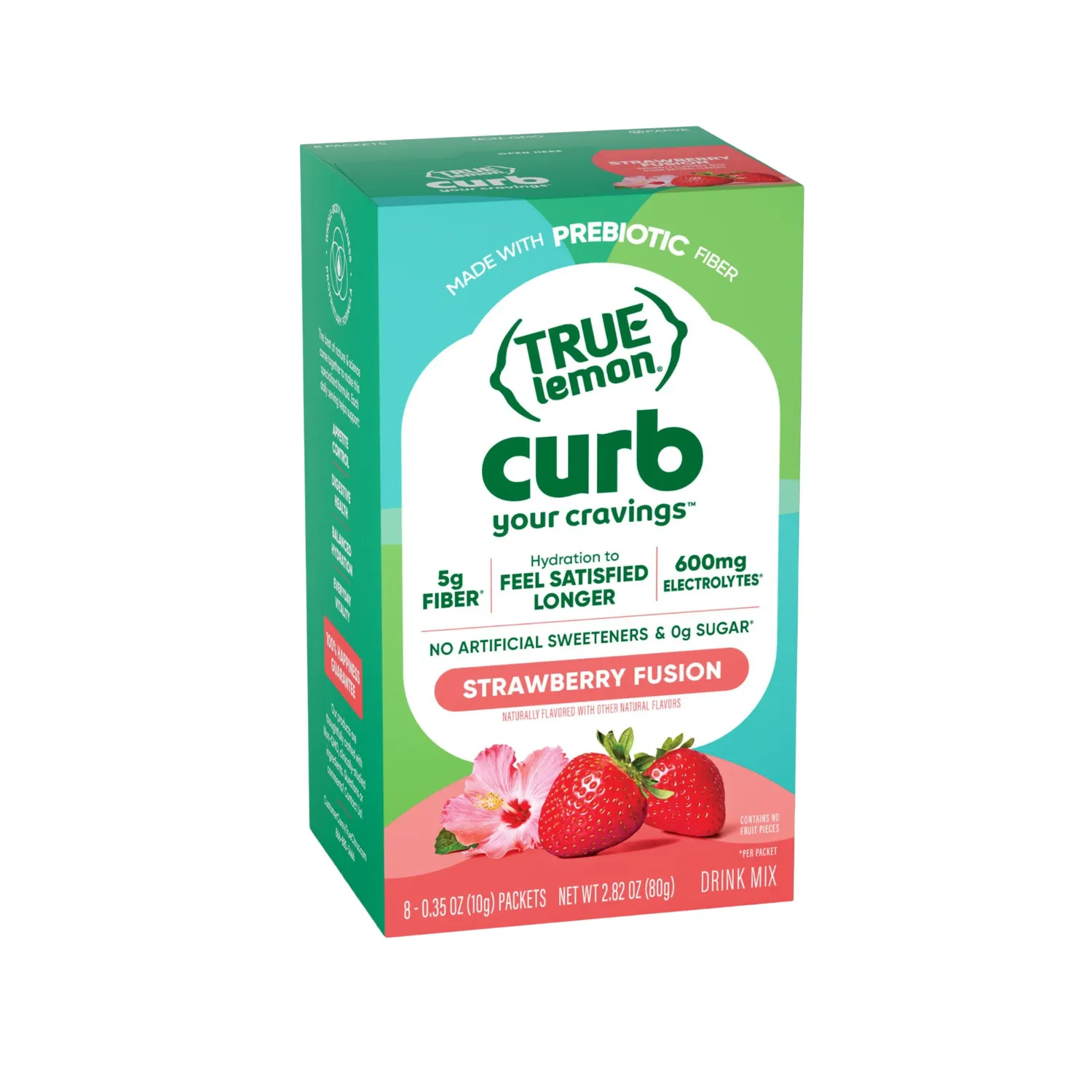
If the stretch between lunch and dinner tends to be where your best intentions fall apart, True Lemon Curb was built for exactly that moment. It's a functional drink mix made to support appetite control, gut health and balanced hydration with purposeful, non-GMO ingredients and no artificial sweeteners. Here's what makes it worth mixing into your routine:
- 5g Prebiotic Fiber: The centerpiece of the formula. Prebiotic fiber expands in water, creating volume in your gut that may help support feelings of fullness between meals. It also feeds good guy gut bacteria, supporting digestive health alongside satiety.
- 30mg Caffeine From Green Tea: A gentle, plant-based lift is added to help support ongoing energy during the times of day when snack cravings tend to peak.
- Metabolism And Antioxidant Support: Our proprietary Phyto True™ Curb Blend includes chlorogenic acid from green coffee bean extract to help support everyday metabolism, alongside antioxidants from green tea.
- 600mg Balanced Electrolytes: Sodium and potassium in the ideal ratio help support hydration at the cellular level, because a well-hydrated body is better equipped to manage hunger signals.
- Zero Sugar: With just 15 calories and 2 net carbs per packet, True Lemon Curb is compatible with keto, low-carb and Mediterranean diets alike. Plus, since it’s sweetened with Stevia, it’s free of artificial sweeteners.
- Three Crave-Worthy Flavors: Strawberry Fusion, Peach Fusion and Blueberry Fusion all treat your taste buds to a punchy pop of fruity flavor. They’re all equally thirst-quenching, but if you love variety, you can pick up the Variety Bundle for 8 servings of each. Best used between meals, mix one packet into 20–24 oz. of cold water and sip whenever cravings hit.
Whether you're trying to limit mindless snacking, support weight management goals or just make it to dinner without raiding the cabinet, True Lemon Curb gets you one step closer to staying fuller between meals, one crisp, refreshing sip at a time.
Protein-Rich Foods That Keep Hunger At Bay
Protein is your appetite's most reliable ally. It takes more energy to digest than carbohydrates or fat, supports satiety signaling and helps maintain muscle mass, all of which contribute to feeling fuller for longer (Moon & Koh, 2020).
Lean Meats And Fish
Chicken breast, turkey and fish are among the most efficient protein sources available. A typical 3-ounce serving of grilled chicken delivers around 26 grams of protein with minimal added fat, making it one of the more health-conscious high-protein options.
KNOW?
Protein and fiber are the two nutrients most linked to lasting fullness.
Foods rich in protein and fiber take longer to digest, helping you stay satisfied between meals. Pairing filling foods with hydrating drinks can also support appetite control, making it easier to avoid unnecessary snacking throughout the day.
Plant-Based Options
Lentils, chickpeas and quinoa offer the advantage of combining protein with fiber, which is a powerful pairing for fullness. A cup of cooked lentils provides around 18 grams of protein alongside 16 grams of fiber, making it one of the most satisfying foods per serving you can find.
Eggs And Greek Yogurt
Breakfast-friendly and quick to prepare, a large egg contains around 6 grams of protein, while Greek yogurt can give you upwards of 20 grams per cup depending on the brand. Better yet, both tend to digest slowly enough to carry you through a morning without the mid-morning snack spiral.
Fiber: The Nutrient That Keeps You Physically Full
Fiber works differently from protein. Instead of influencing hormones, it creates physical volume in your digestive system that signals fullness and slows digestion (Salleh et al., 2019). This extended digestive process might also help stabilize blood sugar, addressing the dips that usually trigger cravings (Salleh et al., 2019).
- Whole Grains: Oats, quinoa and brown rice provide sustained energy alongside their fiber content. Steel-cut oats in particular contain beta-glucan, a soluble fiber that forms a gel-like consistency in the digestive system, giving it unusually good staying power for a breakfast food.
- Chia Seeds And Legumes: Two tablespoons of chia seeds deliver around 10 grams of fiber, and they absorb water to create a texture that expands in the stomach. Meanwhile, black beans, kidney beans and split peas combine fiber with protein for a fullness effect that's hard to beat.
- Vegetables: Broccoli, Brussels sprouts and leafy greens add substantial volume to meals with relatively few calories. Eating a large volume of fiber-dense vegetables before or during a meal is typically considered one of the most helpful strategies for eating less overall without that heavy feeling that typically comes from overeating.

How To Stop Snacking Between Meals: Healthy Fats That Satisfy
Healthy fats slow stomach emptying and trigger satiety hormone release, often making meals feel more complete and longer-lasting (Little et al., 2007). The key is pairing them with the protein and fiber already discussed rather than relying on fat alone.
Avocados And Olive Oil
Half an avocado provides 5–7 grams of fiber alongside its monounsaturated fat content. On the other hand, olive oil, when used in cooking or as a salad dressing base, contributes to meal palatability and may support satiety as part of balanced eating patterns.
Nuts And Nut Butters
A small handful of almonds supplies protein, fiber and healthy fat in one portable package, serving as one of the better between-meal options when portioned appropriately. Pairing nut butter with an apple or celery adds fiber to the fat and protein, usually extending that perceived fullness further.
The Hydration Connection: How Water Affects Fullness
This is the part most satiety conversations skip, but it's genuinely important. Thirst and hunger sensations can overlap, and when your body is mildly dehydrated, it may send signals that feel like hunger even when food isn't what you actually need.
Drinking a glass of cool water before or during meals may contribute to a feeling of fullness by filling your stomach with liquid, and meeting your fluid intake goals throughout the day helps your body interpret those signals more accurately. Fiber, which requires water to do its job properly, is also notably more useful when you're getting enough liquids.
The challenge for most people isn't knowing they should drink more water. It's finding a way to make boring ol’ H2O appealing enough to actually finish throughout the day. If that's familiar, our article on how to stay hydrated without drinking water has tasty approaches worth trying, and our roundup of the best drinks for hydration covers a range of options that make daily fluid goals easier to hit.
- Support appetite control
- Helps Gut Health
- Weight management
- Optimized Hydration
- Zero Sugar Solution
How To Feel Full Longer: Accessible Methods
Knowing which nutrients support fullness is half the equation. The other half is building repeatable habits around them that fit into real life rather than requiring a complete routine overhaul. Here are a few strategies worth trying.
Build Meals Around All Three Nutrients
To start, meal that hits protein, fiber and healthy fat simultaneously will almost always outlast one that emphasizes only one. Grilled chicken over a grain bowl with avocado and roasted vegetables is the template. Greek yogurt with chia seeds and berries is the breakfast version. The specific foods matter less than making sure all three components are represented.
Time Your Water Intake Thoughtfully
Having a glass of water before meals and keeping something flavorful to sip throughout the day both support appetite management in unique ways. In particular, a citrus-forward drink that you can’t help but keep reaching for makes the between-meal hydration habit a whole lot easier to maintain. Our post on the top 20 reasons to reach for lemon water covers how even something that simple can make a meaningful daily difference.
Choose Snacks That Combine Protein And Fiber
If snacking is part of your day, make it intentional. Apple slices with almond butter, Greek yogurt with berries or hummus with vegetables all combine protein with fiber for snacks that tide you over rather than just extending the hunger cycle. For more ideas on what to sip alongside those snacks, our flavored water packets and low-sugar lemonade options make the hydration side of the equation feel like something you're consciously choosing rather than enduring.
Don't Overlook The Drink Side Of Appetite Management
What you drink between meals affects appetite just as much as what you eat during them. Satiety drinks, which are beverages formulated with fiber, gentle caffeine or other functional ingredients, are an increasingly popular tool for managing between-meal cravings without adding meaningless calories. If hunger suppressant drinks sound relevant to where you are in your wellness journey, our guide on drinks that suppress appetite is worth reading after this one.

Final Thoughts
Feeling full longer isn't about eating less. It's about eating smarter and staying well-hydrated. When you build meals and snacks around protein, fiber and healthy fats, and pair those choices with zestfully delicious beverages that you can’t get enough of, you create the ideal conditions for steady energy, fewer cravings and a routine that feels sustainable rather than restrictive.
Ultimately, the foods and drinks you come back to every day matter more than any single perfect meal. Happy hydration and mindful nutrition work together, so those small changes really do add up. Swap sugary drinks for lightly flavored water, add more vegetables to your plate and include protein at every meal. These easy strategies may help support your wellness goals, making healthier living feel effortless.
Frequently Asked Questions About Foods That Keep You Full
What are the best foods that keep you full longer?
The most popular options combine protein, fiber and healthy fat. Lentils, eggs, Greek yogurt, avocados, nuts, whole grains and vegetables are all strong choices, ideally mixed together in meals rather than eaten in isolation.
Why does protein help you stay satisfied?
Protein takes longer to digest than carbohydrates and may support satiety hormone signaling, helping keep hunger at bay between meals.
How does fiber support fullness?
Fiber creates physical volume in the digestive system and slows digestion, both of which tend to extend the time before hunger signals return.
Does drinking water help with staying full between meals?
Thirst and hunger sensations can overlap, and staying well-hydrated may help your body distinguish between the two more accurately. Drinking water before meals might also contribute to a feeling of fullness because you’re filling your stomach with liquid.
What should I drink between meals to help with cravings?
Plain water is the baseline, and making it satisfying enough to let it take the starring role as your go-to beverage is the most practical goal. For instance, low-calorie functional drink mixes with fiber like True Lemon Curb can help support between-meal appetite management while also contributing to daily hydration.
Are healthy fats filling foods that keep you full?
Yes. Fats help slow stomach emptying and trigger satiety hormones, contributing to a more lasting feeling of fullness, particularly when combined with protein and fiber in the same meal.
Sources:
- Moon, J., & Koh, G. (2020). Clinical Evidence and Mechanisms of High-Protein Diet-Induced Weight Loss. Journal of obesity & metabolic syndrome, 29(3), 166–173. https://doi.org/10.7570/jomes20028
- Salleh, S. N., Fairus, A. A. H., Zahary, M. N., Bhaskar Raj, N., & Mhd Jalil, A. M. (2019). Unravelling the Effects of Soluble Dietary Fibre Supplementation on Energy Intake and Perceived Satiety in Healthy Adults: Evidence from Systematic Review and Meta-Analysis of Randomised-Controlled Trials. Foods (Basel, Switzerland), 8(1), 15. https://doi.org/10.3390/foods8010015
- Little, T. J., Horowitz, M., & Feinle-Bisset, C. (2007). Modulation by high-fat diets of gastrointestinal function and hormones associated with the regulation of energy intake: implications for the pathophysiology of obesity. The American journal of clinical nutrition, 86(3), 531–541. https://doi.org/10.1093/ajcn/86.3.531
Top Sellers


True Lemon

True Lime Watermelon Limeade

True Lime Black Cherry Limeade

True Lemon Energy Strawberry Dragonfruit
