
Key Takeaways
- Sugar Content Is The Game-Changer: Traditional lemonade can pack as much sugar as soda, but low-sugar and zero-calorie options let you enjoy zingy flavor without compromising wellness goals.
- Store-Bought vs. Homemade Showdown: Store-bought versions often contain various additives and sweeteners, while alternatives made with simple, non-GMO ingredients support happier hydration.
- Hydration Gets Easier When Water Tastes Good: Adding citrus flavor to water makes drinking enough throughout the day feel more like a refreshing treat.
Is lemonade good for you? Honestly, it depends entirely on what's in your glass. A traditional lemonade loaded with sugar isn’t exactly a wellness win. But a low-sugar or zero-calorie version made with juicy citrus flavor and recognizable ingredients is a whole other story.
At True Citrus, we've been helping people drink more water deliciously for years. Our lemonades and limeades are made from simple, non-GMO ingredients with no artificial sweeteners, because we believe hydration should feel good and taste amazing. We've seen firsthand how the right lemonade can transform someone's relationship with water in the best way possible. And with our handy drink mixes, you can stir up a refreshing sip in seconds.
In this piece, we're breaking down what makes some lemonades healthier than others, from sugar content and sweetener types to the hydration perks that make citrus-infused water worth reaching for.

Product Spotlight: Lemonade That Loves You Back
Why settle for a sugar bomb when you can have the real thing, but a whole lot lighter? True Lemon's lemonade drink mixes turn a plain glass of water into something that tastes like peak summer without the sugar spiral. All it takes is one stick packet plus 16 oz. of water to mentally transport you poolside with a cool glass of tart-sweet happiness. Here's why our drink mixes have earned a permanent spot in so many family pantries:
- Citrus-Forward Flavor With 10 Calories: We believe in keeping ingredients transparent and recognizable. Made with simple, non-GMO ingredients, each packet delivers a crisp, bright lemonade taste with just 1g of sugar and no artificial sweeteners. It’s sweetened with stevia and a touch of sugar, just the way it should be.
- 50% Daily Vitamin C: Every True Lemon lemonade packet gives you half your daily Vitamin C, which means your water is doing more than you think with every sip.
- Nine Crave-Worthy Flavors: A diverse lineup of Original Lemonade, Strawberry Lemonade, Raspberry Lemonade, Peach Lemonade, Passionfruit Lemonade, Triple Citrus Lemonade, Lemon Lime Lemonade, Mango Lemonade and Wildberry Lemonade give you enough variety to keep the rotation fresh all week. And if you've ever wondered, "Is strawberry lemonade good for you?” Our Strawberry Lemonade is a genuinely better-for-you answer to that question, giving you all the sweet-tart flavor of the classic, with a fraction of the sugar you'd find in a traditional version.
- Convenient And Portable: True Citrus drink mixes offer convenience without compromise. Tuck a few sticks into your bag, your desk drawer or your gym bag for an instant lemonade fix wherever the day takes you. Just tear open a packet, add water and savor a burst of punchy citrus-forward flavor anywhere. No squeezing required.
A True Lemon packet in your water bottle takes about three seconds and changes the entire experience. Want more citrus in your life? Our full lemonades and limeades lineup has something for every kind of sipper. Every single one is zestfully delicious and impossible not to love.
Is Lemonade Healthy? Let’s Start With The Label
Long story short, lemonade can be relatively healthy if you're mindful about what goes into it. Traditional lemonade recipes call for equal parts lemon juice and sugar, meaning an 8-ounce glass typically contains 20–34 grams of added sugar. That's close to an entire day's worth of the recommended limit for women in a single serving!
KNOW?
Not all lemonade is created equal.
The health impact of lemonade depends largely on its ingredients, portion size, and how much sugar is in every glass.
Traditional Lemonade vs. Better Alternatives
Overall, the health aspect of lemonade typically comes down to two main factors: the quality of the ingredients and the amount of sweetness. For instance, lemonade created with freshly squeezed juice may contribute Vitamin C and antioxidant compounds, but those benefits get overshadowed when excessive sugar is part of the equation (Park et al., 2021).
In fact, traditional lemonade typically has limited nutritional value given its additional ingredients. While undeniably delicious, it can add a ton of sugar to your system, especially when you gulp it down in large servings. Better alternatives focus on maximizing flavor while minimizing sucrose, typically containing only 10 calories and a few grams of sugar per serving. And if you've ever searched, "Is pink lemonade good for you?" The answer largely depends on the same factors: how much sugar is in the formula and whether the ingredients are ones you'd readily recognize on the label. Thankfully, a lower-sugar version of almost any lemonade style is possible; you just have to know what to look for.
Homemade vs. Store-Bought Lemonade
Is homemade lemonade good for you? Well, homemade lemonade gives you complete control over ingredients, allowing you to adjust sweetness levels and avoid additives. The downside is that it requires time, fresh lemons and some planning ahead, which a lot of parents don’t have the luxury of. There’s also the potential to get a little too heavy handed with the sugar jar while measuring, which might drive up the sucrose content more than you were expecting.
Meanwhile, store-bought lemonades vary widely in quality. Some contain high-fructose corn syrup, preservatives, color additives or high amounts of added sugar. That said, when choosing store-bought options, check ingredient and nutrition labels, as formulations vary by brand.

Understanding Sugar Content In Lemonade
Sugar is where most lemonades go wrong. Knowing how much sugar you're consuming and where it comes from makes all the difference in whether your lemonade supports or sabotages your diet goals.
How Much Sugar Is Too Much?
The American Heart Association recommends limiting added sugars to 25 grams daily for women and 36 grams for men. A typical glass of traditional lemonade contains 20–34 grams, meaning you've nearly maxed out your daily limit with one drink. The good news is that choosing lemonades with 5 grams of sugar or less per serving, or even zero-calorie options, lets you enjoy thirst-quenching citrus refreshment with fewer consequences.
The Artificial Sweeteners Debate
High-purity stevia-derived sweeteners and monk fruit extracts provide sweetness with little or no calories. Then you have popular artificial FDA-approved high-intensity sweeteners like aspartame and sucralose, which are technically safe when used within established limits, but some people still prefer to avoid them. But if you’re trying to avoid sweeteners altogether, our guide on how to make lemon water is a great read that shows you how to whip up a satisfying sip without any lingering sugary guilt.
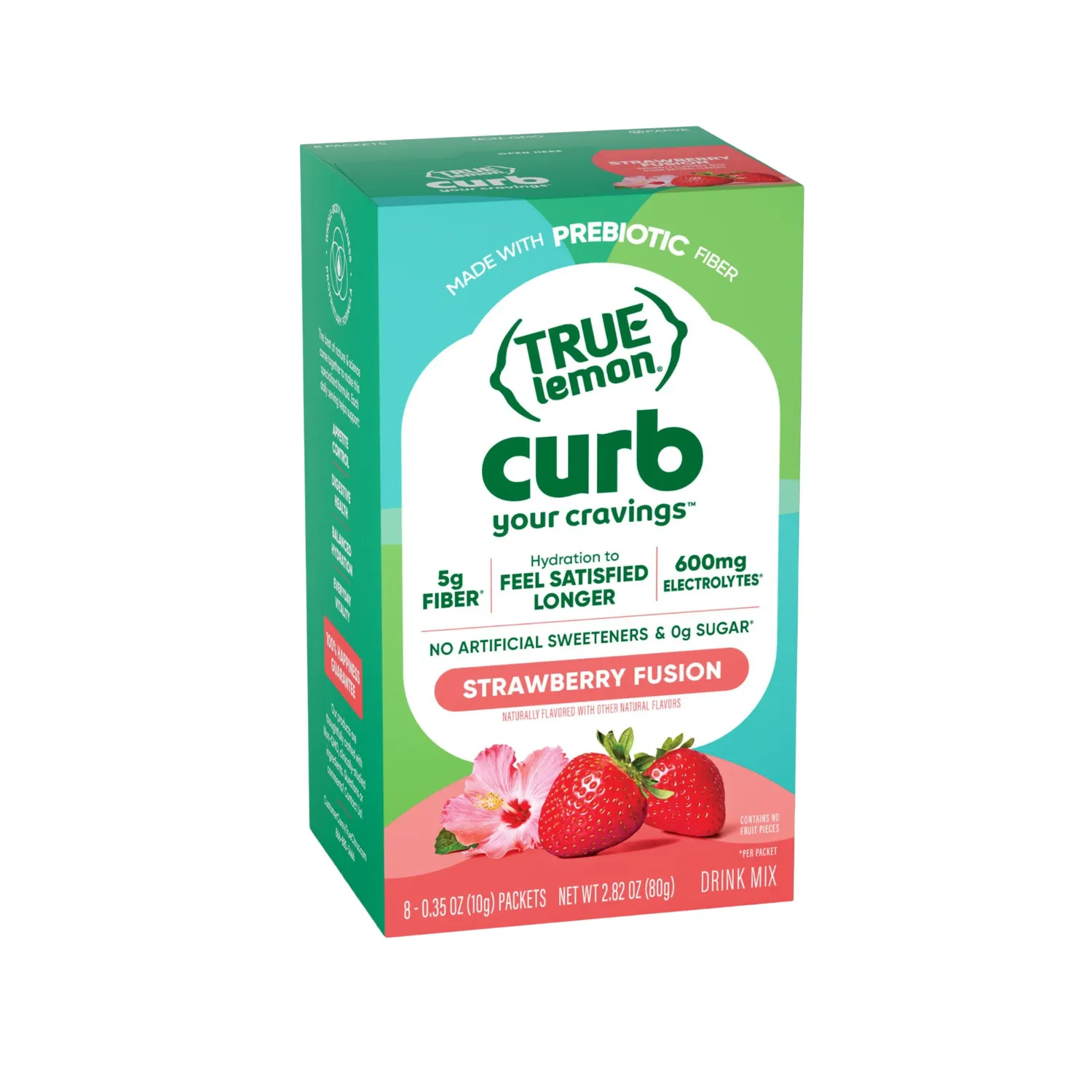
- Support appetite control
- Helps Gut Health
- Weight management
- Optimized Hydration
- Zero Sugar Solution
The Hydration Benefits Of Lemonade
Plain water is the gold standard for hydration, and it’s pretty important. After all, maintaining adequate fluid levels helps support mood, energy and cognitive performance, while dehydration can impair these functions (Popkin et al., 2010). But let's be honest, regular H2O is also the easiest thing to ignore. That half-full water bottle sitting on your desk all afternoon isn't a willpower problem. It's a flavor problem. When water tastes like nothing, it competes with everything else in your fridge and usually loses.
Although water needs vary widely by individual factors like age, activity level and climate, many people don’t drink as much plain water as they should. That's the simple logic behind flavored water: when your drink tastes bright, crisp and refreshing, you finish it. And after you crush one tasty glass, you pour another one. Before long, you've hit your hydration goals without a single reminder, a single negotiation with yourself or a single sad sip of ordinary water you didn't want. So, if you’re one of many people who constantly wonder about how to stay hydrated without drinking water, when made right, lemonade can become a powerful hydration tool that keeps your fluid levels up all day.
Curious about how sugar interacts with your hydration? Our deep dive on does sugar dehydrate you is worth a read, as the relationship between sugar and fluid balance is a little more nuanced than most people expect.

Final Thoughts
So, is lemonade good for you? The answer isn't black and white. Rather, it largely depends on what you're drinking. Traditional lemonade loaded with sugar won't do your health any favors, but low-sugar and zero-calorie options made with the freshly squeezed taste of citrus can absolutely help support your wellness goals while making hydration something you actually look forward to.
At True Citrus, we believe staying hydrated shouldn't require sacrifice or bland beverages. With simple, non-GMO ingredients and no artificial sweeteners, our drink mixes prove that you can have it all: incredible taste, better-for-you ingredients and the kind of smile-worthy refreshment that makes drinking more water feel less like a chore and more like a celebration.
Frequently Asked Questions About Is Lemonade Good For You
Is lemonade good for you?
It all comes down to the ingredient list. Lemonade can be good for you if it's made with minimal sugar and simple, non-GMO ingredients.
What's the difference between traditional lemonade and better alternatives?
Traditional lemonade may contain 20–34 grams of sugar per serving, while better alternatives tend to use much less. There are also zero or low-calorie options that give you the zesty zing you love without excessive sweetness.
How much sugar is too much sugar in lemonade?
Aim for lemonades with 5 grams of sugar or less per serving, as exceeding the daily recommended limit of 25 grams for women or 36 grams for men might negatively impact health.
Are there low-sugar or zero-sugar lemonade options available?
Yes, brands like True Citrus offer lightly sweetened lemonade drink mixes with only 10 calories and 1 gram of sugar per serving.
What ingredients should I look for when choosing store-bought lemonade?
Look for products made with non-GMO ingredients and minimal added sugar. Check nutrition and ingredient labels as formulations vary by brand.
What's the difference between homemade and store-bought lemonade?
Homemade lemonade gives you full control over ingredients but requires time and fresh lemons, while quality store-bought drink mix options like True Citrus Lemonades & Limeades offer convenience with simple, non-GMO ingredients.
How can I make lemonade part of my daily wellness routine?
Choose low-sugar or zero-calorie lemonade options and use them to flavor your water throughout the day, making regular hydration easier and more enjoyable.
Sources:
- Park, Y. S., Kim, I. D., Dhungana, S. K., Park, E. J., Park, J. J., Kim, J. H., & Shin, D. H. (2021). Quality Characteristics and Antioxidant Potential of Lemon (Citrus limon Burm. f.) Seed Oil Extracted by Different Methods. Frontiers in nutrition, 8, 644406. https://doi.org/10.3389/fnut.2021.644406
- Popkin, B. M., D'Anci, K. E., & Rosenberg, I. H. (2010). Water, hydration, and health. Nutrition reviews, 68(8), 439–458. https://doi.org/10.1111/j.1753-4887.2010.00304.x
Top Sellers


True Lemon

True Lime Watermelon Limeade

True Lime Black Cherry Limeade

True Lemon Energy Strawberry Dragonfruit
