Best Fiber Supplements For Weight Loss: Expert-Reviewed Picks
At True Citrus, we believe the happy habits that stick around are the ones that fit into real life without friction. That being said, the best fiber supplement for weight loss isn't about finding something extreme. It's about locking in on a product you'll enjoy using every single day.


True Lemon Curb Strawberry Fusion

True Lemon Curb Wellness Bundle

True Lemon Curb Blueberry Fusion

True Lemon Curb Peach Fusion
4 products
Check out our Blog

Not sure what to drink during your fasting window? This intermittent fasting drink guide covers everything from coffee to electrolytes.
Learn More
Learn all about potential ellagic acid benefits for immune health. True Citrus shares how this antioxidant works in your body.
Learn More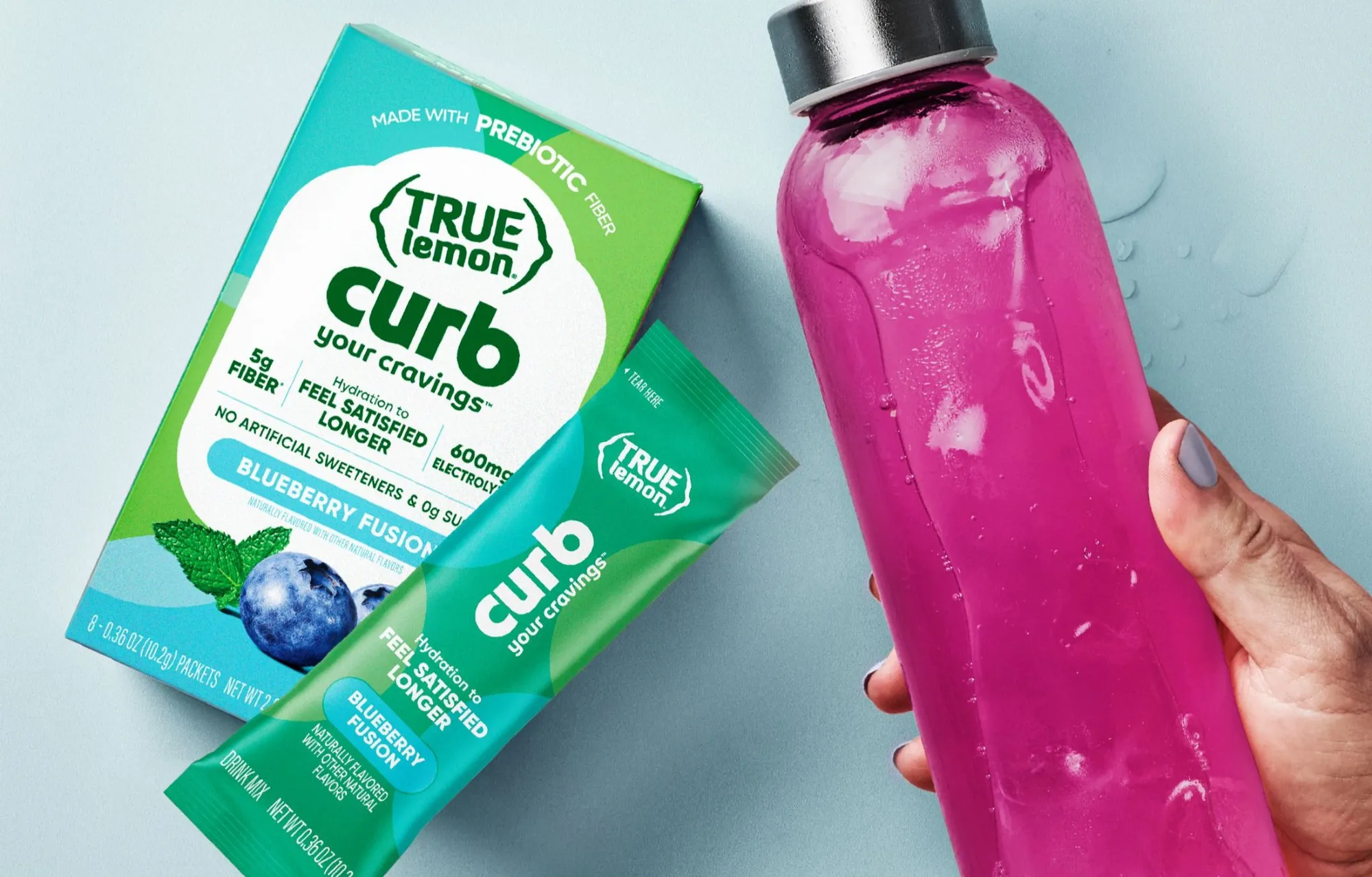
Can you drink on GLP-1 medications? Learn the risks, side effects and better hydration alternatives.
Learn MoreHow Fiber For Weight Loss Works
Most people think of fiber as a digestive thing. However, the role of your appetite is just as important, and knowing how it works changes the way you think about fiber for weight loss entirely.
The Fullness Effect Of Soluble Fiber
Soluble fiber absorbs water and forms a gel-like substance as it moves through your digestive tract. That gel slows the rate at which your stomach empties, which means food stays with you longer and hunger signals return more slowly. It's a shift that plays out across the day, and you may notice fewer urgent cravings, less grumbling between meals and a more sustainable relationship with portion sizes over time.
How Slowed Digestion Changes The Way You Eat
When digestion moves at a more deliberate pace, your body has more time to register fullness before you've already overeaten. A lot of overeating happens in the gap between finishing a meal and receiving the signal that you've had enough. Fiber narrows that gap. It might also help support more stable blood sugar by slowing glucose absorption, which may lessen the spikes and crashes that tend to drive snack cravings in the first place.
Why Hydration Is Part Of The Fiber Equation
Fiber without water is a problem. Soluble fiber needs adequate fluid to work the way it's supposed to and move comfortably through your digestive system. If plain H2O feels way too bland to keep sipping, our guide on how to stay hydrated without drinking water covers deliciously zesty ways to hit your daily hydration goals without forcing it.
Where A Fiber Supplement Drink Fits In
Whole food sources of fiber are great, but most people fall short of the recommended daily intake through diet alone. A fiber supplement drink bridges that gap in a format that fits into busy routines with no need for cooking, prepping or meal planning. Just mix your favorite flavored water packets into your water bottle and the habit practically takes care of itself!
The Best Fiber Drink For Weight Loss
Looking for appetite support and happy hydration in the same packet? Look no further than True Lemon Curb. The proof is in the details. A third-party, independent home use test with 400 participants found that 82% felt fuller and 76% reported curbed cravings, with an overwhelming majority recommending True Lemon Curb to feel satisfied for longer.
What’s In Every Sip
The magic starts with the ingredients. Each serving supplies 5 grams of prebiotic fiber that expands in water to help support fullness between meals, alongside a purposeful, non-GMO formula that includes chlorogenic acid from green coffee bean extract to support everyday metabolism, 30mg of caffeine from green tea for steady energy without the jitters, 600mg of balanced electrolytes to support cellular hydration and 100% of your daily Vitamin C.
Three Delicious Flavors, Zero Compromises
It comes in three mouthwatering fruity flavors: Blueberry Fusion, Peach Fusion and Strawberry Fusion. Alternatively, you can pick up a Variety Bundle to try ‘em all. With zero grams of sugar, no artificial sweeteners, 15 calories and 2 net carbs per serving, it’s perfect for virtually any diet, including keto. However, keep in mind that it’s sweetened with Stevia so if you're sensitive, a smaller pack of 8 is a smart place to start. It’s best used between meals or whenever cravings hit, and all you have to do is mix one packet into 20–24 oz. of cold water for a crisp, refreshing sip that keeps your appetite in check.
Reading The Label Before You Buy A Prebiotic Fiber Supplement
Front-of-package claims are easy to make. The ingredient list is where a supplement either earns trust or loses it. Here's what to look for.
The Fiber Source Should Be Named
Psyllium husk, acacia fiber, inulin, partially hydrolyzed guar gum and chicory root are all legitimate fiber sources with research behind them. A label that lists "dietary fiber" or "prebiotic blend" without naming the source doesn't give you enough information. Knowing the fiber type tells you how it works, how gentle it will be on your system and what kind of results to realistically expect.
Serving Size And Fiber Dose Need To Line Up
Some supplements look impressive on the front label until you realize the serving size is three times what anyone would normally take. Check the fiber gram count per single serving as written. A fiber supplement drink that delivers 5 grams per serving is often more practical than one that requires four large capsules to reach the same amount.
Watch For Added Sugars And Sweeteners
Weight support and added sugar are working against each other. Look for zero sugar or a clearly identified low-calorie sweetener like Stevia. When it comes to sugar alcohols like sorbitol and maltitol, it’s better to play on the safe side, since they may lead to digestive discomfort in larger amounts and show up in more fiber products than people expect. The key benefits of lemon water point to something useful here: tart and fresh flavor doesn’t need a sugar overload to taste good enough to reach for another glass.
Watch For Unnecessary Fillers
Maltodextrin, artificial colors and synthetic binders show up in more fiber supplements than they should. None of these adds functional value. A purposeful, transparent ingredient list is almost always a better sign than one filled with mystery proprietary blends, regardless of how pretty the front of the package is.
Fiber Works Better With These Daily Habits
A fiber supplement does its best work inside a routine that supports it. These habits make a real impact on how effective your supplement becomes.
- Keep Drinking Water: Fiber needs fluid to move properly through your system and create that perceived effect of a full stomach. If you're not hitting your daily intake, keep a water bottle nearby and sip throughout the day rather than trying to catch up all at once.
- Take It At The Same Time Each Day: Consistency in timing helps your gut adapt and makes the habit easier to maintain. Pair it with something you already do, such as a morning coffee or an afternoon break, and suddenly it stops feeling like a task and more like an automatic instinct.
- Pair Fiber With Protein-Rich Meals: Fiber and protein together tend to create more sustained satiety than either does on its own. Think eggs at breakfast, Greek yogurt at lunch or a handful of nuts alongside your afternoon packet.
- Give Your Gut Time To Adjust: Starting with one serving and then building gradually from there keeps the transition comfortable.
- Make Hydration Enjoyable: The best drinks for hydration turn regular drinking water into a zingy treat you end up craving. To mix it up between meals, you could add a low-sugar lemonade to your rotation for another feel-good beverage option that keeps calories in check without sacrificing flavor.
What The First Month Of Supplementation Might Look Like
Knowing what to expect in the first four weeks makes it easier to keep going, even when things feel slow.
Week One: Your Gut Is Adjusting, Not Protesting
The first week is the adjustment window. If you experience mild bloating or a change in bathroom frequency, that's your gut responding to a new food source. This tends to be normal and temporary. Starting with one serving per day rather than jumping straight to the maximum dose tends to make this window shorter and more comfortable. Above all else, staying well hydrated is the single most important thing you can do in week one.
Weeks Two And Three: The Pattern Starts To Settle
By the second week, most people notice the adjustment symptoms fading. This is also when the satiety effects become more consistent. You may notice less urgency around snack time, a fuller feeling that carries further past meals and a more predictable digestive rhythm. These aren't dramatic shifts. They're subtle and cumulative, which is exactly how lasting change tends to work.
Week Four: Results Worth Paying Attention To
A full month of sustained fiber intake is where the investment starts to show more clearly. Appetite patterns typically feel more predictable, digestive regularity has likely improved and the habit itself has had enough time to settle into your busy schedule. A convenient and portable packet like True Lemon Curb makes keeping that habit going feel easy rather than obligatory.
Beyond Month One
Fiber supplementation is a long game. The best fiber supplement for weight loss works best as a regular daily habit layered into a broader routine that includes adequate hydration and balanced meals. That being said, month one builds the foundation. Everything after that tends to compound on top of it.
Frequently Asked Questions About The Best Fiber Supplement For Weight Loss
Fiber supplements may support weight management by slowing digestion, promoting fullness and reducing between-meal cravings. They work best as part of a consistent daily routine alongside balanced meals and adequate hydration, not as a standalone solution.
The best option has a clearly named fiber source, a meaningful dose of at least 3 to 5 grams per serving, no artificial sweeteners and a format you'll realistically use every day. True Lemon Curb checks all of those boxes and doubles as a tasty daily hydration habit.
Most people notice changes in appetite and digestion within two to four weeks of consistent daily use. The first week often involves an adjustment period, so starting with one serving and building gradually keeps the process comfortable.
Prebiotic fiber feeds the beneficial bacteria in your gut rather than being directly digested by your body. That fermentation process may help support the processes that signal fullness, which is part of why prebiotic fiber tends to show up in many weight-support formulas.
It depends on the formula, but generally, yes. Fiber supplements are designed for daily use and work best when taken consistently. Your digestive system responds to patterns, and regular intake is what produces the most noteworthy results over time.
No, this depends on the formula of the product you’ve chosen. For example, True Lemon Curb contains zero sugar and is sweetened with Stevia instead of an artificial sweetener. If you're sensitive to Stevia, it’s smart to start with a smaller 8-count box in your preferred flavor before committing to a larger size.
