
Key Takeaways
- What Bioavailability Is: Bioavailability refers to how much of a nutrient your body absorbs and uses, influencing everything from energy levels to hydration and overall wellness.
- What Affects Absorption: Hydration, food pairings and cooking methods can all enhance or limit how well your body absorbs nutrients.
- Why It Matters: Understanding and optimizing bioavailability helps you make more nourishing choices.
When you’re sipping on an ice-cold beverage or chowing down on a tasty salad, have you ever wondered how much of that blissful goodness your body is putting to use? That’s what bioavailability is all about! But before your eyes glaze over from the scientific jargon, it’s reassuring to know that the core concept is super simple. So, what is bioavailability? It’s all about how much of what you eat and drink your body can absorb and utilize to help you feel your best.
Basically, bioavailability in nutrition influences everything from how energized you feel after a meal to how well you stay hydrated throughout the day. Think of your body like a sponge. Some things soak in easily so you can make better use of the nourishment you’re consuming, while others slip through depending on factors like food combos and even how a dish is prepared.
At True Citrus, we love making hydration a refreshingly effortless part of your day that you genuinely look forward to. Adding a delicious, citrus-forward drink mix doesn’t just add sunshine to each sip. When you drink more fluids, your body gets the liquids it needs to perform other essential functions.
Ready to define bioavailability in a way that feels approachable? Let’s break it down.

Bioavailability Meaning: Going Over The Basics
Bioavailability may sound like a technical term, but it simply refers to how much of a substance your body can absorb and put to use after you eat or drink it. Even if you’re loading your plate with colorful veggies or sipping on the best drinks for hydration, not everything automatically makes it into your bloodstream. Your body absorbs certain foods with ease, while others need the right conditions to be used effectively.
Why The Bioavailability Of Nutrients Matters
Understanding bioavailability helps you get more value from the healthy habits you already have. Nutrients only support your energy and overall wellness after they’re absorbed, not just because they’re present in your meal. When bioavailability is high, your body uses more of what you consume. When it’s low, vitamins and minerals may pass through your system without offering their full potential. With just a few mindful tweaks, you can help maximize what your meals and refreshments provide.
How Your Body Absorbs Nutrients
Different vitamins follow different rules. Water-soluble vitamins, such as Vitamin C and the B-vitamin family, dissolve in water and are readily absorbed. Meanwhile, fat-soluble vitamins like A, D, E and K need a little dietary fat to travel through the body. In other words, they need a buddy system to guide them along.
Putting It All Together
Bioavailability shapes how much you get from every gulp and bite. With mindful choices and a hydration routine you genuinely enjoy, you can make decisions that help your body soak up all the goodness it can. It’s a simple, approachable way to keep your wellness habits working smarter for you, not harder.
KNOW?
Bioavailability affects how much of a nutrient your body actually absorbs.
Things like digestion, nutrient form, and food pairings can boost or limit how much nourishment you really get.
Product Spotlight: Simple Ways To Sip More Throughout The Day
Hydration plays a surprisingly big role in bioavailability. Water acts like a carrier, helping vitamins and minerals dissolve and move through your digestive system. When you’re well-hydrated, your gut can break nutrients down smoothly so they can hop the express lane from your intestines into your bloodstream. But if you’re running low on fluids, processes get a little sluggish. It’s basically like trying to mix batter without enough liquid; it’s lumpy and not very cooperative, right? That’s your body when it’s dehydrated. Not enough H2O means you have a tougher time absorbing all the goodness from your meals.
Low-Calorie Sunshine In A Glass For Happy Hydration
If the thought of chugging plain water doesn’t sound appealing, we have some great news. If you’re wondering how to stay hydrated without drinking water, using flavored water packets or low-sugar lemonade powder made with simple, non-GMO ingredients lets you whip up a quick, convenient drink anywhere, anytime. All you have to do is sprinkle a stick into 16 ounces of plain water, and boom! You have a citrus-forward burst of joy for your taste buds right in your hand. With a variety of universally loved flavors to choose from, including True Lemon Original Lemonade and True Lime Original Limeade, there’s something for everyone. And every time you reach for a bright, refreshing gulp, you’re supporting bioavailability by helping your body maintain the hydration it needs.
True Lemon Crystallized Wedges: A Citrus Boost Without The Sugar
If you want to experience the benefits of lemon water but don’t love the chopping, squeezing or sticky fingers, True Lemon crystallized wedges have the flavor department covered. Whether you’re sipping, cooking or just craving that citrus kick, they give you all the freshly squeezed taste you love with none of the mess. They contain no artificial sweeteners, zero calories and zero sodium for juicy lemony bliss that’s endlessly versatile. You can use it in everything from water and tea to cocktails, recipes, seasonings and more. When staying hydrated tastes this zesty, it becomes a happy habit your body can count on.

Bioavailability vs. Absorption: Key Differences
Bioavailability and absorption may sound like twins, but they play two distinct roles.
Absorption: The First Step
Imagine you’ve just savored a satisfying snack. Absorption is your body’s ability to take those vitamins and minerals out of your food and move them into your system, like giving each nutrient a VIP pass past the velvet rope. This step determines how much enters your circulation after digestion.
Bioavailability: The Whole Journey
Bioavailability looks at the entire trip from plate to cell. Just because a nutrient gets absorbed doesn’t guarantee it reaches your cells in its most active, beneficial form. Some nutrients get broken down, altered or don’t make it to their final destination. Think of it as a road trip: absorption gets the nutrient into the car (your bloodstream), but bioavailability determines whether it makes it all the way to the finish line.
Why This Difference Matters
This is why two foods can contain the exact same amount of a vitamin on paper, yet your body might use far more from one than the other. The full bioavailability path from ingestion to action is what determines what your body can put to work. Recognizing this distinction helps you make more informed food and hydration choices, so the nutrients you’re consuming show up ready to support your daily energy and overall wellness.
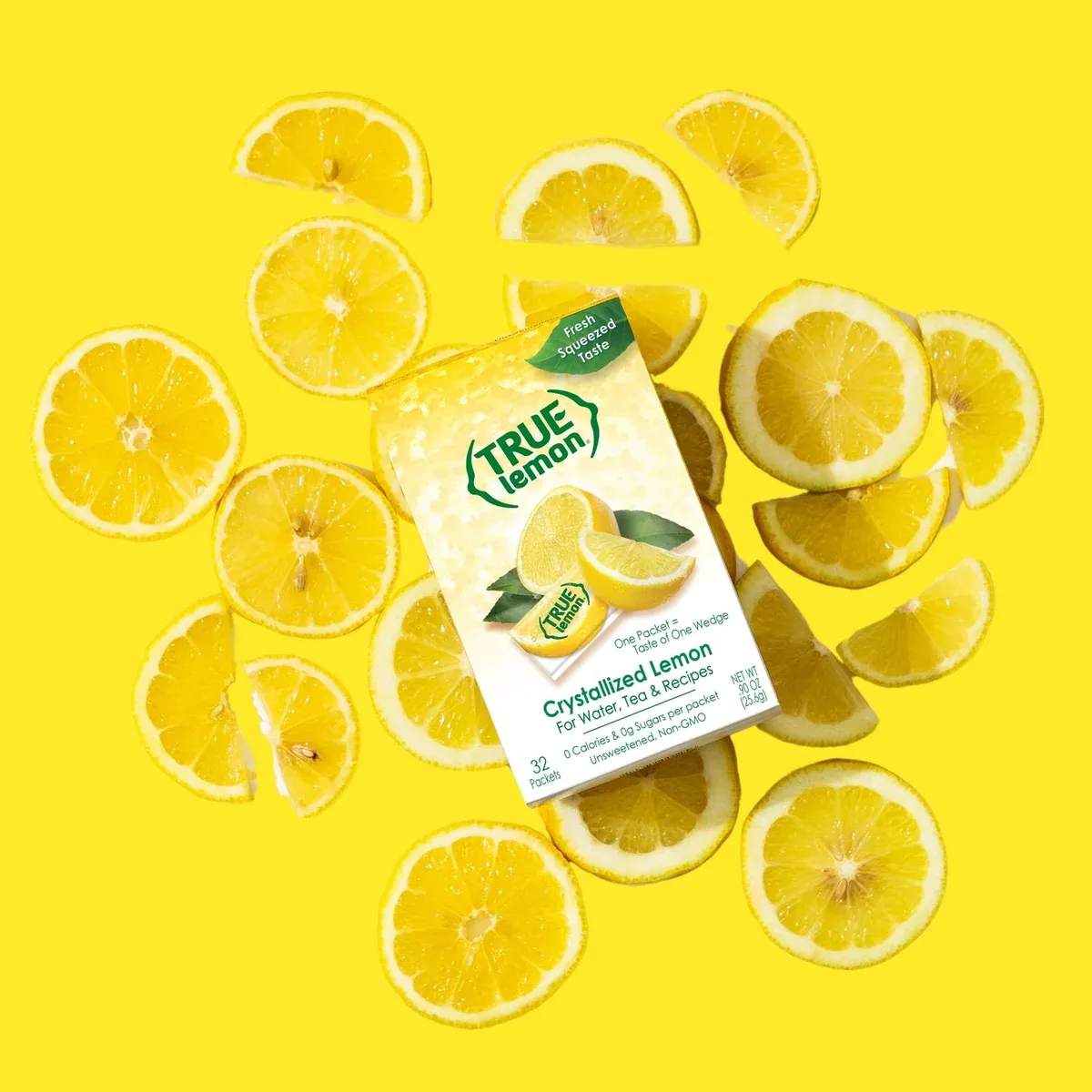
- Made with simple, Non-GMO ingredients
- NO artificial sweeteners
- 0 calories, 0 sugar, 0 sodium
- Small batch quality you can taste in every sip
- Endless uses
Factors That Boost Or Block Nutrient Uptake
Some days, your body seems to soak up every drop of nourishment from your food like a pro. Other days… not so much. That’s where nutrient uptake comes in: a process influenced by a mix of boosters and blockers. With a little know-how, you can make choices that help your meals and drinks work more efficiently for you.
Helpers: The Nutrient Sidekicks
Your body has a few allies that help nutrients absorb more easily. With small tweaks to how you prep and pair your food, you can give those vitamins and minerals an extra boost:
- Pairing The Right Foods: Some nutrients are best friends. Take Vitamin C and iron, for example. Vitamin C helps your body ingest iron more efficiently. Think spinach with a squeeze of lemon or veggies alongside a citrus-forward drink for a combo that’s simple and supportive.
- Healthy Fats For Good Absorption: Fat-soluble vitamins are soaked up more effectively with the help of healthy fats. A drizzle of olive oil on roasted asparagus or a sprinkle of nuts on a salad helps these nutrients move through the body more smoothly.
- Gentle Cooking Techniques: Light steaming or sautéing can make certain veggies easier for your body to access. Too much heat might zap some of the vitamins, but a little warmth helps break down plant fibers and unlock more of the good stuff.
Hindrances: The Uptake Villains
Just like some habits help nutrients absorb more easily, others can unintentionally make it harder for your body to use what you eat. Being aware of these factors can help you adjust without overthinking your meals.
- Overdoing The Fiber: Fiber generally keeps things moving and grooving in your gut, but a mega-dose during a single meal can sweep some nutrients away before your body has a chance to snag them.
- Caffeine Clash: That cuppa joe or strong black tea may make you feel supercharged, but caffeine in large amounts can make it harder for your body to hold on to certain minerals like calcium. This doesn’t mean skipping your favorite brew, just balancing it with hydration and nutrient-rich choices throughout the day.
Every bite is a chance to strengthen the helpers and outsmart the blockers. Combining foods thoughtfully and knowing what ramps up or slows down absorption can turn everyday meals into easy wins. It's all about eating with intention and giving your body more of what helps you feel happy and healthy!

Final Thoughts
In short, bioavailability is your body’s way of saying, “Hey, I want to make the most out of every good thing I put in.” Once you understand what bioavailability is, it becomes clear that nutrition isn’t only about what’s in your meal or beverage. It’s about how effectively your body can put those vitamins and minerals to work in your daily life.
At True Citrus, we focus on making hydration a breeze, so your healthy habits don’t stop at your water bottle. If the punchy taste of freshly squeezed flavor encourages you to drink more throughout the day, you’re giving your internal processes the hydration they need so your body can make the most of the nutrients you eat. After all, getting enough fluids helps your body function at its best.
So the next time you fill up your glass, know you’re doing something simple and supportive for your well-being.
Read Also:
- How To Increase Body Water Percentage: Helpful Hydration Tips & Tricks
- Does Water Help Digestion?
- How True Citrus Helps You Kick Your Soda Habit For Good
Frequently Asked Questions About What Bioavailability Is
Why is bioavailability important in nutrition?
Bioavailability helps explain how much of the nutrients in your food actually make it into your bloodstream and become available for your body to use. Higher bioavailability typically equals more perks from every bite or sip. It’s not just about choosing healthy foods; it’s about how effectively your body can access their benefits.
What factors influence bioavailability?
A variety of factors shape how well your body absorbs nutrients. This includes the type of nutrient, how your food is prepared, the foods you pair together and your individual digestive health. Hydration plays a role, too. When you’re well-hydrated, your digestive system can break down and transport nutrients more efficiently. Adding a tasty True Citrus drink mix to your water is an easy way to motivate you to keep sipping throughout the day.
Are all nutrients equally bioavailable?
Not quite! Different nutrients vary in how readily your body can absorb them. Water-soluble nutrients like Vitamin C tend to be absorbed easily, while minerals from certain plant sources may require the right food pairings to boost their uptake. Even quick tweaks, like adding a citrus element to a leafy greens dish, may help your body make better use of what you’re eating.
Does bioavailability vary by individual?
Absolutely! Everyone’s body works a little differently. Factors like gut health, genetics, age and lifestyle can influence how well nutrients are absorbed and utilized. That’s why small, consistent choices can help your body function at its best.
How does age affect bioavailability?
As we stack up those candles on our birthday cake, our bodies may become less efficient at absorbing certain nutrients. Sometimes, this means we need a little extra TLC with our food and drink choices. Staying hydrated, choosing nutrient-dense snacks and making mindful choices around meals can help support your body’s changing needs.
How is bioavailability measured?
Researchers typically measure bioavailability by looking at how much of a nutrient appears in the bloodstream after a person eats or drinks something. You don’t need to worry about the lab side of things. What matters most is making simple, enjoyable choices that help your body do its work. Reaching for water more often by mixing in a splash of citrus-forward zestiness is an easy place to start.
Top Sellers


True Lemon


True Lemon Triple Citrus Lemonade

True Lemon Strawberry Lemonade
