
Key Takeaways:
- Water Moves Food: It supports the breakdown of meals and helps nutrients absorb into your bloodstream.
- Stay Regular: Proper hydration softens stool and helps prevent constipation.
- Make It Easy: Water-rich foods and a splash of tasty flavor make daily hydration effortless.
How does water help digestion? Well, it starts working from the very first sip. Your body is doing a lot of work behind the scenes by breaking down food, absorbing nutrients and moving waste along. Without enough fluids in your diet, your digestive system can struggle to perform these functions efficiently.
At True Citrus, we're all about that simple, non-GMO life and helping you drink more water is kind of our thing. When water tastes bright and citrusy, you don't have to convince yourself to finish it. Instead, it just happens without a second thought. And regularly drinking more liquids throughout the day is one of the simplest things you can do for your digestive health.
In this piece, we'll cover how water breaks down food, where it goes in your body, how much you need and easy ways to sip more every day.
KNOW?
Your energy levels depend on more than caffeine.
Sleep, hydration, balanced nutrition, and regular movement all play a key role in staying energized.
The Connection Between Water And Digestive Health
Water is involved in nearly every step of digestion, from the moment food hits your mouth to when waste leaves your body. When you're well-hydrated, everything flows the way it should. When you're not, you tend to feel it faster than you'd expect.
How Water Breaks Down Food And Aids Nutrient Absorption
Water helps dissolve nutrients and supports soluble fiber in forming the gel-like substance that slows digestion and supports feelings of fullness (Daley & Vadakekut, 2026). It also carries dissolved nutrients like water-soluble vitamins, minerals and glucose into the bloodstream so your cells can actually use them. Think of water as the delivery truck moving fuel to where it needs to go.
Does Water Help With Constipation?
When you're dehydrated, the colon pulls extra water from food waste, leaving stool hard and difficult to pass. Drinking enough water helps keep things soft and moving, which is one of the simplest ways to support regularity. That said, many factors contribute to constipation, so hydration alone isn't always the full answer, but it's almost always a good place to start. But Does Lemon Water Help with Bloating? That's a question worth asking, too, since bloating and constipation often travel together when hydration is low.
Drinking Water For Gut Health: How Much To Drink Daily
Fluid needs vary, but the National Academies set total water Adequate Intakes at roughly 15.5 cups per day for adult men and 11.5 cups per day for adult women, including water from beverages and food (National Academies of Sciences, Engineering, and Medicine, 2005). As a good rule of thumb, it’s smart to sip consistently throughout the day rather than chugging it all at once. Pale-yellow urine is a useful general sign you're on track, though foods, medications, supplements and health conditions can also affect urine color.

Product Spotlight: The Upgrade Your Water Bottle Needs
Ready to drink more water without the boring taste? Below, you’ll learn about two unsweetened crystallized citrus options that make every glass taste like sunshine on a hot summer day. Plus, you’ll love how there’s no mess, no squeezing required and no artificial sweeteners in sight.
- True Lemon: Here, you’ll get the flavor of a fresh lemon wedge in a single tear-and-pour packet. Made with simple, non-GMO ingredients and offering 0 calories, 0 sugar and 0 sodium, it transforms ordinary H2O into a juicy, just-squeezed citrusy sensation in seconds. Mix one packet into 16 oz. of water, stir and you've got a drink that's seriously refreshing and disappears in seconds. It works in water, iced tea, lemonade, cocktails, marinades and anywhere else lemon would elevate the flavor.
- True Lime: Zingy, bold and totally craveable, True Lime gives you the tangy punch of a lime wedge without the sticky hands or the dried-out rind you find three weeks later. If you want to dig into what citrus-forward water can do beyond the flavor, the Benefits of Lime Water are worth a read. It contains the same guilt-free formula with 0 calories, 0 sugar and 0 sodium in a format that's portable enough to live in your bag, your desk drawer or your car. Once your water tastes this good, hitting your daily fluid intake no longer feels like an impossible goal but a baseline.
Both options are compact, shelf-stable and travel-friendly, the kind of thing you keep everywhere so a refreshing glass of citrus water is always one packet away.

Water Intake For Digestive System: Where It Goes
Once you drink water, it travels through your entire digestive tract, doing a specific job at each stop.
The Mouth And Saliva Production
Digestion starts in the mouth, where saliva, which is made mostly of water, softens food and kicks off carbohydrate breakdown before anything reaches your stomach. Less hydration means less saliva, which makes food harder to chew, trickier to swallow and generally less pleasant to eat.
The Stomach And Digestive Acids
In your stomach, water mixes with acids and enzymes to turn food into a liquid-like mixture called chyme. This helps everything move smoothly into the small intestine, where most nutrient absorption takes place.
The Intestines And Waste Elimination
In the small intestine, water helps dissolve and absorb nutrients, especially water-soluble ones. In the large intestine, it processes the leftover waste so it can pass comfortably. This is the step where hydration really earns its place in the regularity conversation.
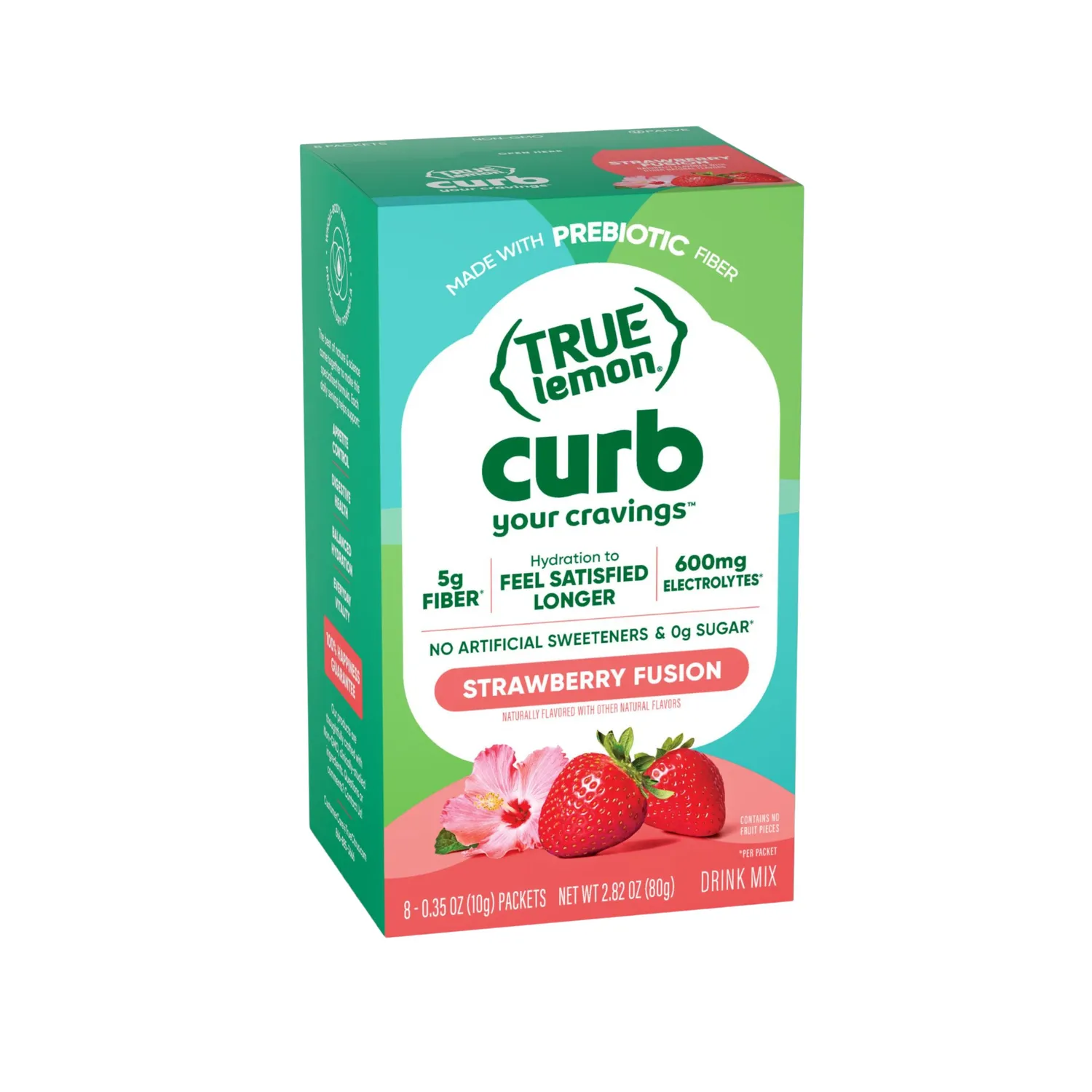
- Support appetite control
- Helps Gut Health
- Weight management
- Optimized Hydration
- Zero Sugar Solution
Hydration And Digestion: Easy Tips
Small, consistent habits beat big, occasional efforts. Keep a water bottle within reach, sip before and between meals and set gentle reminders if you tend to forget. From there, adding a squeeze of fruity goodness makes plain water enjoyable rather than something you power through. For more ideas on making daily hydration feel less like homework, our guide on How to Stay Hydrated Without Drinking Water offers practical approaches to add to your routine.
You get water from food, too. Total water intake includes water from both beverages and foods, and many fruits and vegetables have high water content. Cucumber, watermelon, celery, lettuce, tomatoes, oranges and strawberries are all great picks that are crunchy, juicy and fiber-rich, which is a double win for your digestive system!

Final Thoughts
Water isn't just something you drink when you're thirsty. It's a key player in how your body breaks down food, absorbs nutrients and stays regular. The best part? Staying hydrated is one of the easiest, cheapest things you can do for your gut. Make it taste good, keep it simple and your digestive system will run smoother every single day.
Frequently Asked Questions About How Water Helps Digestion
Does water help digestion?
Yes, water supports the breakdown of food, helps absorb nutrients and keeps waste moving to help prevent constipation.
How does water aid in breaking down food and absorbing nutrients?
Water dissolves water-soluble nutrients and supports soluble fiber function, helping your body liquefy food and carry those nutrients into your bloodstream.
Can drinking water help prevent constipation?
Yes, staying hydrated helps soften stool and keeps it moving easily through your intestines, though it’s important to remember that constipation can have multiple causes.
When is the best time to drink water for digestion?
It’s recommended to sip throughout the day and before meals. That said, some prefer to avoid large amounts during meals.
What are the signs that dehydration is affecting your digestion?
Watch for constipation, bloating, hard stools, dry mouth and dark-yellow urine.
How much water should I drink daily for healthy digestion?
Fluid needs vary, but the National Academies set total water Adequate Intakes at about 15.5 cups per day for adult men and 11.5 cups per day for adult women, including water from beverages and food, adjusted for activity and climate (National Academies of Sciences, Engineering, and Medicine, 2005).
What factors affect how much water I need for good digestion?
Body size, activity level, climate, diet and overall health all change your daily water needs.
What are some simple habits to increase my daily water intake?
Carry a water bottle, sip before meals, eat water-rich foods and flavor your H2O with a delicious drink mix for extra encouragement.
Sources:
- Daley, S. F., & Vadakekut, E. S. (2026). The role of dietary fiber in health promotion and disease prevention: A practical guide for clinicians. In StatPearls. StatPearls Publishing. https://www.ncbi.nlm.nih.gov/books/NBK559033/
- National Academies of Sciences, Engineering, and Medicine. (2005). Dietary reference intakes for water, potassium, sodium, chloride, and sulfate. The National Academies Press. https://doi.org/10.17226/10925
Top Sellers


True Lemon

True Lime Watermelon Limeade

True Lime Black Cherry Limeade

True Lemon Energy Strawberry Dragonfruit
