L-Theanine And Caffeine Benefits: Focus & Energy
Caffeine works. That's not in dispute. It's one of the most studied and widely used compounds in the world, and its ability to promote alertness is pretty well-established. But anyone who's had one too many cups of coffee knows the other side of that story. When deadlines are stacked against you, the caffeine jitters might make you hit a mid-afternoon wall.

True Lemon Elevate Berry Blast

True Lemon Elevate Citrus Blast

True Lemon Elevate Wellness Bundle
Check out our Blog

Think you know all about Vitaminwater? Think again! Dive in to discover what’s really in your drink and how to make a healthier choice!
Learn More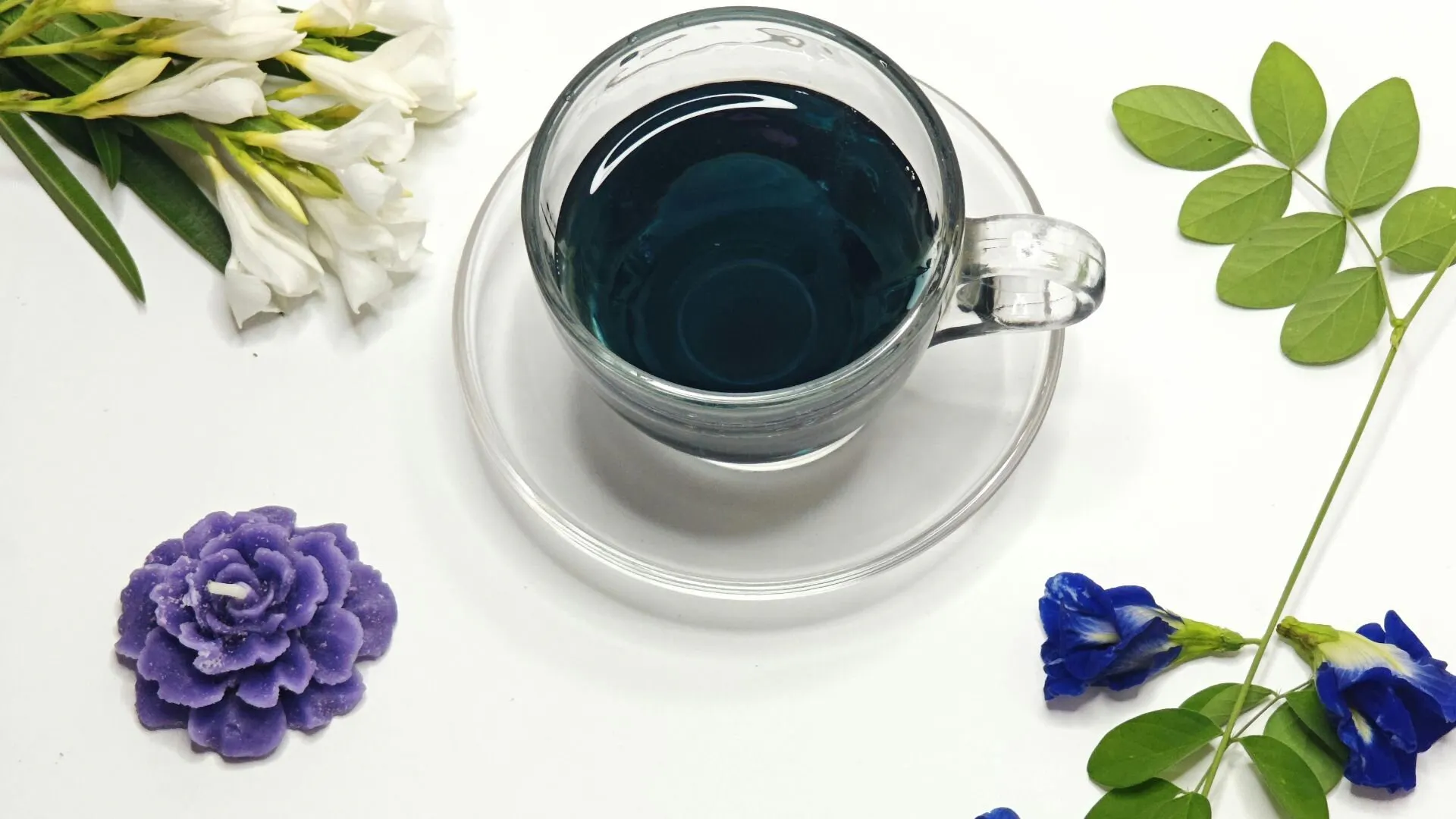
Curious about butterfly pea flower tea? Discover the colorful, feel-good benefits of this blue brew and why it’s a must-sip for your wellness routine!
Learn More
Learn how hydration and immunity are connected. Find out how water intake and electrolytes help support wellness and daily hydration habits
Learn MoreCaffeine And Theanine Synergy
Caffeine works by blocking adenosine receptors in the brain, a compound that builds up throughout the day and makes you feel tired (Reichert et al., 2022). By blocking those receptors, caffeine promotes wakefulness and alertness (Reichert et al., 2022). The limitation is that it may also create that edgy, overstimulated feeling, particularly at higher doses or when consumed on an empty stomach.
L-Theanine For Focus
L-theanine works through a different pathway. It's associated with promoting alpha brain wave activity, the kind of mental state linked to calm alertness and focused attention (Dashwood & Visioli, 2025). On its own, L-theanine has relatively modest effects. But when combined with caffeine, the picture changes. For people who struggle to maintain focus during long work sessions, meetings or study periods, the duo tends to be more effective than either one alone, and sometimes more comfortable to sustain over the course of a day.
What The Research Shows
A randomized, placebo-controlled study found that the combination of L-theanine and caffeine significantly improved accuracy during attention-switching tasks, increased self-reported alertness and reduced self-reported tiredness compared with placebo (Giesbrecht et al., 2010). A separate placebo-controlled study found that the L-theanine and caffeine combination improved both speed and accuracy on an attention-switching task and reduced susceptibility to distracting information, outperforming caffeine alone (Owen et al., 2008).
Why Green Tea Has Always Stood Out
So, L-theanine doesn't just soften caffeine. It appears to actively complement what caffeine does for focus, producing an experience that's both more alert and calmer at the same time. This is also why green tea has been valued for centuries as a focused energy source. It naturally contains both compounds, which is why tea is often described as producing a different quality of alertness than coffee, despite sometimes containing comparable caffeine. The synergy was there long before anyone was studying it in a lab!
A Calm Energy Supplement That Fits Your Day
If the 2 PM slump is a recurring theme. When coffee isn't cutting it, or it hits too hard, True Lemon Elevate might be the most useful thing you add to your pantry. It's a wellness-forward drink mix made with purposeful, non-GMO ingredients designed to help support steady energy, focus and mental clarity. Here's what's inside every packet:
- 120mg Caffeine From Green Tea: We’ve chosen plant-based caffeine for a smoother, more gradual release. It’s the kind of lift that builds steadily rather than hitting all at once.
- 200mg L-Theanine: The appeal of L-theanine as a calm energy supplement is ultimately about getting the alertness and productivity without the usual crash. That energized but not wired combination is what an L-theanine dose with caffeine is supposed to produce. It's not magic, and it works better for some people than others, depending on individual caffeine sensitivity and overall daily intake.
- 200mg GABA: GABA is a neurotransmitter that helps support a sense of calm and ease.
- 60mg Magnesium: As an essential mineral that helps support metabolism and nerve function, extra magnesium is particularly useful on days when you're running on empty.
- 600mg Balanced Electrolytes: Sodium and potassium help your body maintain fluid balance and use the water you're drinking, because even mild dehydration may affect how alert and focused you feel, regardless of how much caffeine you've had.
- Three Bright Flavors: Available in Berry Blast and Citrus Blast, each packet contains zero sugar, just 10 calories and no artificial sweeteners. Mix one packet into 16–20 oz. of cold water, and you've got something that works harder than a cup of coffee and feels a lot better than a standard energy drink.
For anyone building a sustainable routine around better hydration and more consistent energy, our flavored water packets are a practical way to make the hydration side of that equation easier. We’ve spent years crafting the best drinks for hydration that help people like you drink water more deliciously. If you’d like a sweeter, guilt-free sip to add to your rotation, you don’t have to wait for summer to enjoy a sweet-sour sip. Our low-sugar lemonade drink mixes give you that freshly squeezed taste without the mess or hassle of fresh fruit.
How To Reduce Caffeine Jitters With L-Theanine
If you're caffeine-sensitive, shakiness is one of the most common and frustrating side effects. The racing heart that shows up uninvited or the inability to sit still are both associated with caffeine's stimulating effects, and they tend to be more pronounced at higher doses. L-theanine may help by supporting a calmer baseline. Here are a few practical approaches worth trying:
- Shift To Green Tea: Green tea naturally contains caffeine alongside L-theanine and other tea polyphenols, which may contribute to its reputation for a gentler energy experience that unfolds gradually (Boros et al., 2016). True Lemon Elevate uses green tea-derived caffeine specifically for this reason.
- Add L-Theanine To Your Current Caffeine Source: If you're not willing to give up coffee, you don’t have to! Taking an L-theanine supplement alongside your morning cup of joe might help soften the experience.
- Lower Your Total Caffeine Dose: Jitteriness is usually dose-dependent. Switching from a 200mg caffeine source to a 120mg one with L-theanine may produce better focus.
- Stay Hydrated: Dehydration amplifies how caffeine feels. A glass of water before or alongside your caffeine source can potentially change how the caffeine feels when you're already well-hydrated.
If you're someone who reaches for coffee primarily because regular H2O feels too boring, our article on how to stay hydrated without drinking water has practical ideas for keeping fluid intake consistent. For example, one of the top benefits of lemon water is that its crisp, refreshing taste might encourage you to reach for more frequent sips.
L-Theanine With Coffee: How To Make Your Morning Smoother
For most people, coffee isn't going anywhere. And it doesn't have to. The more practical question is whether adding L-theanine alongside your morning coffee makes the experience more useful.
How To Add L-Theanine To Your Brew
Some people who try L-theanine with coffee report that the combination feels more controlled than coffee alone. You might experience less of the jitters and more of the clear-headed focus you’re after. The caffeine in coffee still does its job; the L-theanine helps calibrate how it lands. The most straightforward way to do this is to take an L-theanine supplement alongside your morning coffee.
What’s The Ideal L-Theanine Caffeine Ratio?
The Owen et al. (2008) study used a 1:2 ratio of caffeine to L-theanine, which seemed to be effective for both speed and accuracy in the observed attention-switching task. In comparison, True Lemon Elevate includes 120mg of green tea-derived caffeine and 200mg of L-theanine, which is a roughly 1:1.7 ratio that sits comfortably within the range the research tends to support. If you're experimenting with your own ratio, more L-theanine relative to caffeine tends to produce a calmer experience. Personal sensitivity to caffeine is the biggest variable to account for.
L-Theanine Benefits For Anxiety And Everyday Calm
L-theanine is frequently discussed in relation to stress management, and while the evidence here is softer than the cognition research, it's meaningful enough to include. The compound is associated with promoting alpha brain wave activity, the same pattern seen during meditation and relaxed, attentive states (Hidese et al., 2019). Some people find L-theanine helpful for taking the edge off everyday stress that comes with busy, demanding days. It doesn't produce sedation or drowsiness at typical doses, which makes it distinct from most compounds associated with relaxation.
For people who reach for caffeine primarily to help with fatigue but find that it worsens their daily anxiety, L-theanine paired with moderate green tea caffeine may be a better approach than high-dose caffeine alone. The aim is energy that feels steady and manageable rather than a buzzy feeling that might compound stress. As always, if anxiety is a significant daily concern, a conversation with a healthcare provider is worth having. L-theanine is a useful supplement for many people, but it's not a substitute for professional support when it's needed.
Frequently Asked Questions About L-Theanine And Caffeine
Caffeine is widely known for promoting alertness and helping people feel more awake. L-theanine is often discussed in connection with relaxation and calm focus. When used together, the pairing is commonly chosen for balanced energy.
L-theanine helps promote calm alertness alongside caffeine's more energizing effects. Research suggests the combination improves focus, attention-switching accuracy and self-reported alertness more effectively than caffeine alone, while reducing feelings of tiredness (Giesbrecht et al., 2010; Owen et al., 2008).
Yes. Many types of green tea naturally contain both compounds. This is one reason it’s often described as providing a smoother or more balanced energy experience compared with stronger caffeine sources.
Some people include the combination in their morning routine, while others use it before focused work sessions or studying. The timing often depends on individual habits and caffeine sensitivity.
Yes. Some individuals choose to take L-theanine on its own as a supplement when they want a calmer feeling without additional stimulation from caffeine.
Some people add L-theanine to their coffee routine because the combination is often associated with smoother alertness.
Sources:
- Reichert, C. F., Deboer, T., & Landolt, H. P. (2022). Adenosine, caffeine, and sleep-wake regulation: state of the science and perspectives. Journal of sleep research, 31(4), e13597. https://doi.org/10.1111/jsr.13597
- Dashwood, R., & Visioli, F. (2025). l-theanine: From tea leaf to trending supplement – does the science match the hype for brain health and relaxation? Nutrition Research, 134, 39–48. https://doi.org/10.1016/j.nutres.2024.12.008
- Giesbrecht, T., Rycroft, J. A., Rowson, M. J., & De Bruin, E. A. (2010). The combination of L-theanine and caffeine improves cognitive performance and increases subjective alertness. Nutritional Neuroscience, 13(6), 283–290. https://doi.org/10.1179/147683010X12611460764840
- Owen, G. N., Parnell, H., De Bruin, E. A., & Rycroft, J. A. (2008). The combined effects of L-theanine and caffeine on cognitive performance and mood. Nutritional Neuroscience, 11(4), 193–198. https://doi.org/10.1179/147683008X301513
- Boros, K., Jedlinszki, N., & Csupor, D. (2016). Theanine and Caffeine Content of Infusions Prepared from Commercial Tea Samples. Pharmacognosy magazine, 12(45), 75–79. https://doi.org/10.4103/0973-1296.176061
- Hidese, S., Ogawa, S., Ota, M., Ishida, I., Yasukawa, Z., Ozeki, M., & Kunugi, H. (2019). Effects of L-Theanine Administration on Stress-Related Symptoms and Cognitive Functions in Healthy Adults: A Randomized Controlled Trial. Nutrients, 11(10), 2362. https://doi.org/10.3390/nu11102362
