
Key Takeaways
- Sugar Isn't The Only Factor: Zero sugar doesn't automatically mean blood sugar-friendly.
- Caffeine Matters: Caffeine and blood sugar responses vary by individual.
- Label Reading Is Essential: Ingredient awareness helps prevent unwanted glucose fluctuations.
Energy drinks promise focus, stamina and a quick lift. But for people managing diabetes, the ingredients matter just as much as the boost. Many traditional energy drinks are loaded with sugar, which might cause sharp spikes in blood glucose. That raises an important question: Are there better energy drinks out there for diabetics?
The short answer is yes, but knowing what to look for makes it a lot easier to find options that fit your needs. At True Citrus, we're all about that purposeful, non-GMO life. Our citrus-forward formulas are made with transparent ingredients, no artificial sweeteners and zero to low sugar because flavor and function should work together, not compete against each other.
In this piece, we'll cover what to look for in the best energy drinks for diabetics and how to identify options that fit seamlessly into your day.

Product Spotlight: Energy Without The Spike
When looking for energy drinks that work for a diabetes-aware lifestyle, the biggest challenge is finding caffeine that doesn't come with a sugar high or a jittery aftermath. That’s why we created True Lemon Elevate to help you power through your day with focus and clarity. This functional powdered drink mix contains zero sugar, no artificial sweeteners and just 10 calories per packet. Here's what makes it stand out for blood-sugar-conscious routines:
- No-Crash Boost: 120 mg of smooth, gentle caffeine from green tea extract releases gradually, helping support steadier energy without the sharp spike-and-drop cycle common with conventional energy drinks.
- No Hidden Artificial Sweeteners: Sweetened with Stevia, these flavored water packets contain zero sugar, no artificial sweeteners and only 10 calories per serving.
- Hydration + Electrolytes: 600mg of ideally balanced electrolytes, namely sodium and potassium, were added to support cellular hydration.
- Focus Support: The proprietary Phyto True™ blend pairs caffeine with 200mg L-Theanine for alertness and 200mg GABA to help support calmness.
- Two Equally Delicious Flavors: Available in Berry Blast and Citrus Blast or a Variety Bundle featuring 12 servings of each, you’re sure to find a favorite.
If you’re looking for one of the best drinks for hydration that’s as easy to use as it is to love, True Lemon Elevate is it. All you have to do is mix one packet into 16–20 oz. of cold water for a hydration powerhouse on top of juicy, fruity flavor that makes your taste buds dance. Plus, since every purposeful, non-GMO ingredient earns its place, you don’t have to feel guilty about each crisp gulp.
What To Look For In Energy Drinks For Blood Sugar Control
Choosing the right zero sugar energy drinks often comes down to reading labels with intention. Small details like sweetener type, caffeine level and ingredient transparency can make a noticeable difference in how a beverage fits into your day.
Zero Added Sugar And Minimal Total Carbs
For people managing diabetes, added sugars like high-fructose corn syrup are the most direct route to a blood sugar spike, so avoiding them is the obvious starting point. But the sugar line on a nutrition label doesn't tell the whole story. Total carbohydrates include everything that might affect blood glucose, including sugar alcohols and other carb-containing additives that sometimes sneak into "sugar-free" products. A drink can legitimately claim zero added sugar while still carrying enough total carbs for your body to react to, especially if you're having more than one serving. Checking the total carbohydrate count per serving, not just the sugar line, gives you a more accurate picture of how a drink may affect your blood glucose.
KNOW?
Many traditional energy drinks are loaded with added sugars
Energy drinks can spike blood glucose levels, which is why sugar-free and low-glycemic alternatives are becoming a safer choice for people managing diabetes..
The Type Of Sweetener Used
Artificial sweeteners like sucralose, aspartame and acesulfame potassium are common in zero sugar drinks but vary in how they may affect digestion and insulin response. Research on their long-term health effects remains inconclusive, with some reviews noting that potential harms cannot be ruled out (Toews et al., 2019). Options sweetened with plant-based sweeteners like Stevia or monk fruit tend to be better-received by people looking to keep ingredients simple and recognizable.
Caffeine Content And Serving Size
Caffeine may influence how the body manages glucose. Some research suggests it may temporarily affect insulin sensitivity in certain individuals, which is worth knowing if you're monitoring blood sugar (Keijzers et al., 2002). Moderate amounts tend to feel more manageable than high-dose options that come on strong and fade quickly. Checking the serving size also matters. Some beverages contain more than one serving, which can double caffeine or carbohydrate intake without you realizing it.
Clear Ingredient Lists
Honest ingredient lists that don’t hide behind mystery proprietary blends make it easier to feel confident in what you're drinking. After all, if you don’t know the components that make up that magic formula, it’s hard to pinpoint what exactly is going into your body. For anyone trying to make feel-good swaps, ingredient clarity keeps things realistic.

How Zero Sugar And Low Carb Energy Drinks Fit In
Not all low-sugar energy drinks are built the same, and the colorful label on the front of the packaging rarely tells the full story. Learning the distinctions between zero sugar, low-carb and keto-friendly options helps you cut through the marketing and focus on what actually matters.
Zero Sugar Energy Drinks
Zero sugar energy drinks help lower the risk of immediate glucose spikes, but they don't eliminate every consideration. For instance, sucralose is one of the most commonly used artificial sweeteners in zero sugar energy drinks, but some individuals prefer to avoid this ingredient altogether due to digestive concerns or personal preference. Instead, seek out brands that use Stevia or monk fruit, which tend to raise fewer red flags because they are plant-based sources of sweetness.
Low-Carb Energy Drinks
Low-carb options limit carbohydrates, which lowers the risk of rapid blood sugar spikes. However, some products replace carbohydrates with artificial sweeteners or sugar alcohols, which might upset your digestive system. Caffeine content also differs widely between brands. Comparing low-carb drinks thoughtfully means looking at the full ingredient profile, not just the carbohydrate count.
Keto-Friendly Energy Drinks
Keto energy drinks are typically low in carbohydrates, which may appeal to those managing blood glucose levels. However, keto-friendly labeling doesn't automatically make a drink appropriate for everyone. Caffeine levels may still be high, and some products include additional stimulants or concentrated sweeteners. Personal tolerance and blood glucose response should guide decisions more than marketing labels.
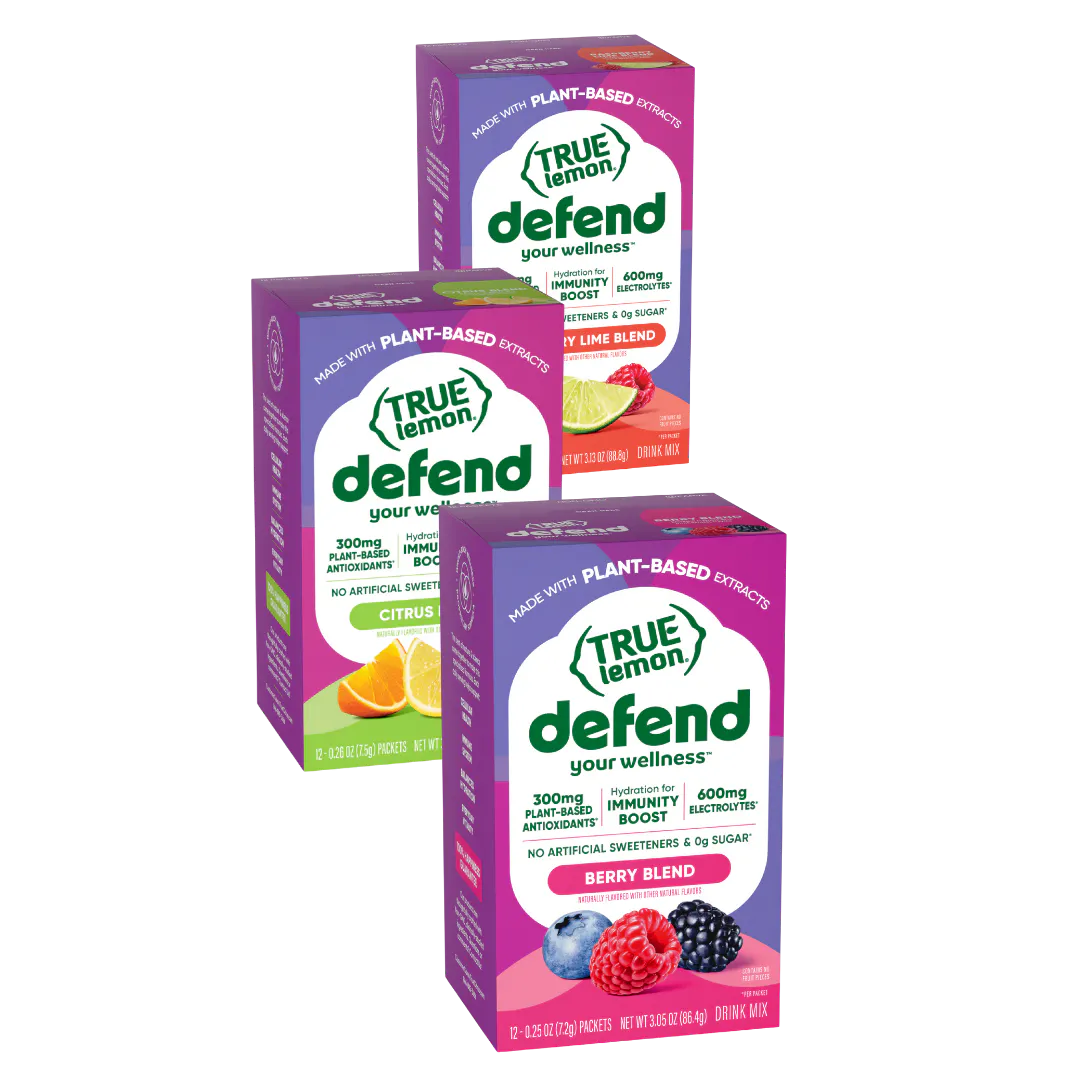
- Helps support hydration, the immune system and cellular health
- Plant-based antioxidants
- Balanced electrolytes
- No artificial sweeteners
- Zero sugar
Building A Routine Around The Best Sugar-Free Energy Drinks
Building a daily lineup of diabetic friendly energy drinks doesn't have to be complicated. The basics come down to a few consistent habits: being intentional about when you reach for caffeine, keeping an eye on how your body responds and making sure hydration is working for you throughout the day, not just during that one afternoon pick-me-up. Tiny tweaks here and there add up more than most people expect.
Time Your Caffeine Intentionally
Treating energy drinks as a targeted lift rather than an all-day sip tends to work better for blood sugar management. Reaching for one during your typical afternoon slump or before a demanding meeting keeps it purposeful. For the rest of the day, rotate in thirst-quenching, caffeine-free options with mindful ingredients, like low-sugar lemonade or limeade drink mixes, to help you maintain fluid intake without relying on constant energy boosts.
Pair With Food When Possible
Having a caffeinated drink alongside food rather than on an empty stomach may create a more harmonious experience. It might lessen the chance of a quick spike followed by a drop, especially for those more sensitive to caffeine.
Make Water The Best Part Of Your Day
Sometimes you’re feeling tired because you’re dehydrated. In fact, keeping up with daily fluid intake is one of the simplest things you can do for steady energy. But if you’re someone who can’t seem to find the appeal in a plain glass of H2O, we totally get it. Luckily, it’s easier than ever to learn how to stay hydrated without drinking water. Namely, it’s worth remembering that energy doesn’t always need to come from sugar or caffeine. The benefits of lemon water are a zestfully satisfying reminder that the juicy, fresh-squeezed taste of citrus can add variety and zing to your glass without bogging you down with unnecessary extras.
Pay Attention To How Your Body Responds
Everyone reacts a little differently to caffeine and sweeteners. Noticing patterns over time, like your energy levels, blood sugar readings or how you feel an hour later, gives you more useful information than any general guideline. Switching flavors, reducing serving size or changing timing when needed can all make a noteworthy difference in how well your routine actually supports you.

Final Thoughts
No sugar energy drink options can seem like an easy solution for people managing diabetes, but there are still plenty of factors to think about. While removing sugar reduces the risk of immediate spikes, it doesn't eliminate every consideration. Caffeine levels, total carbohydrates and the type of sweeteners used all play a role in how a drink affects the body.
That said, energy drinks for diabetics are best evaluated with the full ingredient list in mind. A product labeled zero sugar or low carb may still contain high levels of caffeine or other sweeteners that can affect personal tolerance. Monitoring blood glucose after trying something new can help determine whether it fits into your routine. Ultimately, thoughtful label reading, portion awareness and consistency are what tend to make the biggest difference over time.
Frequently Asked Questions About The Best Energy Drinks For Diabetics
Are energy drinks safe for diabetics?
Some options can fit into a diabetes-aware routine, but only if they're low in carbohydrates, free of added sugar and consumed in moderation. Monitoring blood glucose response is the most useful guide.
Do sugar-free energy drinks raise blood sugar?
They typically don't raise blood sugar the way sugary drinks do, but caffeine and certain sweeteners may still influence glucose levels in some individuals.
What should people with diabetes look for in an energy drink?
Zero added sugar, minimal total carbohydrates, moderate caffeine levels and a clear ingredient list. Purposeful ingredients that earn their spot in a formula are generally easier to evaluate.
Are low-carb energy drinks better than regular ones for people with diabetes?
They might limit the impact of sugar, but caffeine and sweetener content still matter. Low-carb on the label doesn't automatically mean diabetic friendly.
Are energy drinks without sucralose better for people with diabetes?
Some individuals prefer to avoid sucralose due to personal tolerance concerns, but overall, ingredient balance matters more than any single sweetener.
What are healthier alternatives to energy drinks for people with diabetes?
Hydration-focused beverages or drink mixes with tasty, fruit-forward flavor, moderate caffeine from plant-based sources and low sugar may provide steadier energy without additional ingredients that make you raise an eyebrow.
How much caffeine is too much in the best energy drinks for diabetics?
Tolerance varies, but moderation is key. Large amounts of caffeine may influence glucose response, heart rate and sleep quality.
Sources:
- Toews, I., Lohner, S., Küllenberg de Gaudry, D., Sommer, H., & Meerpohl, J. J. (2020). Association between intake of non-sugar sweeteners and health outcomes: Systematic review and meta-analyses. BMJ, 364, k4718.https://doi.org/10.1136/bmj.k4718
- Keijzers, G. B., De Galan, B. E., Tack, C. J., & Smits, P. (2002). Caffeine can decrease insulin sensitivity in humans. Diabetes Care, 25(2), 364–369. https://doi.org/10.2337/diacare.25.2.364
Top Sellers


True Lemon

True Lemon Strawberry Lemonade

True Lime Watermelon Limeade

True Lemon Raspberry Lemonade
