
Key Takeaways:
- Polyphenols With A Purpose: Pomegranate extract is one of the richer sources of Ellagic Acid and punicalagin, two compounds with a solid antioxidant research profile behind them.
- Bioavailability Is The Real Story: Having pomegranate extract on a label is one thing, but having independent testing that confirms your body can absorb and use the Ellagic Acid is what separates a formula worth taking from one that just sounds good on paper.
- Part Of A Bigger Picture: Like other plant-based antioxidants, pomegranate extract works best as a consistent daily habit alongside balanced eating and adequate hydration, not as a standalone solution.
Pomegranates have been used in traditional wellness practices across cultures for centuries, and modern research has started catching up to what those traditions intuited. Turns out, there's a lot going on inside that jewel-toned fruit, and the concentrated extract is where a lot of the interesting perks live.
At True Citrus, we don't add ingredients just to fill up a label. Ellagic Acid, sourced from pomegranate, is a total VIP in our immune-focused wellness drink mix for a reason, and knowing why starts with understanding what pomegranate extract contains and what the research suggests it may do.
In this piece, we'll cover the key plant compounds in pomegranates, what the science says about pomegranate extract benefits and how bioavailability determines whether any of that science translates into a nutrition boost you can feel.
What Is Pomegranate Extract?
Pomegranate extract is a concentrated form of the bioactive compounds found in the fruit, primarily the peel, juice and seeds of Punica granatum, the pomegranate plant. Unlike eating the juicy, ruby-like seeds themselves, which gives you a broader mix of nutrients and fiber alongside the active compounds, extract isolates and concentrates the polyphenols, which are naturally occurring compounds found in plants that act as powerful antioxidants. This tends to give you more of the research-backed nourishment in a smaller, more consistent dose.
The extract is particularly rich in ellagitannins, a class of polyphenols that includes punicalagin, the compound most responsible for pomegranate's notable antioxidant activity (de Oliveira et al., 2020). Ellagic Acid, another element we'll cover in most detail, is both a direct component of the extract and a metabolite (i.e., a small molecule created, used or broken down during metabolism) produced when ellagitannins are processed by your body.

Product Spotlight: Pomegranate Extract In A Travel-Ready, Delicious Packet
True Lemon Defend delivers Ellagic Acid sourced directly from pomegranate extract as part of our Phyto True™ Antioxidant Blend. However, what makes this feel-good drink mix stand out from most pomegranate supplements is independent absorption testing.
- Ellagic Acid From Pomegranate: This is the primary pomegranate-derived antioxidant in the formula, independently tested and confirmed to cross the intestinal barrier. This matters because Ellagic Acid has notoriously variable bioavailability. The fact that it's been verified as absorbable in this formula means your body knows how to put it to work.
- Enhanced Absorption With No Interference: Ellagic Acid has room to shine in our Defend formula, with the other antioxidants in the blend supporting rather than competing with its absorption. In fact, three of the four antioxidants in the formula absorb just as effectively together as they do separately, something that had to be independently confirmed, not assumed.
- 600mg Balanced Electrolytes: Sodium and potassium in the ideal ratio to support cellular hydration, because antioxidants work better when your body is also well-watered.
- Zero Sugar Without Compromise: Every guilt-free gulp contains purposeful, non-GMO ingredients with no artificial sweeteners to worry about. But no sugar definitely doesn’t mean zero taste. Available in Berry Blend, Citrus Blend and Raspberry Lime Blend, or a Variety Bundle with 12 packets of each, each flavor gives your tast buds plenty of reasons to get excited.
Just mix one 15-calorie packet into 20–24 oz. of cold water, shake and sip to enjoy mouthwatering flavor plus holistic hydration. Compact enough to live in a bag, a desk drawer or a car console, it's a daily wellness habit that actually fits into real life.
KNOW?
Your energy levels depend on more than caffeine.
Sleep, hydration, balanced nutrition, and regular movement all play a key role in staying energized.
Pomegranate Polyphenol Benefits: The Active Compounds Worth Knowing
Pomegranate isn't a one-compound story. It's a whole cast of polyphenols working together, and each one brings something different to the table. Here's a closer look at the main players.
Punicalagins And Punicic Acid
Punicalagin is one of the most abundant ellagitannins in pomegranate peel and is widely considered the primary driver of pomegranate's antioxidant potency. It's a large, complex polyphenol that breaks down in the gut into Ellagic Acid and other smaller compounds that are then absorbed. Punicic acid, found in the seed oil, is a fatty acid with its own research profile, but for extract-based products, the ellagitannins and their metabolites are the main story.
Anthocyanins
Anthocyanins are the pigments responsible for pomegranate's deep red color. They're a class of flavonoids with antioxidant properties and are found in the juice and arils. Their contribution to pomegranate's overall antioxidant activity adds to, but doesn't replace, the ellagitannin story, and they're generally less studied in the context of concentrated extract products.
Ellagic Acid Pomegranate: The Star Of The Show
Ellagic Acid is the bioactive metabolite that forms when ellagitannins like punicalagin are metabolized. It’s been studied for antioxidant, anti-inflammatory and potential cardiovascular effects, and it's the compound most directly relevant to why pomegranate extract shows up in functional wellness formulas (Al-Dujaili et al., 2022). Additionally, it’s present directly in the fruit, though the body's ability to use it depends significantly on how well it crosses the intestinal barrier. The thing is, Ellagic Acid has historically had bioavailability challenges because it's poorly water-soluble in its free form and can form complexes with minerals in the gut that reduce absorption (Al-Dujaili et al., 2022). That means a supplement listing Ellagic Acid on the label isn't automatically one that provides it where it counts, which is exactly why independent absorption testing matters more than impressive-sounding ingredients.

Pomegranate Antioxidant Benefits: What The Science Shows
Research on pomegranate's antioxidant profile is one of the more substantive areas of fruit-based nutrition science, and it holds up reasonably well across different study types. Here's what the evidence points to.
Pomegranate Extract For Immune Support: Antioxidant Activity
Pomegranate's antioxidant activity is among the most consistently demonstrated aspects of its research profile. The high concentration of polyphenols, particularly punicalagin and Ellagic Acid, gives the extract one of the highest antioxidant ratings measured in fruits. In practical terms, antioxidants help neutralize free radicals, unstable molecules that can cause oxidative damage to cells over time. For a broader look at how antioxidants work in the body and why they matter for everyday wellness, our piece on Antioxidant Benefits covers the foundational science you should know.
The connection between pomegranate's antioxidant compounds and immune function makes a lot of sense. After all, antioxidants help protect cells from oxidative stress, and immune cells are no exception. A similar principle applies to plant-based citrus bioflavonoids, which work through comparable pathways. But what are citrus bioflavonoids? If you're building a broader picture of how these compounds fit together, our dedicated articles cover the Hesperidin and flavonoid side of the story in detail. Overall, consistent intake of antioxidant-rich compounds from fruit, as part of a balanced daily routine, may help maintain the cellular environment that normal immune function depends on.
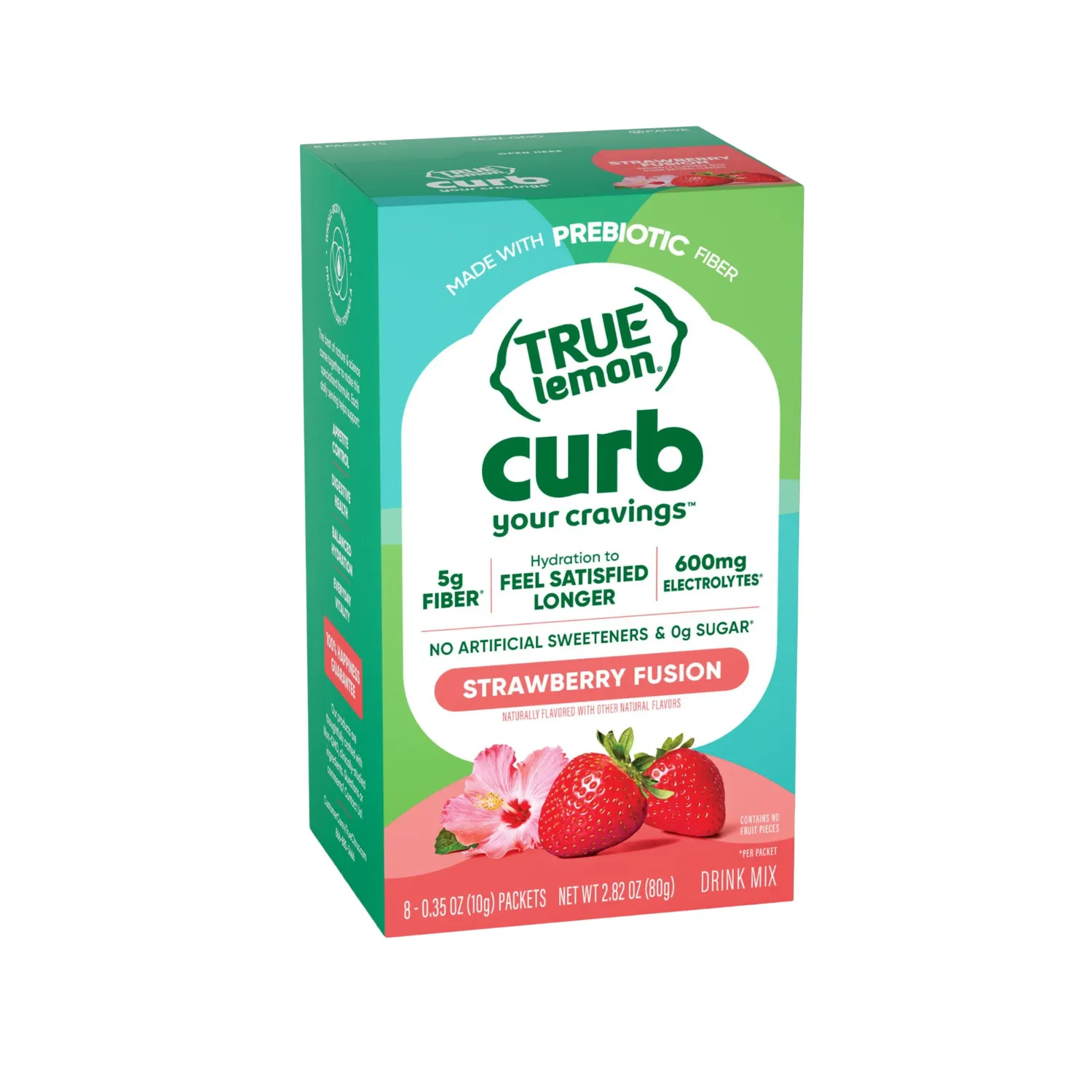
- Support appetite control
- Helps Gut Health
- Weight management
- Optimized Hydration
- Zero Sugar Solution
Anti-Inflammatory Properties
Several of pomegranate's active compounds have been studied for anti-inflammatory activity. Ellagic Acid and punicalagin both appear to influence inflammatory signaling pathways in cell and animal studies, with some human research supporting modest anti-inflammatory effects (Al-Dujaili et al., 2022). This is an area where the science is promising but still developing, particularly in translating findings from cells and animals into clear human outcomes.
Cardiovascular Potential
A randomized study in healthy volunteers found that pomegranate extract supplementation was associated with improvements in antioxidant capacity and certain cardiovascular markers over a short supplementation period (Al-Dujaili et al., 2022). The researchers noted that ellagitannins and their ability to play a beneficial role in the reduction of oxidative stress appear to play a central role in these effects. Larger and longer studies are needed to establish the strength and consistency of cardiovascular benefits, but the early research is encouraging enough to support pomegranate extract as part of a generally heart-healthy lifestyle approach.

Final Thoughts
Overall, the ongoing research on the polyphenols in pomegranate extract, particularly Ellagic Acid and punicalagin, is substantial enough to take seriously. The antioxidant activity is highly documented, the anti-inflammatory and cardiovascular data are promising and the immune support angle is well-supported. What matters most is whether the extract you're consuming has been tested for actual absorption, because all the research in the world doesn't mean much if the compound isn't making it past your gut wall.
Frequently Asked Questions About Pomegranate Extract Benefits
What is pomegranate extract, and what makes it different from eating the fruit?
Pomegranate extract concentrates the polyphenols, particularly punicalagin and Ellagic Acid, found in the fruit's peel and juice. This way, you get a more dependable, higher dose of the research-backed compounds without the full sugar and caloric load of the whole fruit.
What are the main active compounds in pomegranate extract?
Punicalagin, Ellagic Acid and other ellagitannins are the main ones. Punicalagin and Ellagic Acid are the most studied and are considered the primary drivers of pomegranate's antioxidant activity.
Is pomegranate extract safe?
Pomegranate extract is generally considered safe for most healthy adults. Anyone taking medications should check with their healthcare provider before supplementing.
Why does bioavailability matter for pomegranate extract?
Ellagic acid, the key active metabolite, can have poor absorption depending on the form and formula it's delivered in. Independent testing to confirm that it crosses the intestinal barrier is what separates a formula that works from one that just looks good on the label.
What is the recommended dosage of pomegranate extract?
There's no official recommended dose. Because supplement potency varies, we recommend following the product labeling or your doctor’s guidance.
Who should avoid using pomegranate extract?
Pregnant or breastfeeding women should be cautious. Pomegranate juice is believed to be safe, but little is known about the safety of other forms, including extracts, during pregnancy or breastfeeding, so stick with the juice and check with your healthcare provider first.
Sources:
- de Oliveira, F. L., Arruda, T. Y. P., da Silva Lima, R., Casarotti, S. N., & Morzelle, M. C. (2020). Pomegranate as a natural source of phenolic antioxidants: A review. Journal of Food Bioactives, 9, 10–22. https://doi.org/10.31665/JFB.2020.9214
- Al-Dujaili, E. A. S., Casey, C., & Stockton, A. (2022). Antioxidant Properties and Beneficial Cardiovascular Effects of a Natural Extract of Pomegranate in Healthy Volunteers: A Randomized Preliminary Single-Blind Controlled Study. Antioxidants (Basel, Switzerland), 11(11), 2124. https://doi.org/10.3390/antiox11112124
Top Sellers


True Lemon


True Lemon Triple Citrus Lemonade

True Lemon Strawberry Lemonade
