
Key Takeaways
- Everyday Role: Antioxidants are commonly discussed for their role in supporting normal cellular processes over time.
- Multiple Sources: Antioxidants come from a range of foods, drinks and sometimes supplements, not just one category.
- Consistency Matters: Regular intake through daily habits is a common theme when antioxidants are discussed.
Antioxidants are often mentioned in connection with foods, drinks and overall wellness, but the idea can feel fuzzy without a clear explanation. At a basic level, antioxidants help your body handle everyday stress that comes from normal metabolic processes and environmental exposures. Understanding what they do and where they come from helps make sense of why they're so widely discussed.
At True Lemon, citrus flavor and happy hydration habits are what we know best. We think about how people drink, eat and make small choices throughout the day. That experience shapes how we look at antioxidants, not as a trend, but as something that shows up in your everyday life.
In this piece, we'll walk through antioxidant benefits, including where antioxidants come from, how they work in your body and how foods and drinks with antioxidants fit into everyday life.

Free Radicals And Antioxidants: A Quick Overview
Antioxidants are compounds that help protect your body against oxidative stress: a process where unstable molecules called free radicals can damage cells over time (Gulcin, 2025). Your body produces free radicals naturally during normal metabolic processes, and you're also exposed to them through things like UV radiation, pollution and even exercise (Gulcin, 2025).
Here's where antioxidants come in: they help neutralize these free radicals before they start to cause cellular damage (Gulcin, 2025). Think of it like rust prevention for your cells. Your body has its own antioxidant defense system, but getting antioxidants from food and beverages helps support that system.
Antioxidant-Rich Foods And How People Commonly Get Them
Antioxidant-rich foods are part of everyday eating, even if you don't always think about them that way. Fruits, veggies, nuts and grains contain compounds that help support your body's normal protective processes. Foods with brighter colors are often associated with higher antioxidant content, since those vibrant pigments tend to signal the presence of beneficial plant compounds (Gulcin, 2025).
According to the U.S. Department of Agriculture, some of the top antioxidant-rich fruits include prunes, raisins, blueberries, oranges, and strawberries. Meanwhile, kale, spinach, Brussels sprouts, broccoli, and beets are antioxidant-containing vegetables you can easily add to your diet. In particular, citrus fruits are a common example that people recognize. Lemons, limes and oranges are frequently highlighted because they contain Vitamin C, which is considered a powerful antioxidant (Gulcin, 2025). That's one key reason citrus often shows up in daily drink routines, from a quick morning glass to an afternoon refresher. In fact, one of the main benefits of lemon water is its Vitamin C content, which may refresh your system with some antioxidants.
Ultimately, what matters most is consistency. Antioxidant-rich foods aren't about one specific superfood or moment. They come from regular choices made throughout the day, using foods and drinks you already love.
KNOW?
Antioxidants are important for your health.
They protect your body from oxidative stress and support longevity.
Antioxidants For Inflammation And Their Role In The Body
Inflammation is your body's normal response to injury or irritation. But when it becomes more intense due to lifestyle factors like poor diet, lack of sleep or ongoing stress, it might contribute to deeper issues. Antioxidants may help by neutralizing free radicals that can trigger inflammatory responses in cells (Gulcin, 2025). Research suggests that diets rich in antioxidant-containing foods like berries, leafy greens and citrus are associated with lower markers of inflammation, though results vary based on individual health status and overall diet quality (Gulcin, 2025). Antioxidants aren't a cure for inflammation. They're one supportive element in a broader approach that includes balanced nutrition, regular movement and stress management.
Antioxidants For Immune System Support And Everyday Health
Antioxidants for immune system support are discussed because your immune system is active every day, responding to threats. Immune cells are particularly vulnerable to oxidative damage because they're constantly working to protect your body (Gulcin, 2025). Antioxidants like Vitamin C, Vitamin E and selenium may help protect these immune cells from damage and support their normal function (Dietary supplements for immune function and infectious diseases, 2025).
This doesn't mean antioxidants prevent illness on their own. They work best as part of consistent habits that include eating a variety of nutrient-rich foods, staying hydrated and getting adequate sleep. Citrus fruits, vegetables and other plant-based sources are often mentioned because they contain antioxidant compounds that fit easily into daily routines.

Antioxidants For Skin And What They’re Known For
Antioxidants for skin come up because your skin is constantly exposed to UV radiation, pollution and other environmental stressors that generate free radicals. These free radicals can contribute to visible signs of aging like fine lines, wrinkles and uneven tone over time (Gulcin, 2025). Antioxidants like Vitamin C and Vitamin E may help protect skin cells from this oxidative damage and support the skin's natural repair processes (Gulcin, 2025). You'll find antioxidants in both topical skincare products and in foods and beverages you consume to support skin health from the inside out. The key is consistency: antioxidants work through steady exposure over time, not as a fast fix for skin concerns.
Antioxidant Vitamins And Where They Typically Come From
Antioxidant vitamins are nutrients that help protect your body from oxidative damage while supporting normal cellular functions (Gulcin, 2025). The most commonly discussed ones show up in everyday foods and drinks.
- Vitamin C: This is one of the most recognized antioxidant vitamins. It's found in citrus fruits, berries, bell peppers and leafy greens. Because Vitamin C dissolves in water, your body doesn't store it, which is why regular intake through foods and beverages matters (Manetti, 2025).
- Vitamin E: This vitamin helps protect fats in cell membranes from oxidative damage and is found in nuts, seeds, vegetable oils and leafy greens (Gulcin, 2025). Unlike Vitamin C, it's fat-soluble, so it works in different parts of your cells. This is why antioxidant vitamins are often discussed as a group. They complement each other rather than working alone.
Beyond vitamins, polyphenols are plant compounds typically found in fruits, vegetables, tea, coffee and wine that offer notable antioxidant and anti-inflammatory benefits (Jain et al., 2025). These compounds may help reduce oxidative stress and have been studied for their potential roles in supporting cardiovascular health and reducing inflammation (Jain et al., 2025). The polyphenols benefits come from regular consumption of plant-based foods and beverages, and just like most other nutrients, they work best as part of a varied diet, not as isolated supplements.
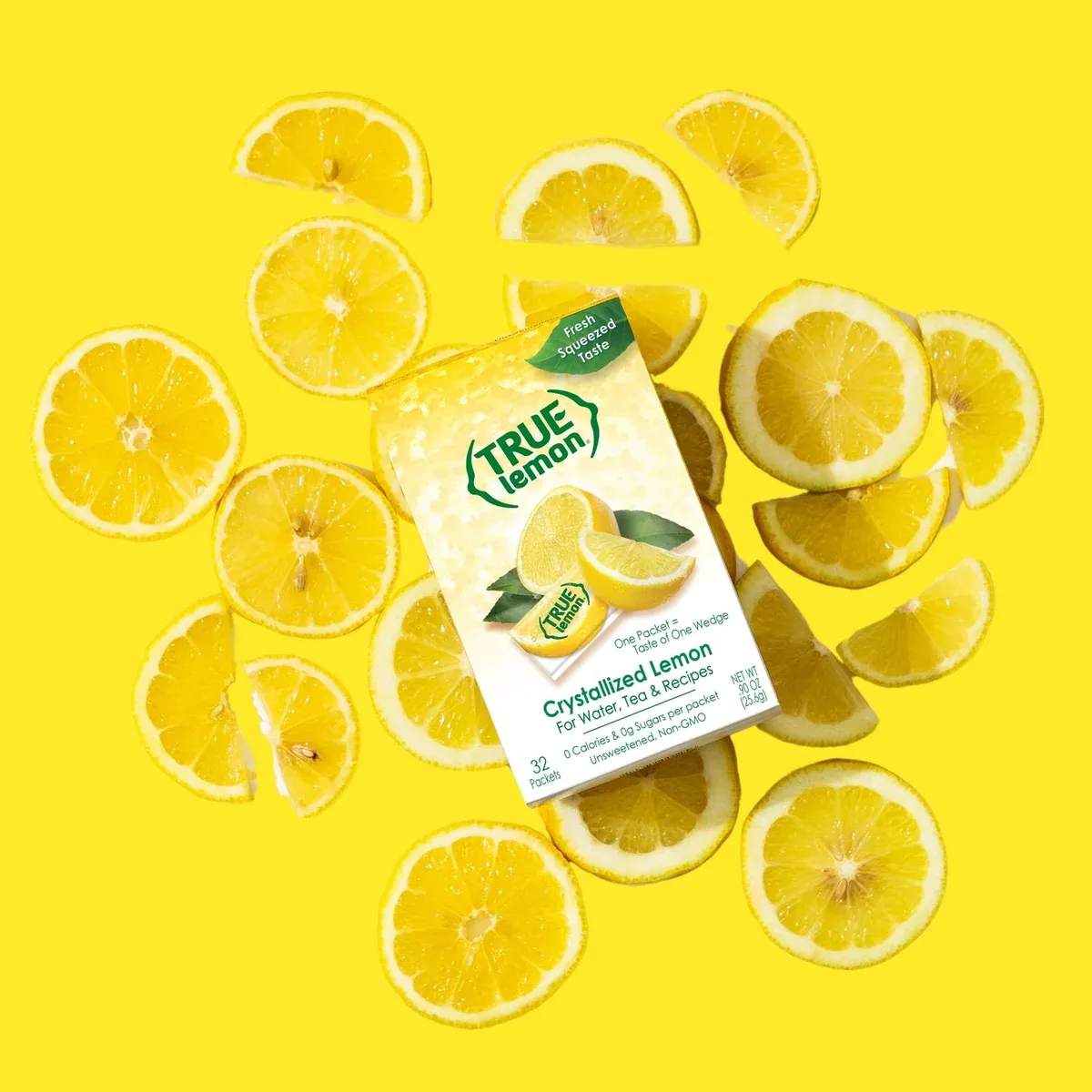
- Made with simple, Non-GMO ingredients
- NO artificial sweeteners
- 0 calories, 0 sugar, 0 sodium
- Small batch quality you can taste in every sip
- Endless uses
Antioxidant Drinks And How They Fit Into Daily Routines
Antioxidant drinks fit well into daily routines because beverages are something you're already consuming throughout the day. Drinks can make it easier to include antioxidant compounds without changing when or how you eat, since consistency feels more realistic when it's built into habits you already have.
Citrus-forward beverages are frequently discussed when people want more variety than plain water. Topics like how to stay hydrated without drinking water come up as people look for options that feel refreshing and familiar while supplying nutrients like Vitamin C.
Overall, antioxidant drinks work best when they fit seamlessly into your day. When hydration feels easy to maintain, antioxidants become part of your routine choices rather than something extra to manage.
Best Antioxidant Supplements: What To Consider
The best antioxidant supplements come up when people want a more structured way to support their intake. Supplements are typically considered alongside diet, not as a replacement for the antioxidant-rich foods and drinks you're already consuming. When considering antioxidant supplements, think about:
- Which Compounds Are Included: Some focus on single antioxidants like Vitamin C or E, while others combine multiple compounds.
- How They Fit Into Your Routine: There are plenty of different formats, including pills, powders and liquid shots. We recommend choosing one that you feel comfortable taking consistently.
- Whether They Complement Your Diet: If you already eat plenty of fruits and vegetables, you might not need an additional supplement.
- Convenience And Format: For some, options like flavored water packets make it easier to add juicy flavor and contribute to the healthier hydration habits you’re trying to build.
Antioxidant supplements make the most sense when they fill actual gaps in your diet. If you're already getting plenty of antioxidants from food and drinks alone, adding more through supplements won’t necessarily provide additional benefits.

Final Thoughts
Antioxidants tend to appear in familiar, accessible places, like fruits, vegetables, nuts, tea and citrus-based beverages. The key isn't hunting down exotic superfoods or overcomplicating your routine. When antioxidants are woven into your regular meals and beverages, they become part of your life without feeling like extra work. Small, repeated choices add up more than occasional bursts.
Frequently Asked Questions About Antioxidant Benefits
What are antioxidant benefits in simple terms?
Antioxidant benefits refer to how certain compounds help protect your body from oxidative damage caused by free radicals, which are unstable molecules produced during normal metabolism and environmental exposures (Gulcin, 2025).
Do antioxidants need to be consumed daily?
Regular intake tends to matter more than perfection. Since your body is constantly exposed to oxidative stress and doesn't store water-soluble antioxidants like Vitamin C, consistent consumption through daily foods and drinks supports ongoing cellular protection (Manetti, 2025).
Are all antioxidants the same?
No. Antioxidants include many different compounds, each with different roles and found in different foods. This is why eating a variety of foods matters.
Can antioxidants come from drinks as well as foods?
They sure can! Antioxidants are found in beverages like tea, coffee, citrus-based drinks and even wine in moderation. Since you're already drinking throughout the day, beverages are an accessible way to add antioxidants to your routine.
Are antioxidant supplements necessary for everyone?
Not necessarily. Many people get adequate antioxidants through a varied diet that includes fruits, vegetables and other plant-based foods. Supplements might make sense if you have specific deficiencies or dietary restrictions, but they're not a requirement for everyone.
How do antioxidants relate to everyday stress on the body?
Your body produces free radicals during normal metabolism, exercise and when exposed to things like UV radiation or pollution. Antioxidants help neutralize these free radicals before they can damage cells (Gulcin, 2025). It's ongoing maintenance, not a one-time fix.
Do antioxidants work immediately after consumption?
They're part of long-term cellular protection rather than something that delivers instant results. Consistent intake over time supports your body's ongoing defense systems.
Are citrus foods commonly associated with antioxidants?
Definitely. Citrus fruits contain Vitamin C, a powerful antioxidant (Manetti, 2025). This is one reason citrus shows up so often in hydration and wellness conversations.
Is there a difference between antioxidants and polyphenols?
Polyphenols are a specific category of antioxidants found in plant-based foods and drinks like berries, tea, coffee and dark chocolate (Jain et al., 2025). So all polyphenols are antioxidants, but not all antioxidants are polyphenols.
Why are antioxidants often discussed alongside hydration?
Because you're already drinking throughout the day, beverages are a great way to include antioxidants without adding extra steps to your routine. Citrus-based drinks, teas and other antioxidant-rich beverages make it easier to support both hydration and antioxidant intake at the same time.
Sources:
- Gulcin, İ. (2025). Antioxidants: A comprehensive review. Archives of Toxicology, 99, 1893–1997.https://doi.org/10.1007/s00204-025-03997-2
- Dietary supplements for immune function and infectious diseases. (2025, March 10). Office of Dietary Supplements, National Institutes of Health.https://ods.od.nih.gov/factsheets/ImmuneFunction-Consumer/
- Manetti, S. (2025, August 12). Vitamin C. In MedlinePlus Medical Encyclopedia. U.S. National Library of Medicine.https://medlineplus.gov/ency/article/002404.html
Top Sellers


True Lemon

True Lime Watermelon Limeade

True Lime Black Cherry Limeade

True Lemon Energy Strawberry Dragonfruit
