
Definition: Green tea and coffee are two of the world’s most beloved caffeinated beverages, yet they offer completely different energy experiences. Coffee delivers a fast jolt thanks to its higher caffeine content and richer flavor profile. Green tea provides a gentler, steadier lift, supported by L-theanine: a calming amino acid found in tea leaves. Together, green tea and coffee caffeine illustrate how two everyday drinks can influence focus and hydration in uniquely distinct ways.
Coffee vs. Green Tea Caffeine Profiles: Every sip begins with chemistry. According to the Center for Science in the Public Interest’s caffeine chart, an average 8-ounce cup of coffee contains 80–200 mg of caffeine, which perks up your system quickly and powerfully. Most brands of green tea, by contrast, supply around 20–40 mg of caffeine per 6-oz cup, which helps promote a more collected sense of presence. While both beverages can contribute to hydration, their formulations create noticeably different energy personalities.
Real-Life Examples:
- A morning coffee ritual may provide an immediate burst of alertness before tackling a high-focus project.
- A midday cup of green tea can offer calm concentration during a long stretch of meetings.
- A weekend swap from sweetened lattes to unsweetened green tea may help you cut back on added sugar and extra calories.
Fun Fact: The caffeine in coffee is absorbed rapidly, while green tea’s L-theanine helps smooth out the way caffeine feels in your system. This calming amino acid balances caffeine’s stimulating effects, making coffee feel more like a spike and green tea more like a gentle, sustained glide.
Key Takeaways
- Caffeine Levels: A standard 8-ounce cup of coffee contains about 80–200 mg of caffeine for a stronger boost, while green tea provides a gentler lift with roughly 20–40 mg per 6-ounce cup.
- Hydration Advantages: Both coffee and green tea still contribute to your overall hydration since their water content typically offsets caffeine’s mild diuretic effect.
- Mindful Add-Ins: Sugar, cream and pre-sweetened bottled teas can quickly increase calories, making it important to be mindful of what you add to your drink.
When comparing green tea vs. coffee caffeine, the biggest difference comes down to how each beverage delivers its energy. Coffee often contains a higher concentration of caffeine per cup, offering a fast, noticeable boost that many people rely on to jump-start their day. Green tea, on the other hand, supplies a gentler lift. Understanding how each source of caffeine interacts with your body can help you choose the option that best fits your energy needs and daily rhythm.
Hydration also plays a major role in how steady your energy feels. Both drinks still contribute to your fluid intake, or you can opt for a low-calorie, low-sugar glass of sunshine from True Lemon.

How Much Caffeine Is Really In Your Mug?
Just how much get-up-and-go are you actually sipping on? The caffeine in green tea vs. coffee each has its own unique profile. Think distant cousins who each bring different energy to the family reunion.
Coffee: The Quick-Boost Champion
A standard 8-ounce cup of brewed coffee typically contains a solid 80–200 mg of caffeine, depending on the roast and brewing method. That’s roughly the equivalent of several pep talks in liquid form. Coffee’s got your back for a rapid morning kickstart, especially if you’re tackling a mile-long to-do list with mini humans and max responsibilities.
What about espresso? A single Starbucks shot lands around 75 mg of caffeine. It’s more concentrated, but still less than a full mug of brewed coffee. And if lattes or cappuccinos are your go-tos, the added milk spreads that caffeine out a bit, creating a drink that feels more like a treat and less like rocket fuel.
Green Tea: The Gentle Encourager
Green tea is the slow-and-steady option. A 6-ounce cup usually has around 20–40 mg of caffeine. It’s a friendly nudge that still perks you up, but it’s less likely to trigger that wired, buzzy feeling. If you prefer calm focus over fast intensity, green tea tends to hit the sweet spot.
However, some varieties bring more of a punch. Matcha, the current star of the green tea world, can contain around 100 mg of caffeine per cup because you’re consuming the entire leaf. It’s still smoother than coffee for many people, but definitely stronger than traditional brewed green tea.
KNOW?
Green tea and coffee deliver caffeine differently.
Green tea provides smoother, steadier energy, while coffee offers a quicker, stronger boost making each better for different needs.
A Convenient Alternative: True Lemon Energy
If you want the smooth lift of green tea without brewing leaves or frothing milk, True Lemon Energy is a grab-and-go option that fits seamlessly into busy days. Each stick contains 120 mg of caffeine from green tea, offering a motivational boost without the jitters.
Our fan-favorite True Lemon Energy Wild Cherry Cranberry flavor brings a tart, refreshing kick made with simple, non-GMO ingredients and 100% of your daily Vitamin C. Mix one stick with 16 oz of water for a zippy, citrus-forward boost with zero calories and zero grams of sugar. It’s an easy way to make your midday spark flavorful and completely on your schedule.
So… Which One Wins?
Green tea or coffee caffeine? No matter what you pour, every glass has its own mood and magic. It just depends on what kind of pick-me-up your day calls for!

Green Tea vs. Coffee Caffeine: Impact On Daily Water Goals
Despite caffeine’s reputation, both coffee and green tea can still contribute to your daily fluid intake. For example, research shows that for people who consume a moderate amount of coffee, it still hydrates the body similarly to water. Green tea does the same, but with a lighter caffeine profile. So, it tends to be easier to sip throughout the day without feeling overstimulated, since coffee’s stronger caffeine content may be too intense for some. In other words, your morning mug isn’t undoing your hydration goals; it’s helping you meet them!
Choosing Sips That Support Your Routine
Regardless, most hydration still comes down to your water habits. If you want the best drinks for hydration without relying on caffeine, a bright, thirst-quenching glass of citrusy goodness is a great alternative. It’s a smart swap, especially if you’re researching how to make lemon water for weight loss or want something refreshing between cups of caffeinated drinks.
Many people love the benefits of lemon water, particularly how its crisp, juicy flavor makes each gulp more satisfying. It’s also easy to make, whether you enjoy it warm in the morning or cold throughout the day. For ultimate convenience, True Lemon unsweetened crystallized water enhancers provide that fresh-squeezed taste you crave with zero mess or fuss. It’s perfect for days when you need hydration to be zestfully effortless.
No matter which beverage you choose, the goal is the same: keeping your fluid levels steady and choosing options you genuinely enjoy.
A Hydration Strategy You Can Personalize
At the end of the day, both coffee and green tea can help you meet your fluid needs, and both can fit into a balanced hydration routine. Mix in caffeine-free choices like True Lemon, and you’ve got an easy, flexible way to stay refreshed. When you sip all day with a variety of beverages you love, meeting those water goals feels less like a chore and more like a daily celebration.
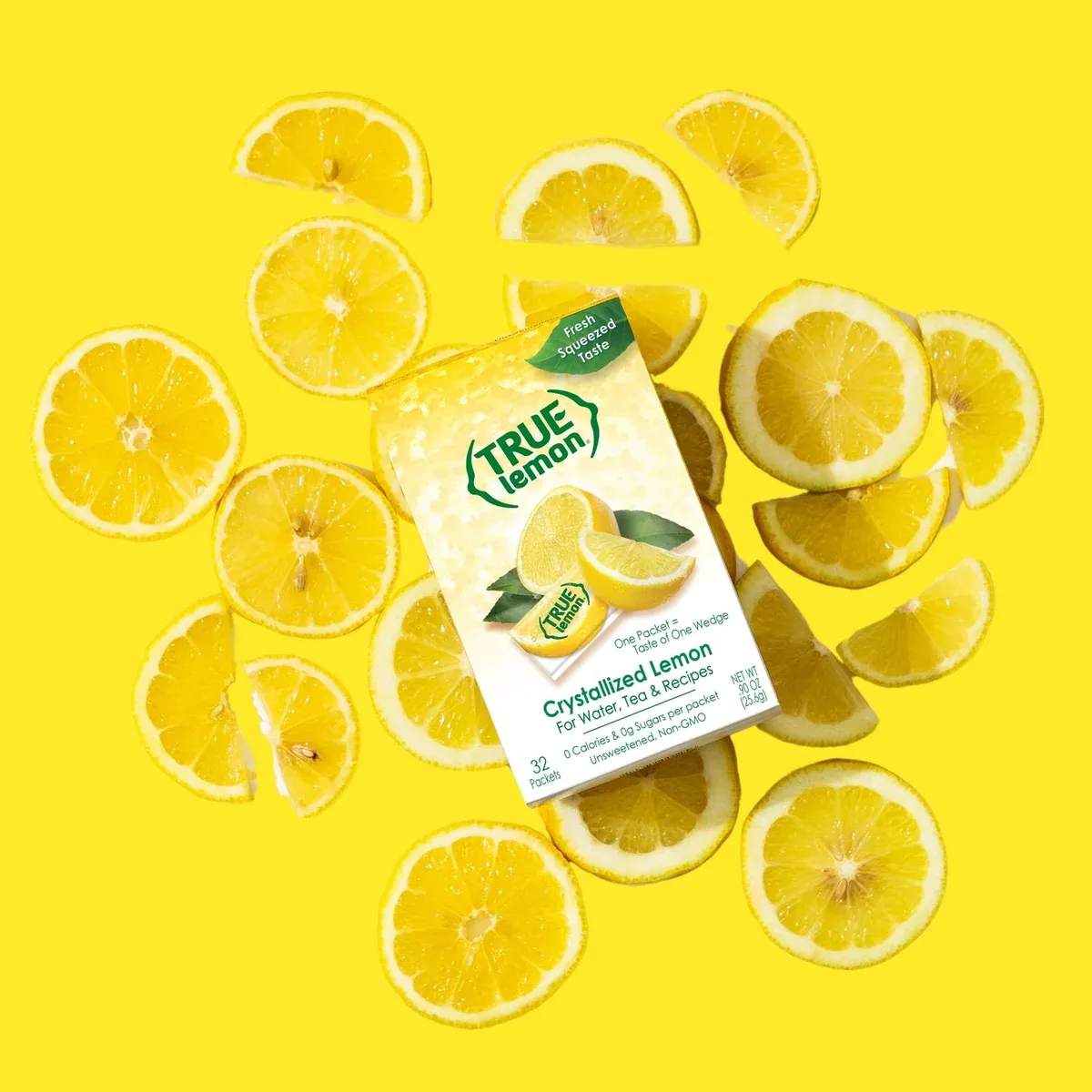
- Made with simple, Non-GMO ingredients
- NO artificial sweeteners
- 0 calories, 0 sugar, 0 sodium
- Small batch quality you can taste in every sip
- Endless uses
Calorie Count And Add-In Pitfalls
While caffeine might get all the fame, there’s a sneaky sidekick to be wary of: what you add in! Sure, plain black coffee and green tea are both impressively low in calories; we’re talking under five per cup. But how often do we drink them straight up?
A splash of cream, a spoonful of sugar, flavored syrups or that tempting dollop of whipped cream with caramel drizzle can turn a simple espresso into the calorie equivalent of a dessert. And if you’ve ever wondered, “Does sugar dehydrate you?” Too much added sugar can make maintaining your fluid levels slightly more challenging, which is another reason to keep an eye on what goes into your cup.
When “Healthy” Drinks Aren’t So Healthy
It’s easy to dress up your favorite brew and pack in hundreds of extra calories without noticing, especially when you order a specialty latte. But what about green tea? It’s often seen as a wellness hero, but bottled and pre-sweetened versions can hide more sugar than you might expect. That’s why sticking to unsweetened versions is the most reliable way to keep things light and aligned with your health goals.
If you want a flavorful alternative, citrus is an easy win. For example, our True Lemon low-sugar lemonade only contains 10 calories per stick and no artificial sweeteners; just a pinch of sugar and Stevia. It’s a great way to satisfy your sweet tooth without derailing your diet.
Small Tweaks, Big Payoff
The real transformation happens with consistent habits. Reaching for unsweetened tea, choosing black coffee more often or opting for a low-sugar citrusy twist can keep your hydration routine guilt-free and satisfying. You can keep all the happy energy and flavor you love with none of the unwanted extras!
Read Also:

Frequently Asked Questions About Green Tea vs. Coffee Caffeine
What is the caffeine content in green tea vs. coffee?
Green tea typically contains about 20–40 mg of caffeine per 6-ounce cup, making it a great option when you want a mild, easygoing lift. Coffee, on the other hand, brings a much stronger boost. An average 8-ounce cup usually lands around 80–200 mg of caffeine, sometimes more, depending on roast and brew method. If you want a gentler pick-me-up, green tea fits the bill. If you’re gearing up for a busier morning and need something bolder, coffee’s classic strength still leads the pack.
Does green tea provide a gentler energy boost than coffee?
Absolutely. Green tea’s lower caffeine concentration often creates a slower, smoother rise in alertness compared to coffee’s quick jolt.
Which is better for people with caffeine sensitivity, green tea or coffee?
Green tea usually wins here! Its lower caffeine levels and more balanced feel make it less likely to trigger jitters or restlessness. That said, reactions can vary from person to person, so paying attention to how your body responds is always the best guide.
Which beverage is less likely to cause jitters, green tea or coffee?
Green tea, hands down. With significantly less caffeine per cup, it serves up just enough pep without the rollercoaster ride. Coffee can still be a wonderful option, just know that its higher caffeine content makes it more likely to bring on that jittery feeling if you’re sensitive.
Do green tea and coffee affect hydration differently?
Surprisingly, both coffee and green tea can be hydrating! Research now shows that moderate caffeine intake doesn’t significantly dehydrate most people. Still, if you want to elevate your hydration routine or simply enjoy more variety, True Citrus offers a bright, refreshing way to drink more water with bright, citrus-forward flavor.
Are there differences in calories between green tea and coffee?
On their own, both beverages are almost calorie-free. The difference really comes from what you add in. Sugary syrups, sweeteners and flavored creamers can turn a simple black coffee or plain green tea into a mini dessert. Keeping things simple helps you stay light on calories without sacrificing taste.
Top Sellers


True Lemon


True Lemon Triple Citrus Lemonade

True Lemon Strawberry Lemonade
