Key Takeaways
- Regulatory Spotlight: Food dye regulation is evolving at both federal and state levels.
- Consumer Awareness: Ingredient transparency is driving reformulation and public debate.
- Ongoing Debate: Synthetic dyes health risks remain part of scientific and legislative discussion.
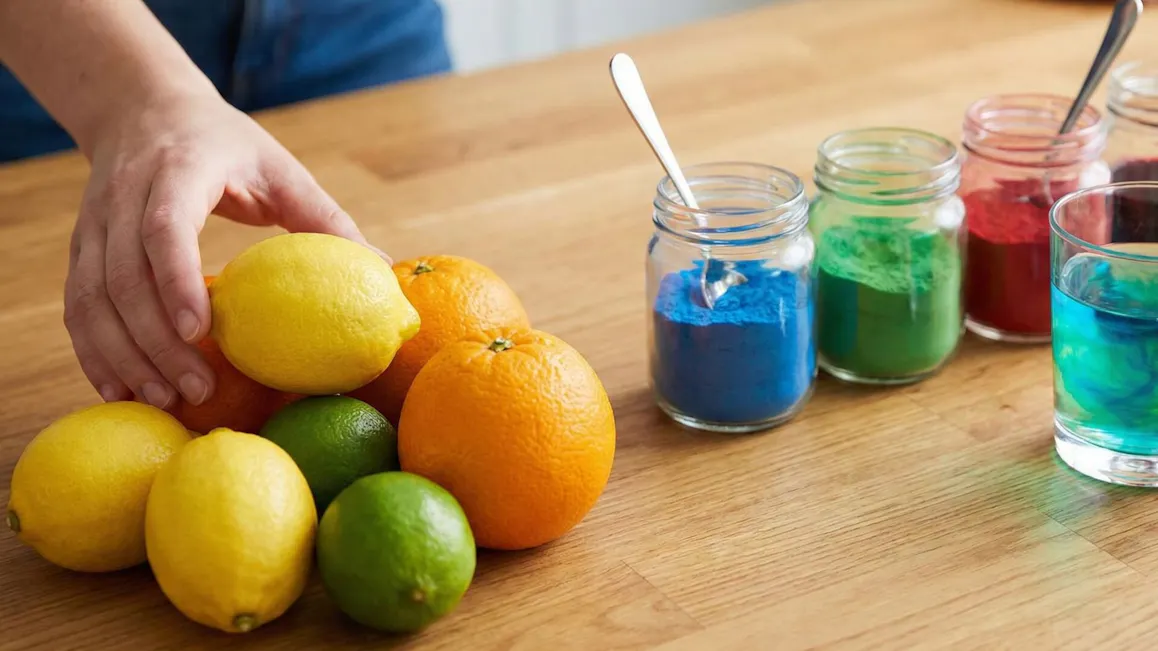
Bright candies. Neon cereals. Electric blue drinks. For decades, bold color has been part of how food grabs attention on shelves. Now, food dye bans are gaining traction across the U.S., sparking conversations about what goes into everyday products and whether those ingredients belong there at all.
Artificial dyes have long been used to enhance visual appeal. They make fruit snacks look fruitier and beverages look more vibrant. But growing concerns around ingredient transparency and potential health effects have pushed the topic into the spotlight. Parents, advocacy groups and lawmakers are increasingly asking whether certain synthetic colorings are necessary, especially when alternatives exist.
At True Citrus, we believe simple ingredients matter. We are all about that simple, non-GMO life. Our citrus-forward flavors are made with simple, non-GMO ingredients you can pronounce, no artificial sweeteners and zero to low sugar. When you know what is in your food and drinks, choices feel clearer and more confident.
In this piece, we will be discussing food dye bans, why they are gaining attention, how regulation works and what these changes could mean for consumers.
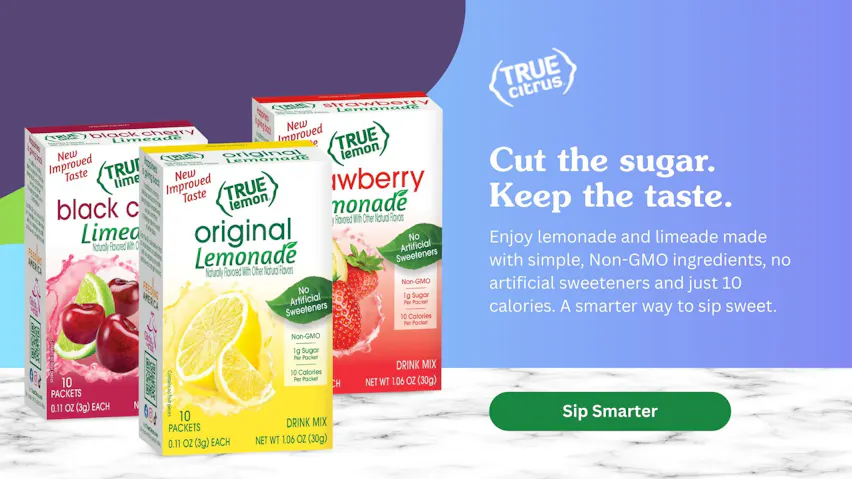
Product Spotlight: Meet True Lemon Curb
Cravings happen. Afternoon slumps hit. Sometimes you just want something sweet. True Lemon Curb was created for those moments when flavor matters but you do not want to reach for a high-sugar snack or brightly colored drink.
Each stick packet delivers real fruit flavor and key ingredients designed to support appetite awareness. It is made with purposeful, non-GMO ingredients, contains zero sugar, 15 calories per serving, and no artificial sweeteners. Just bright, satisfying flavor that makes water more interesting. Here is what makes True Lemon Curb stand out:
- Flavor That Feels Like A Treat: Strawberry, blueberry and peach blends bring a juicy twist without turning your water into dessert.
- Convenient And Portable: Keep a few packets in your bag, car or desk so you are always ready when cravings strike.
Find your favorite:
- True Lemon Curb Strawberry Fusion for bright berry flavor
- True Lemon Curb Blueberry Fusion for a deeper fruity note
- True Lemon Curb Peach Fusion for smooth, mellow sweetness
- Or keep options stocked with the True Lemon Curb Wellness Bundle
Hydration should feel satisfying. With fruit-forward flavor and thoughtfully selected ingredients, it becomes easier to stay on track.
The Growing Debate Around Artificial Food Dye Ban
The conversation around an artificial food dye ban has grown louder in recent years. What was once a niche concern is now part of broader public health discussions. Consumers are paying closer attention to ingredient labels, and lawmakers are responding to increased scrutiny.
Artificial dyes are used primarily for appearance. They help maintain consistent color, especially in processed foods and beverages that might otherwise look dull. As ingredient awareness grows, many shoppers are shifting toward simpler drink options such as flavored water packets that do not rely on synthetic coloring for visual appeal.
Supporters of tighter rules argue that if a dye serves no nutritional purpose and raises health concerns, it may not belong in widely consumed products. Others point out that regulatory agencies have approved these additives within specific limits and that research is still evolving. The debate reflects a larger shift toward transparency and simplified formulations.
KNOW?
Some of the most commonly used food dyes in the U.S. are now being closely examined
Studies and regulatory reviews suggest they may be linked to behavioral effects in children and other potential health concerns—fueling growing calls to limit or ban them altogether.
What Is Behind The Red 40 Ban Conversations
The red 40 ban discussion has become one of the most visible parts of the broader food dye debate. Red 40 is widely used in candies, cereals, beverages and snack foods, which increases overall exposure across age groups.
Here are some of the main reasons it continues to draw attention:
- Widespread Use
- Red 40 appears in a large number of everyday products, especially those marketed to children.
- Behavioral Research Questions
- Some studies have explored possible links between certain synthetic dyes and behavioral changes in children, though findings remain debated.
- International Labeling Differences
- Certain countries require warning labels for products containing specific artificial dyes, prompting consumers to question why standards vary.
- Shifting Consumer Preferences
- Growing awareness has encouraged shoppers to reconsider brightly colored drinks and explore simpler alternatives, including learning about the benefits of lemon water instead of reaching for heavily dyed beverages.
For many consumers, the issue is less about one ingredient and more about whether synthetic coloring is necessary at all.
Understanding The Yellow 5 Yellow 6 Ban Discussions
The yellow 5 yellow 6 ban discussions are part of the same broader scrutiny surrounding synthetic food colorings. Yellow 5, also known as tartrazine, and Yellow 6, often labeled as sunset yellow, are commonly used to create bright orange and yellow shades in snacks, cereals and beverages.
Like Red 40, these dyes are approved for use within regulated limits in the U.S. However, questions have been raised about possible sensitivity reactions in some individuals. Yellow 5, in particular, has been associated with allergic-type responses in a small percentage of people, especially those sensitive to aspirin. While these reactions are not widespread, they have contributed to ongoing public debate.
Another factor driving conversation is global comparison. Some countries require warning labels on products containing certain synthetic dyes, while others have reformulated products using alternative coloring sources. These differences often prompt consumers to ask why standards vary from place to place.
As awareness grows, the focus continues to shift toward ingredient transparency. For many shoppers, the concern is not just about one specific dye, but about understanding what is in everyday foods and why it is there in the first place.
How Food Dye Regulation Works In The U.S.
Understanding food dye regulation helps explain why food dye bans are complex and often slow-moving. In the United States, the Food and Drug Administration oversees color additives under the Federal Food, Drug and Cosmetic Act. Before a synthetic dye can be used in food or beverages, it must go through a review process that evaluates available safety data.
Approval And Safety Limits
When a color additive is approved, it is assigned an acceptable daily intake level. This amount is considered safe to consume each day over a lifetime. Manufacturers must stay within these limits when formulating products. The FDA also requires that certain dyes be batch-certified to ensure purity and consistency.
Labeling Requirements
Approved synthetic dyes must be listed on ingredient labels by name, such as Red 40 or Yellow 5. This transparency allows consumers to identify specific additives and make informed decisions. However, labeling rules in the U.S. do not currently require warning statements for most artificial dyes, unlike regulations in some other countries.
The Role Of State-Level Action
While federal agencies set nationwide standards, individual states can propose or pass their own legislation affecting certain additives. This is one reason conversations around states banning food dyes have gained traction. State-level efforts can sometimes move faster than federal reform, adding another layer to how regulation evolves.
Food dye regulation continues to develop as new research emerges and public awareness grows. Changes rarely happen overnight, but scrutiny and consumer demand often shape the direction of policy over time.

- Helps support hydration, the immune system and cellular health
- Plant-based antioxidants
- Balanced electrolytes
- No artificial sweeteners
- Zero sugar
Why Certain Ingredients Become Banned Food Additives
When conversations about banned food additives gain momentum, they rarely focus on color alone. Instead, they center on safety data, exposure levels and whether an ingredient provides meaningful value. In many cases, additives are reevaluated as new research becomes available or as consumption patterns change over time.
An ingredient may face restriction if evidence suggests potential health concerns at common intake levels. Sometimes the issue involves allergic reactions or sensitivity in specific populations. In other situations, concerns arise from long-term exposure studies that prompt regulators to revisit earlier approvals.
Public perception also plays a role. If consumers begin demanding neater labels or fewer synthetic ingredients, manufacturers may reformulate products even before official bans occur. This shift can influence how quickly certain additives disappear from shelves.
It is important to note that not every debated ingredient becomes banned. Regulatory agencies weigh available evidence carefully, balancing scientific findings with real-world usage data. However, growing awareness around synthetic dyes health risks has pushed more people to question why certain additives are included in everyday foods at all.
The broader trend reflects a desire for simplicity. When ingredients feel unnecessary or hard to understand, scrutiny tends to follow.
Examining Synthetic Dyes Health Risks
Discussions around synthetic dyes health risks are a major driver behind food dye bans. While approved dyes are considered safe within regulated limits, concerns continue to surface around long-term exposure and sensitive populations.
Here are several commonly cited concerns:
- Behavioral Studies In Children
- Some research has examined possible links between artificial dyes and hyper activity in children, though conclusions remain mixed.
- Sensitivity And Allergic Reactions
- A small percentage of individuals may experience mild sensitivity reactions to certain dyes.
- Cumulative Exposure
- Because synthetic dyes appear in multiple foods and beverages, total daily intake can add up over time.
- Consumer Behavior Shifts
- As this conversation expands, some people are rethinking how they hydrate and looking for guidance on how to stay hydrated without drinking water while avoiding artificially colored options.
Regulatory agencies continue to review emerging data. Debate does not automatically mean an ingredient is unsafe, but it explains why scrutiny continues to grow.
The Rise Of States Banning Food Dyes
The conversation around states banning food dyes has shifted from theory to legislative action. Several states have introduced or passed bills targeting specific synthetic dyes, particularly in products marketed to children.
As more states explore food coloring restrictions, companies may reformulate products rather than create separate versions for different markets. That often means removing synthetic colors, simplifying ingredient lists and reducing added sugars. We have already seen this shift in beverages, where consumers increasingly look for options like low-sugar lemonade made with straightforward ingredients instead of heavily colored alternatives.
This patchwork of legislation reflects growing demand for clarity and neater labels.
Final Thoughts On Food Coloring Restrictions
Food coloring restrictions are part of a broader shift toward ingredient transparency. Whether changes happen at the federal or state level, consumer awareness continues to influence reformulation.
As shoppers compare labels more closely, interest has grown in reviewing the best drinks for hydration, especially those that do not depend on synthetic dyes for appeal.
Food dye bans are not just about color. They reflect changing expectations around simplicity, clarity and what belongs in everyday foods and beverages.
Frequently Asked Questions About Food Dye Bans
Are food dye bans happening nationwide in the U.S.?
Not at the federal level yet. Some states have introduced or passed legislation targeting specific dyes, but nationwide bans would require federal regulatory action.
Why are artificial food dyes controversial?
Concerns center around potential behavioral effects in children, sensitivity reactions and long-term exposure. While approved within limits, debate continues.
Is Red 40 banned in the United States?
Red 40 is not federally banned in the U.S. It remains approved for use within regulated limits, though it is part of ongoing legislative discussions.
What is the difference between federal and state food dye regulation?
Federal agencies set nationwide safety standards, while states can pass their own restrictions, especially for schools or specific consumer products.
Are synthetic dyes harmful to everyone?
Not necessarily. Most people consume them without noticeable effects, but some individuals may be more sensitive.
Why do some countries require warning labels for food dyes?
Certain countries take a precautionary approach and require labeling to inform consumers about potential behavioral effects in children.
Do food dye bans affect beverages?
Yes. Many synthetic dyes are used in brightly colored drinks, so reformulation often impacts beverage products.
Are natural color alternatives available?
Yes. Some companies use plant-based sources for color, though they may affect shelf life or appearance.
Why are food coloring restrictions gaining momentum now?
Increased ingredient awareness, consumer advocacy and evolving research have brought more attention to synthetic additives.
Will food dye bans make food safer?
That depends on perspective. Supporters believe restrictions reduce unnecessary exposure, while others argue current limits are already considered safe.
Sources:
- MILLER, M. D., STEINMAUS, C., GOLUB, M. S., CASTORINA, R., THILAKARTNE, R., BRADMAN, A., & MARTY, M. A. (2022). Potential impacts of synthetic food dyes on activity and attention in children: a review of the human and animal evidence. Environmental Health, 21(1). https://doi.org/10.1186/s12940-022-00849-9
- Chung, K.-T. (2016). Azo dyes and human health: A review. Journal of Environmental Science and Health, Part C, 34(4), 233–261. https://doi.org/10.1080/10590501.2016.1236602
Top Sellers


True Lemon

True Lemon Strawberry Lemonade


True Lemon Triple Citrus Lemonade

True Lemon Energy Strawberry Dragonfruit
The Happy Taste of Simplicity
We care about our products & the ingredients as much as you do! Our carefully crafted products give you the best flavor without wondering what's in them.
Shop Now