
Key Takeaways:
- Plant-Based Protection: Ellagic acid is a plant-based antioxidant that shows promise in laboratory studies for defending cells against oxidative stress.
- Highly Accessible: You can find ellagic acid in everyday foods like berries, pomegranates, walnuts and pecans.
- Easy To Eat: Since ellagic acid is found in popular fruits like strawberries and blackberries, it’s effortless to incorporate more of this nutrient into your diet.
What if supporting your wellness was as simple as reaching for a handful of juicy berries or crunchy walnuts? Honestly, why not both? Many of us are looking for hassle-free ways to stay on top of our game and remain energized, especially when juggling busy schedules and family life. The good news is that Mother Nature provides compounds like ellagic acid in delicious whole foods you probably already know and love.
At True Lemon, we're passionate about making holistic hydration the highlight of your day. We believe that small choices add up, and with our functional, wellness-based drink mixes, all it takes is a crisp sip to brighten up your afternoon and give your cells something to smile about. That’s part of why we’re committed to sharing science-backed information about compounds you can find in nutritious foods.
In this piece, we'll go over what current research suggests about ellagic acid benefits and teach you where to find it. Let’s dive in!
What Is Ellagic Acid?
Ellagic acid is a naturally occurring polyphenolic compound found in various fruits and nuts (Sharifi-Rad et al., 2022). Polyphenolic simply means it belongs to the polyphenol family, which is a broad group of plant-based compounds known for their antioxidant benefits and their role in supporting cellular health. For instance, one of the top acerola cherry benefits is that its rich blend of Vitamin C and polyphenols may support collagen and keep your skin looking youthful and radiant. When you combine that impressive antioxidant profile with the bursting, tart-sweet taste of cherries, we call that a serious win-win.
But let’s get back to the star of the show: ellagic acid. This particular antioxidant has been studied in laboratory settings and animal models for its potential to influence cellular health and inflammatory pathways. When you eat foods containing ellagitannins or ellagic acid, your gut bacteria can metabolize them into compounds called urolithins, which may be more bioavailable and contribute to observed biological effects (Sharifi-Rad et al., 2022).
Think of ellagic acid as one of many powerhouse plant compounds that work together to support your wellness. It's not a magic bullet, but rather part of a varied, well-rounded diet. The beauty of ellagic acid is that you don't need fancy supplements to get it. Rather, it's already present in fresh, whole foods you probably already can’t get enough of.

Product Spotlight: Get Your Ellagic Acid The Tasty Way
You’re currently reading about what ellagic acid can do. Here's the easiest way to actually get it into your system in no time, even when you’re on the go. True Lemon Defend is a functional drink mix that sources its ellagic acid from pomegranates, and unlike eating the whole fruit every day, it takes about three seconds to prepare. Here's what makes it worth reaching for:
- Confirmed Bioavailable Ellagic Acid: True Lemon Defend's Phyto True™ Antioxidant Blend includes ellagic acid sourced from pomegranates alongside three complementary antioxidants: Vitamin C from acerola cherries, hesperidin from citrus peels and EGCG from green tea. All four have been independently tested and confirmed to cross the intestinal barrier. Notably, ellagic acid absorbs better in our formula than on its own, and the other three antioxidants absorb just as effectively together as separately.
- 300mg Total Antioxidant Blend: Each packet delivers the full plant-based Phyto True™ profile in a single serving, which is a meaningful, verified dose rather than a token inclusion.
- 600mg Balanced Electrolytes: Sodium and potassium in the ideal ratio are added to help support hydration at the cellular level. Antioxidants work best when your body is well-hydrated, and True Lemon Defend handles both in the same glass.
- Zero Sugar: At just 15 calories per packet, you’ll find a combination of purposeful, non-GMO ingredients inside that are sweetened with Stevia and no artificial sweeteners. That translates into guilt-free sipping, every time.
- Three Crave-Worthy Flavors: Available in Berry Blend, Citrus Blend and Raspberry Lime Blend, you can pick your favorite or rotate through all three with the Variety Bundle, featuring 12 packets of each. Just mix one packet into 20–24 oz. of cold water, shake or stir and you're done!
Whether you're actively building a wellness routine or just looking for a smarter daily drink, True Lemon Defend turns your water into something that works as hard as you do.
KNOW?
Your energy levels depend on more than caffeine.
Sleep, hydration, balanced nutrition, and regular movement all play a key role in staying energized.
Ellagic Acid For Cellular Health Support
Learning what ellagic acid does inside your body requires a quick look at the landscape of cellular health. Specifically, the two processes that ellagic acid is most studied in relation to: oxidative stress and inflammation. The thing is, neither is inherently bad. Both are normal parts of how your body functions. Instead, the research interest lies in what happens when these processes go unchecked over time, and whether plant compounds like ellagic acid can play a supportive role. If you're already in the habit of reaching for antioxidant-rich foods and drinks, our article on the top 20 reasons to reach for lemon water is a good reminder of how much your daily citrus habit may be doing in this area. And luckily, ellagic acid is a wonderful extension of that thinking.
Ellagic Acid Antioxidant Properties
Antioxidants are compounds that may help neutralize free radicals and reduce oxidative damage to cells (Gulcin, 2025). Ellagic acid demonstrates antioxidant activity in laboratory studies, and while its direct effects in humans are shaped by how it's metabolized, often into urolithins by gut bacteria before it can be absorbed, it's still considered a meaningful part of a polyphenol-rich diet (Sharifi-Rad et al., 2022). The practical takeaway is less about ellagic acid as a standalone solution and more about the cumulative effect of regularly eating foods that are rich in it. Pomegranates, berries, walnuts and pecans all bring ellagic acid alongside a wider range of complementary plant compounds.
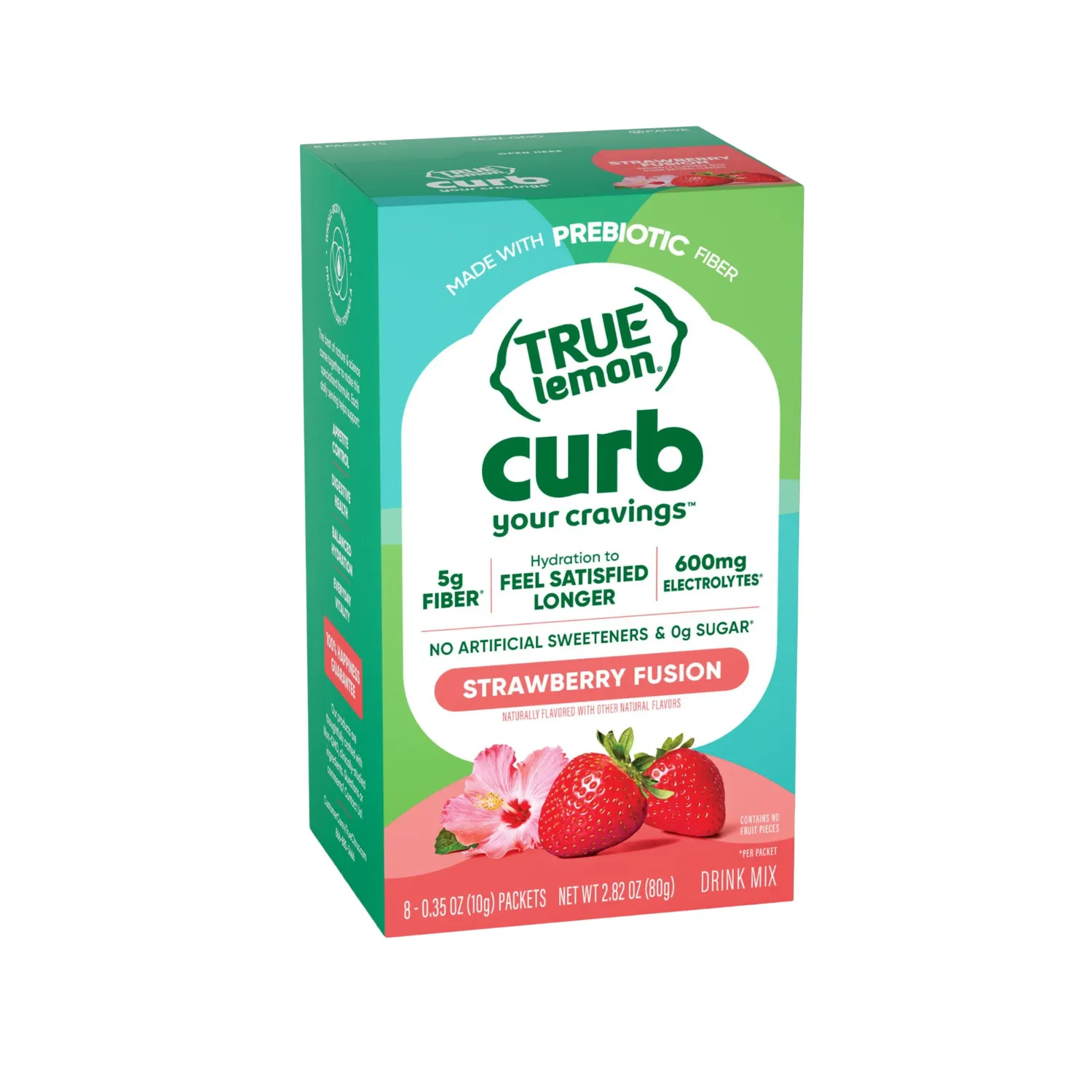
- Support appetite control
- Helps Gut Health
- Weight management
- Optimized Hydration
- Zero Sugar Solution
Free Radical Protection
Free radicals are unstable molecules produced during normal metabolic activity that tend to be amplified by external factors like UV exposure, pollution and stress (L. Pham-Huy & C. Pham-Huy, 2008). Some free radical production is necessary and useful, as immune cells use them as part of their defense function, but when production outpaces the body's antioxidant capacity, oxidative stress can accumulate. Laboratory studies suggest ellagic acid may influence these pathways, though, as noted above, its bioavailability in humans means its direct impact is still an active area of research (Sharifi-Rad et al., 2022). What's clearer is the advantage of building a varied diet around polyphenol-rich foods that collectively support antioxidant defenses.
Anti-Inflammatory Compound
Inflammation is your body's typical response to stress and injury, and it’s entirely normal and very much needed in the short term. The research interest around ellagic acid and inflammation centers on what happens with chronic, low-grade inflammatory activity, which is a different scenario. Laboratory and animal studies suggest ellagic acid and its metabolites may influence certain inflammatory pathways, though human evidence is still developing and results will likely vary based on individual factors like gut microbiome composition and overall diet quality (Sharifi-Rad et al., 2022).
Practically, the most important thing to remember is that no single superfood flips a switch on inflammation. What tends to support better immune balance over time is a consistent pattern, usually featuring a delicious, nutrient-rich diet, adequate hydration and exercise habits that add up. How you hydrate matters more than most people give it credit for, which is why drinks like good ol’ H2O and minimally processed vitamin water alternatives often come up in the wellness conversation. Basically, ellagic acid is one piece of a larger picture worth building deliberately.

Where Does Ellagic Acid Come From?
Ellagic acid benefits come from tasty, accessible foods. Berries lead the pack, and strawberries, raspberries and blackberries are particularly rich sources (Sharifi-Rad et al., 2022). Pomegranates are another powerhouse, offering high concentrations of this compound (Sharifi-Rad et al., 2022). The broader pomegranate polyphenol benefits extend well beyond ellagic acid alone, as they contain a rich mix of complementary plant compounds that work together, making them one of the more nutritionally compelling fruits you can add to your routine. From there, nuts such as walnuts and pecans also provide this antioxidant, making them perfect for snacking. Grapes, both red and green, round out the list of ellagic acid sources you can easily find at any grocery store.
That said, getting more ellagic-acid-rich foods into your day doesn't require a complete diet overhaul. Start by tossing berries into your yogurt, oatmeal or smoothies for a delightfully sweet boost that doesn’t do too much. Alternatively, if you like a little texture, you can definitely snack on a handful of walnuts or pecans between meals. Better yet, combine fresh berries with nuts for a nutrient-packed trail mix. The key is making these whole foods a regular part of your routine rather than treating them as occasional additions.

Final Thoughts
Including ellagic-acid-rich foods like berries, pomegranates, walnuts and pecans in your diet may offer potential antioxidant benefits supported by laboratory research. While human evidence remains limited, these whole foods provide numerous nutrients and can be delicious additions to a balanced eating pattern (Sharifi-Rad et al., 2022).
At True Citrus, we believe that living a well-hydrated life doesn't have to be complicated. Sometimes the best choices are the simplest ones, and you can start today by getting more thirst-quenching liquids in your system, enjoying a variety of juicy fruits and choosing products that support your wellness goals. Here's to living true and feeling your best, one refreshing sip at a time!
Frequently Asked Questions About Ellagic Acid Benefits
What is ellagic acid?
Ellagic acid is a polyphenolic compound that has been gaining attention for its potential antioxidant and other wellness-promoting properties (Sharifi-Rad et al., 2022).
Where can you find ellagic acid in whole foods?
You'll find high concentrations of ellagic acid in strawberries, raspberries, blackberries, pomegranates, walnuts and pecans (Sharifi-Rad et al., 2022).
How does ellagic acid support cellular health?
Laboratory and preclinical studies suggest ellagic acid may influence cellular antioxidant and inflammatory pathways, but more human research is needed (Sharifi-Rad et al., 2022).
How does ellagic acid help fight free radicals?
Ellagic acid shows antioxidant activity in laboratory studies and may contribute to antioxidant defenses, though direct effects in humans are typically limited by low bioavailability (Sharifi-Rad et al., 2022).
Which fruits contain the most ellagic acid?
Raspberries, strawberries, blackberries and pomegranates are among the richest dietary sources of ellagic acid (Sharifi-Rad et al., 2022).
How much ellagic acid do you need daily?
There is no official daily requirement or optimal intake level for ellagic acid. That said, if you enjoy fruits such as berries and pomegranate, they can be a wonderful addition to a varied diet.
Sources:
- Sharifi-Rad, J., Quispe, C., Castillo, C. M. S., Caroca, R., Lazo-Vélez, M. A., Antonyak, H., Polishchuk, A., Lysiuk, R., Oliinyk, P., De Masi, L., Bontempo, P., Martorell, M., Daştan, S. D., Rigano, D., Wink, M., & Cho, W. C. (2022). Ellagic Acid: A Review on Its Natural Sources, Chemical Stability, and Therapeutic Potential. Oxidative medicine and cellular longevity, 2022, 3848084. https://doi.org/10.1155/2022/3848084 (Retraction published Oxid Med Cell Longev. 2024 Jan 9;2024:9801541. doi: 10.1155/2024/9801541.)
- Gulcin İ. (2025). Antioxidants: a comprehensive review. Archives of toxicology, 99(5), 1893–1997. https://doi.org/10.1007/s00204-025-03997-2
- Pham-Huy, L. A., He, H., & Pham-Huy, C. (2008). Free radicals, antioxidants in disease and health. International journal of biomedical science : IJBS, 4(2), 89–96.
Top Sellers


True Lemon

True Lime Watermelon Limeade

True Lime Black Cherry Limeade

True Lemon Energy Strawberry Dragonfruit
