
Key Takeaways:
- More Than Just Vitamin C: Citrus bioflavonoids like Hesperidin are a distinct class of compounds found alongside Vitamin C in citrus, and they bring their own plant-powered goodness to the table.
- Peel Power: Citrus bioflavonoids are most concentrated in the peel and pith, the parts we usually toss.
- Everyday Wellness: Citrus bioflavonoids are often studied in regards to heart health and immunity support.
You've probably heard that eating citrus is good for you. The Vitamin C gets most of the credit, and fairly so. But there's a whole class of plant compounds in those same fruits that rarely make the headlines and probably deserve more of one.
At True Citrus, adding some much-needed zest to life is our whole thing. We've spent years crystallizing the fresh-squeezed taste of lemon, lime, orange and grapefruit into convenient drink mixes that make it easy to get that bright, sunshiney goodness into your glass. That said, knowing what's in citrus goes a long way toward appreciating why it earns its reputation as a nutritional powerhouse.
So, what are citrus bioflavonoids? In this piece, we'll cover what they are, what the research says about their potential benefits and how Hesperidin in particular shows up as a key player.
What Exactly Are Bioflavonoids?
Bioflavonoids are a large group of naturally occurring plant compounds, also called polyphenols, found in fruits, vegetables and other plant-based foods. The term "bioflavonoid" is sometimes used interchangeably with "flavonoid," though bioflavonoid tends to specifically refer to the compounds found in food rather than isolated synthetic versions.
These compounds were originally studied in the mid-20th century for their potential to enhance the effects of Vitamin C. Early researchers called them "Vitamin P" because of their supposed influence on vascular permeability, which is how easily the walls of blood vessels let fluids, nutrients and immune cells move between the bloodstream and surrounding tissues. (Weseler & Bast, 2017). That name didn't stick, but the research interest in flavonoids has only grown since then. Today, they represent one of the most studied groups of plant compounds in nutritional science, and citrus happens to be one of the richest sources.

Product Spotlight: Deliciously Drinkable Citrus Bioflavonoids
True Lemon Defend was built around the idea that your daily glass of water should do way more than just hydrate, and Hesperidin, sourced from citrus peels, is a star player in this functional drink mix. Each packet delivers 300mg of our purposeful, non-GMO Phyto True™ Antioxidant Blend, which includes plant-based Hesperidin from citrus peels alongside Vitamin C from acerola cherries, Ellagic Acid from pomegranates and EGCG from green tea. All four antioxidants have been independently tested and confirmed to cross the intestinal barrier, meaning they have verified bioavailability that your body can work with. Three absorb just as effectively together as they do separately, and Ellagic Acid actually absorbs better in the formula than on its own!
At just 15 calories per packet with zero sugar, no artificial sweeteners and 600mg of balanced electrolytes for cellular hydration support, True Lemon Defend transforms a glass of ordinary water into a tasty, immunity-boosting sip. Available in Berry Blend, Citrus Blend and Raspberry Lime Blend (or grab the Variety Bundle with 12 packets of each), just mix one packet into 20–24 oz. of cold water, shake and gulp it down with a smile. Better yet, it’s compact enough to live in your bag, your desk or your car, it's as easy to maintain as it is to enjoy. For more options, our Daily Immune Support Drinks collection is worth browsing.
KNOW?
Your energy levels depend on more than caffeine.
Sleep, hydration, balanced nutrition, and regular movement all play a key role in staying energized.
Common Types Of Citrus Bioflavonoids
Citrus fruits contain several distinct bioflavonoids, each with its own structure, abundance and area of research interest. Knowing the main ones helps you make sense of ingredient labels and supplement claims.
Hesperidin Bioflavonoids
Hesperidin is the most abundant bioflavonoid in citrus and the one with the deepest research record. It's found primarily in orange and lemon peels, with sweet orange peel containing particularly high concentrations, up to 600 mg/L in the juice (Meneguzzo et al., 2020). Research on Hesperidin covers a wide range of possible perks, most notably its antioxidant activity (Ogunro, 2025).
Naringenin And Naringin
Naringenin is the active metabolite of naringin, and both are found in particularly high concentrations in grapefruit. Naringenin is the form more readily absorbed by the body and has been studied for antioxidant and anti-inflammatory properties (Shin & Shin, 2024). Meanwhile, naringin contributes to grapefruit's characteristic bitterness.
Quercetin And Rutin
Quercetin shows up in citrus alongside a long list of other plant foods like onions, apples and berries, and is one of the most broadly studied flavonoids in the nutrition world. Rutin is a closely related compound found in the white inner peel of citrus fruit. Both have been studied for antioxidant and anti-inflammatory activity, and both are good reminders that the pith most people toss in the trash is pulling some weight (Patil et al., 2013).

Citrus Bioflavonoids Benefits: What The Research Says
Hesperidin is one of the most important citrus bioflavonoids, so it's worth covering what the evidence actually says, including where it's more established and where it's still developing.
Bioflavonoids For Immune Support
Hesperidin's antioxidant properties are among the better-established aspects of its research profile. A 2025 review of the existing Hesperidin research found that it may help protect cells from oxidative damage. Essentially, it helps neutralize free radicals, the unstable molecules that can cause cellular wear and tear over time, and may support the body's own antioxidant defenses (Ogunro, 2025).
Cardiovascular Support
A 2023 systematic review and meta-analysis found that Hesperidin supplementation was associated with noteworthy reductions in total cholesterol and systolic blood pressure in adults, though researchers noted that more work is needed to pin down optimal dosing and long-term outcomes (Khorasanian et al., 2023). Lab and animal studies have suggested broader effects on vascular health too, though the jump from a petri dish to a human body is always the part that takes time to fully establish. If you're curious how other plant-based antioxidants fit into a similar picture, our piece on Pomegranate Extract Benefits is worth a look.
Bioavailability: Why It Matters
One of the most crucial yet frequently overlooked aspects of Hesperidin research is bioavailability, or the extent to which a compound crosses the intestinal barrier and becomes available for the body to use. Not all Hesperidin in a supplement or food is absorbed equally, and the form it's in, what it's consumed with and individual gut microbiome differences all affect how much the body uses. This is exactly why verified bioavailability testing matters when evaluating supplements that include Hesperidin.
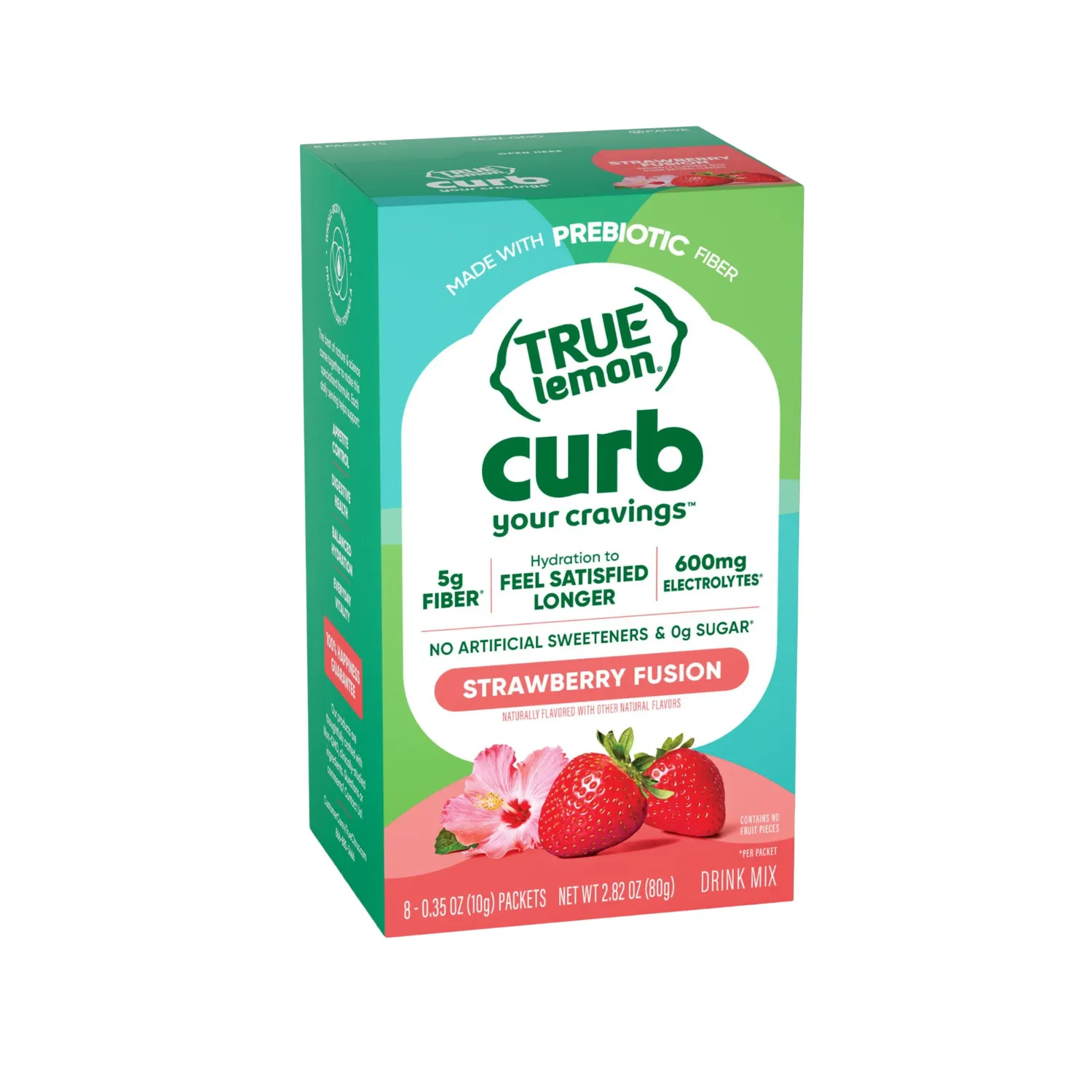
- Support appetite control
- Helps Gut Health
- Weight management
- Optimized Hydration
- Zero Sugar Solution
How To Get More Citrus Bioflavonoids Into Your Daily Routine
The most direct route is a whole citrus fruit, pith and all. That white, spongy layer most people discard is actually where a lot of the bioflavonoid action happens, which means eating the segments with the membranes intact gets you more than juicing ever will. Regularly eating large amounts of citrus peel isn't exactly practical, though, which is where supplements do a lot of the heavy lifting for you. Here are a few easy ways to work more in:
- Eat The Whole Fruit When You Can: Skip the juicer, eat the orange and leave the white membrane on the segments. It’s marginally more effort than cracking open a juice box, but considerably more rewarding on the bioflavonoid front.
- Use Citrus Zest: The peel is the treasure chest, so zesting a lemon or orange into dressings, marinades or baked goods is one of the simplest ways to capture those peel-based compounds without having to think too hard about it.
- Look For Named Sources On The Label: If Hesperidin specifically is on the label with a named source (like citrus peel extract) and independent absorption testing behind it, you know it's the real deal. Vague "bioflavonoid complex" claims with no further detail are a different story.

Final Thoughts
Citrus bioflavonoids represent one of the more compelling areas of nutritional research precisely because they're so abundant in foods most people already eat. The research is interesting, even if some areas still need more rigorous human clinical data before firm conclusions can be drawn.
What's clearer is that getting these compounds from recognizable sources, in bioavailable forms, is a smarter (and tastier!) approach than hoping a vague "bioflavonoid complex" on a label is giving you what you need. At True Citrus, we take ingredient transparency seriously, and that's why what goes into every packet is something worth understanding.
Frequently Asked Questions About What Citrus Bioflavonoids Are
What are citrus bioflavonoids?
They're a group of naturally occurring plant compounds called polyphenols that are found in citrus fruits, particularly in the peel and pith. Hesperidin, naringenin, diosmin, quercetin and rutin are among the most commonly studied.
What is Hesperidin, and where does it come from?
Hesperidin is the most abundant bioflavonoid in citrus, found especially in orange and lemon peels. It's a flavanone, a subgroup of flavonoids, and is the compound most frequently studied for antioxidant effects.
Are citrus bioflavonoids the same as Vitamin C?
No. Vitamin C is a distinct nutrient, while bioflavonoids are a separate class of plant compounds. They often occur together in citrus fruits and may work in complementary ways, but they're different molecules with unique mechanisms.
Do citrus bioflavonoids actually do anything for your health?
The research is promising, particularly for Hesperidin's antioxidant properties. That said, more research is needed to establish optimal dosing and long-term outcomes. They're best understood as a meaningful part of a balanced diet alongside regular exercise, hydration and restful sleep.
How can I get more citrus bioflavonoids in my diet?
Eat whole citrus fruit (including the white pith), use citrus zest in cooking and choose functional supplements or drink mixes that use named, independently tested bioflavonoid sources.
Sources:
- Weseler, A. R., & Bast, A. (2017). Masquelier's grape seed extract: from basic flavonoid research to a well-characterized food supplement with health benefits. Nutrition journal, 16(1), 5. https://doi.org/10.1186/s12937-016-0218-1
- Meneguzzo, F., Ciriminna, R., Zabini, F., & Pagliaro, M. (2020). Review of Evidence Available on Hesperidin-Rich Products as Potential Tools against COVID-19 and Hydrodynamic Cavitation-Based Extraction as a Method of Increasing Their Production. Processes, 8(5), 549. https://doi.org/10.3390/pr8050549
- Ogunro O. B. (2025). An updated and comprehensive review of the health benefits and pharmacological activities of hesperidin. Biochemical and biophysical research communications, 772, 151974. https://doi.org/10.1016/j.bbrc.2025.151974
- Shin, J. H., & Shin, S. H. (2024). A Comprehensive Review of Naringenin, a Promising Phytochemical with Therapeutic Potential. Journal of microbiology and biotechnology, 34(12), 2425–2438. https://doi.org/10.4014/jmb.2410.10006
- Patil, S. L., Mallaiah, S. H., & Patil, R. K. (2013). Antioxidative and radioprotective potential of rutin and quercetin in Swiss albino mice exposed to gamma radiation. Journal of medical physics, 38(2), 87–92. https://doi.org/10.4103/0971-6203.111321
- Khorasanian, A. S., Fateh, S. T., Gholami, F., Rasaei, N., Gerami, H., Khayyatzadeh, S. S., Shiraseb, F., & Asbaghi, O. (2023). The effects of hesperidin supplementation on cardiovascular risk factors in adults: a systematic review and dose-response meta-analysis. Frontiers in nutrition, 10, 1177708. https://doi.org/10.3389/fnut.2023.1177708
Top Sellers


True Lemon


True Lemon Triple Citrus Lemonade

True Lemon Strawberry Lemonade
