
Key Takeaways
- Inulin Feeds Your Gut: This prebiotic fiber nourishes good guy bacteria, potentially creating a more harmonious digestive environment.
- Multiple Forms Fit Different Lifestyles: Whether you prefer powder, capsules or whole foods, there's an inulin option that works for your routine.
- Start Slow For Best Results: Gradually introducing inulin helps your body adjust and minimizes digestive discomfort.
What if the secret to better digestion was feeding the trillions of bacteria already living in your gut? Your digestive system hosts a complex ecosystem that needs the right fuel to thrive, and that's exactly what inulin provides.
At True Citrus, we're committed to helping you make delicious, feel-good choices that fit into your busy life. We know that wellness isn't about complicated routines. Rather, it's about small, practical swaps that add up to positive changes. That's why we're passionate about sharing straightforward information on ingredients that support your wellness journey.
In this piece, we'll walk through what inulin is, how it supports your digestive system, the inulin supplement forms available and how to choose a quality product that works for you.
What Is Inulin?
Inulin is a soluble fiber and prebiotic that’s primarily extracted from plant roots (Holscher, 2017). Unlike other fibers that break down quickly, inulin travels through your upper digestive tract intact, reaching your colon where it becomes food for your gut bacteria.
Chicory Root Inulin
Most inulin supplements come from chicory root, a plant that's been used for centuries in food and traditional wellness practices. Chicory root is one of the primary commercial sources of inulin and is widely used for industrial extraction due to its substantial inulin content in dry matter. This extraction process preserves the fiber's prebiotic properties while creating a versatile powder or ingredient.
Inulin Fiber Benefits
To start, inulin-type fructans may improve bowel regularity and modestly influence satiety (Alonso-Allende et al., 2024). Research suggests that inulin may also support glycemic control in some populations, though effects vary by individual metabolic status and dose (Alonso-Allende et al., 2024). Additionally, inulin might enhance calcium absorption, potentially contributing to bone health (Bakirhan & Karabudak, 2023).

Potential Side Effects And Considerations
Starting an inulin supplement can cause temporary gas, bloating or stomach cramping as your stomach adjusts to the increased fiber. Thankfully, these effects typically fade within a few weeks. Generally speaking, beginning with a small dose (around 2-3 grams daily) and gradually increasing helps lessen the risk of discomfort.
Product Spotlight: Prebiotic Fiber That Actually Tastes Good
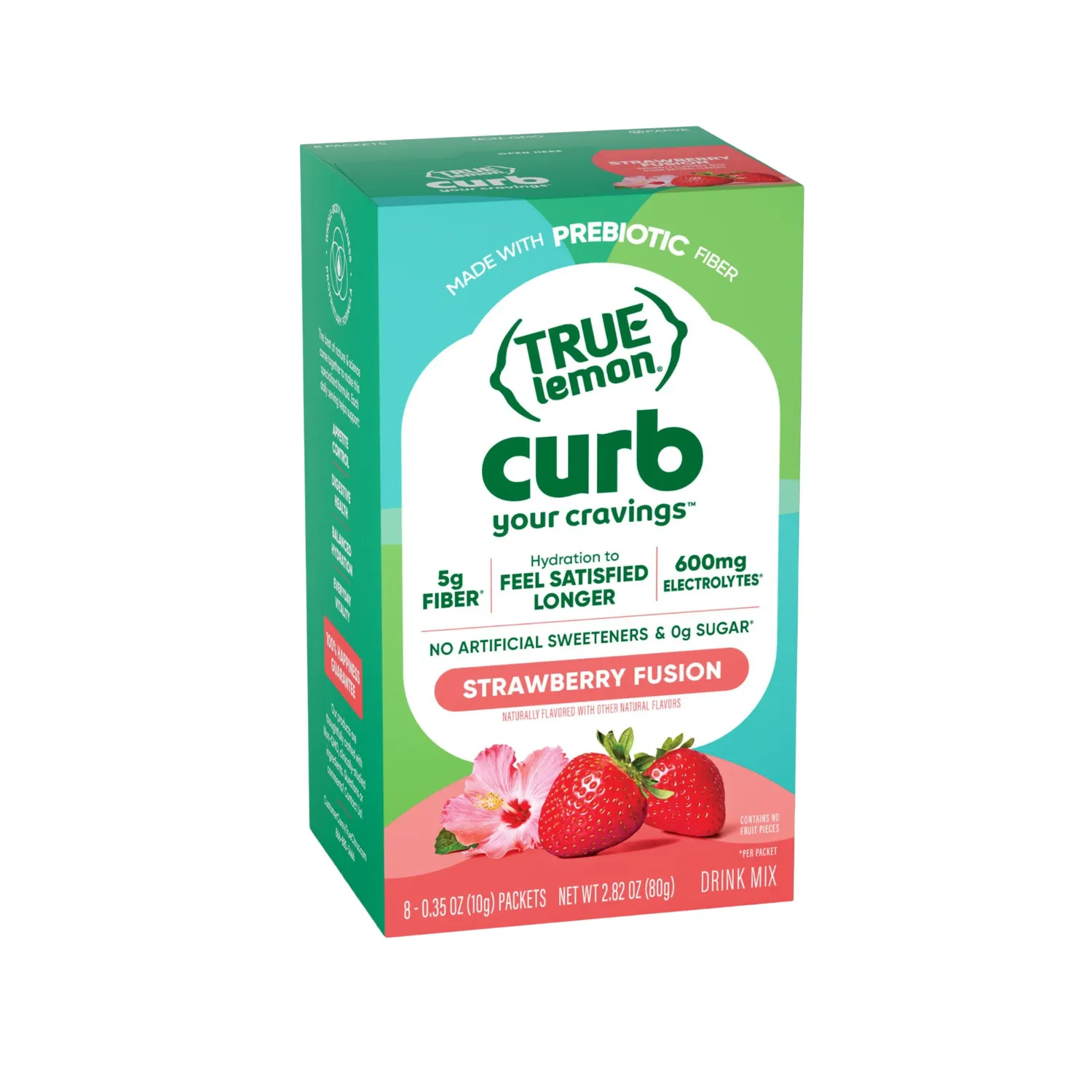
Getting 5 grams of prebiotic fiber into your day doesn't have to mean choking down a chalky powder or remembering to take another capsule. True Lemon Curb puts it all in a single delicious drink mix that dissolves into your water bottle in seconds. Plus, it’ll help you hit those hydration goals while you're at it. If you're also working on figuring out how to stop sugar cravings, this one pulls double duty.
- 5g Of Prebiotic Fiber Per Serving: Each packet delivers a meaningful dose of fiber that may help support satiety and digestive health. It’s the same kind of dietary support this whole article is about, minus the pill.
- Purposeful, Non-GMO Formula: You’ll get chlorogenic acid from green coffee bean extract for everyday metabolism, 30mg of caffeine from green tea to help with sustained energy and 600mg of balanced electrolytes for optimal hydration support. These superstar ingredients all earn their place on the label.
- Zero Sugar, Low Calorie: With just 15 calories, zero sugar and no artificial sweeteners per serving, True Lemon Curb fits into keto, Mediterranean, low-carb and intermittent fasting routines without a second thought.
- Three Mouthwatering Flavors, Total Convenience: Choose from Blueberry Fusion, Peach Fusion and Strawberry Fusion, or grab a Variety Bundle to try 8 packets of each. Once you’ve locked in your flavor, all you have to do is mix one into 20–24 oz. of cold water whenever cravings hit!
KNOW?
Inulin is a natural prebiotic fiber that nourishes beneficial gut bacteria
By helping these microbes thrive, it may support healthy digestion, regular bowel movements, and overall gut health.
How Inulin Works In Your Digestive System
Inulin's perks come from its unique pathway through your body and its interaction with your gut microbiome.
Feeding Your Good Bacteria
When inulin reaches your colon, beneficial bacteria ferment it through a process that produces short-chain fatty acids like butyrate, acetate and propionate (Holscher, 2017). These compounds fuel the cells lining your colon and participate in immune and inflammatory regulation (Holscher, 2017). Additionally, research suggests that inulin reliably increases Bifidobacterium abundance, which is a bacterium that may help with regular bowel movements, creating an environment that supports digestive health (Baba et al., 2023).
Promoting Digestion
Inulin for gut health works by adding bulk to stool and drawing water into your intestines, which promotes regular, comfortable bowel movements. The fermentation process also lowers your colon's pH level, creating conditions that support smoother digestion. In fact, some people may notice changes in bowel regularity within several weeks of consistent inulin supplementation.
Supporting Nutrient Absorption
Inulin fermentation may enhance mineral absorption, particularly calcium. Research suggests that inulin supports calcium absorption through several mechanisms, including improving calcium solubility and expanding the absorption surface of the colon (Bakirhan & Karabudak, 2023). This may contribute to bone mineral density over time, especially with ongoing daily intake (Bakirhan & Karabudak, 2023). It's one of those quiet perks that adds up in the background while you're going about your routine.

Types Of Inulin Prebiotic Supplements Available
Inulin prebiotic supplements come in several forms, each with specific advantages depending on your lifestyle and preferences.
- Powder Forms: Inulin powder offers the most versatility and often the best value. You can mix it into water, smoothies, coffee or yogurt. Pure inulin is mildly sweet and dissolves seamlessly in liquids, though solubility depends on product type and temperature. Powder forms also allow for precise dosing adjustments and typically contain no additives or fillers.
- Capsules And Tablets: For convenience on the go, capsules and tablets provide pre-measured doses that require no mixing or measuring. They're perfect for travel or busy mornings. However, capsule doses vary by product, so check the Supplement Facts label to determine the actual amount per serving.
- Food Sources: Whole foods like chicory root, Jerusalem artichokes, garlic and asparagus naturally contain inulin (Holscher, 2017). While getting fiber from whole foods provides additional nutrients, reaching meaningful amounts of inulin through diet alone requires eating large quantities of these specific foods daily, which isn't practical for most people.
- Support appetite control
- Helps Gut Health
- Weight management
- Optimized Hydration
- Zero Sugar Solution
How To Choose The Right Inulin Supplement
Selecting a quality inulin supplement ensures you're getting useful fiber without unnecessary extras.
Reading Labels And Ingredient Lists
Look for products listing "inulin" or "chicory root inulin" as the primary ingredient. Better yet, if the ingredient list is literally just inulin, that’s a pretty great sign. From there, check the serving size to understand how much you're getting per scoop or capsule. Overall, it’s best to avoid supplements with long lists of fillers, artificial sweeteners or additives.
Quality And Purity Standards
Choose brands that test their products for safety. Third-party certifications can provide useful information about manufacturing standards, ingredient sourcing or contaminant testing, though each certification covers different criteria. Overall, reputable manufacturers provide transparency about sourcing and manufacturing processes. So, starting with a trusted brand that values familiar, recognizable ingredients gives you confidence in what you're putting in your body.

Final Thoughts
Inulin supplements offer a simple, research-backed way to support your digestive health by feeding the beneficial bacteria your gut needs to thrive. Whether you choose powder, capsules or increase inulin-rich foods in your diet, this prebiotic fiber can be an easy addition to your wellness routine. Starting slowly and choosing quality products helps you experience the benefits while minimizing any temporary digestive adjustments. Just like staying hydrated with delicious water makes healthier habits easier, adding inulin can be one more small swap that supports how you want to feel every day.
Frequently Asked Questions About Inulin Supplements
What is inulin, and where does it come from?
Inulin is a soluble prebiotic fiber extracted primarily from chicory root, though it's also found in Jerusalem artichokes, garlic, onions and asparagus (Holscher, 2017).
What are the main benefits of taking inulin supplements?
Inulin supplements feed beneficial gut bacteria, promote regular digestion, support nutrient absorption and may help with glycemic control and satiety in some populations (Alonso-Allende et al., 2024).
What forms of inulin supplements are available?
Inulin supplements come as powders, capsules and tablets. They’re also naturally present in certain whole foods like chicory root and Jerusalem artichokes (Holscher, 2017).
Are there side effects when starting inulin supplements?
Initial side effects can include gas, bloating and mild cramping, but these typically subside within a few weeks as your gut adjusts.
How much inulin should I take daily?
Studies commonly use about 5-10 grams daily, though individual needs and tolerance vary.
How do I choose a quality inulin supplement?
Look for products with simple ingredient lists, third-party testing and transparent sourcing information from reputable manufacturers.
Sources:
- Holscher, H. D. (2017). Dietary fiber and prebiotics and the gastrointestinal microbiota. Gut Microbes, 8(2), 172–184.https://doi.org/10.1080/19490976.2017.1290756
- Alonso-Allende, J., Milagro, F. I., & Aranaz, P. (2024). Health Effects and Mechanisms of Inulin Action in Human Metabolism. Nutrients, 16(17), 2935. https://doi.org/10.3390/nu16172935
- Bakirhan, H., & Karabudak, E. (2023). Effects of inulin on calcium metabolism and bone health. International journal for vitamin and nutrition research. Internationale Zeitschrift fur Vitamin- und Ernahrungsforschung. Journal international de vitaminologie et de nutrition, 93(1), 85–96. https://doi.org/10.1024/0300-9831/a000700
- Baba, Y., Saito, Y., Kadowaki, M., Azuma, N., & Tsuge, D. (2023). Effect of Continuous Ingestion of Bifidobacteria and Inulin on Reducing Body Fat: A Randomized, Double-Blind, Placebo-Controlled, Parallel-Group Comparison Study. Nutrients, 15(24), 5025. https://doi.org/10.3390/nu15245025
Top Sellers


True Lemon

True Lime Watermelon Limeade

True Lime Black Cherry Limeade


True Lemon Triple Citrus Lemonade
