
Key Takeaways
- Different Flavor Profiles: Erythritol delivers a sugar-like sweetness with a subtle cooling effect, while stevia brings stronger sweetness with a slightly herbal note that varies by extract quality.
- Both Work For Low-Calorie Goals: Neither erythritol nor stevia contributes meaningful calories, making both useful for people cutting back on sugar.
- Personal Preference Wins: Aftertaste sensitivity varies significantly between individuals, so the best sweetener is the one you enjoy.
Ever poured a packet of sweetener into your coffee, taken a sip and immediately regretted it? It’s more common than you’d think. The quest for the perfect sugar alternative has sent many of us down a rabbit hole of taste tests, aftertaste evaluations and label-reading marathons at the grocery store.
At True Citrus, we've spent years perfecting drink mixes without artificial sweeteners, because we believe you shouldn't have to choose between your wellness goals and smile-worthy flavor. We've tested, tasted and reformulated countless recipes to understand exactly how erythritol vs. stevia performs. Our commitment to simple, non-GMO ingredients means we only work with sweeteners that meet our standards for taste and quality.
In this guide, we're breaking down the flavor profiles of erythritol and stevia, comparing how they taste in beverages and helping you figure out which one might win your personal taste test.
Natural Sweetener Comparison: Monk Fruit vs. Erythritol vs. Stevia
Before getting into the taste profiles, let’s go over three of the most popular sweeteners.

Erythritol: The Sweet Sugar Alcohol
Erythritol is a sugar alcohol found naturally in small amounts in some fruits like grapes (Regnat et al., 2018). However, commercial erythritol is typically produced through fermentation. It provides roughly 60–80% of sugar's sweetness at approximately 0.2 calories per gram, with an observed negligible effect on blood glucose levels (Regnat et al., 2018). Because it's largely absorbed in the small intestine and excreted unchanged, it's less likely to cause digestive discomfort than some other sugar alcohols at moderate intake levels (Mäkinen, 2016).
Stevia: The Plant-Based Powerhouse
On the other hand, stevia sweeteners are purified steviol glycosides derived from the leaves of Stevia rebaudiana, a plant native to South America with a long history of traditional use. Steviol glycosides are significantly stronger than sucrose, up to 250–300 times sweeter, meaning very small amounts are needed to achieve the desired sweetness (Peteliuk et al., 2021).
Monk Fruit: The Newcomer Worth Knowing
Monk fruit extract (also called luo han guo) is derived from a small fruit native to Southeast Asia. Like stevia, it's intensely sweet, roughly 150–200 times sweeter than sugar, and contributes essentially zero calories. Its flavor profile is generally described as cleaner than stevia's, with less of the herbal aftertaste. In beverages, monk fruit is generally well tolerated and increasingly popular in premium drink mixes. It's often blended with erythritol for a more balanced sweetness, since monk fruit alone can feel like too much.
Overall, all three are widely used as sugar alternatives in beverages and packaged foods, offering sweetness with minimal caloric impact compared to regular sugar. None of these is objectively better. The right choice depends on what you're making, what you're sensitive to and what you enjoy drinking.
KNOW?
The best sugar substitute isn't just about sweetness.
Erythritol and Stevia can taste surprisingly different depending on what you're eating or drinking.
Product Spotlight: Stevia Done Right
If you've ever been burned by a sweet drink that left a bitter aftertaste, it's usually the formula that needs a bit of work. True Lemon Original Lemonade is sweetened with stevia and a pinch of sugar, and it's the kind of drink that tends to win over even the skeptics. Each packet delivers sunny, freshly squeezed citrusy goodness with 10 calories, 1 gram of sugar and 50% of your daily Vitamin C. This way, you can enjoy the taste of sweet summery bliss while skipping the artificial sweeteners and sticky cutting boards. Just mix one packet into 16 oz. of cold water, stir and you're done in under a minute!
Made with simple, non-GMO ingredients you can recognize, True Lemon Original Lemonade makes it easy to see how well stevia can perform when it's paired thoughtfully with a zingy kick. The lemon does enough of the heavy lifting that the sweetener enhances rather than dominates, which is exactly how it should work. If lemonade is your thing, our Lemonade Collection has nine flavors to love, from Mango Lemonade to Peach Lemonade, each made with the same commitment to transparent ingredients and crave-worthy flavor you'll actually want to finish. Each packet is also compact enough to toss in a bag, stash in a desk drawer or keep in your car, so a cool, thirst-quenching glass of lemonade is always just a water bottle away. No grocery run required.

Erythritol vs. Stevia: Which Is Better For Taste?
The stevia vs. erythritol taste comparison comes down to two factors: sweetness profile and aftertaste.
What Erythritol Tastes Like
Erythritol delivers a neutral sweetness that closely mimics sugar's flavor, along with a subtle cooling sensation on the tongue (Regnat et al., 2018). It doesn't tend to overpower other flavors, which makes it a useful option in citrus-forward drinks where you want the lemon, lime or orange to come through clearly. For people accustomed to sugary drinks, erythritol often feels familiar because its mouthfeel is closer to sugar than most other alternatives.
What Stevia Tastes Like
Steviol glycosides bring strong sweetness with slightly herbal or licorice-like notes that vary depending on the specific glycoside compound and the extract’s purity. Higher-quality stevia tends to minimize the aftertaste, but some degree of it is still noticeable for sensitive palates. In fruit-forward beverages, stevia often performs very well. The plant-based sweetness can complement berry, tropical and citrus flavors in a way that feels refreshing rather than artificial. The aftertaste also becomes less noticeable for many people over time as their palates adjust.
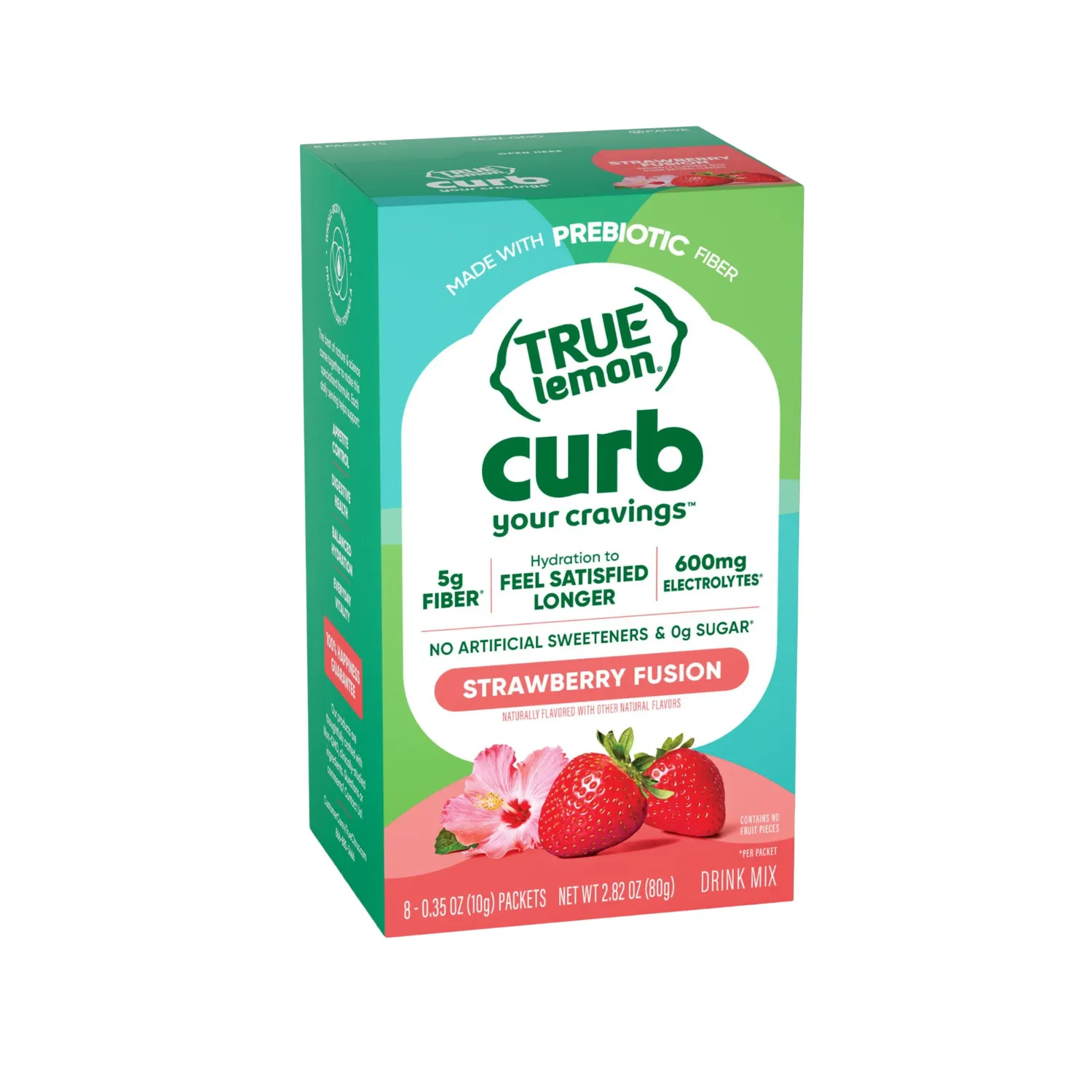
- Support appetite control
- Helps Gut Health
- Weight management
- Optimized Hydration
- Zero Sugar Solution
The Aftertaste Question
This is where preferences diverge most sharply. Some people don't notice stevia's aftertaste at all; others dislike it. Erythritol's aftertaste is generally described as crisper, though the cooling effect isn't for everyone either. Neither is universally preferred. It basically comes down to individual taste.
Erythritol vs. Stevia For Keto
For anyone following a ketogenic or low-carb diet, both erythritol and stevia are commonly used options. Erythritol contributes approximately 0.2 calories per gram and has a negligible blood glucose impact, making it a fit for keto-aligned eating. Similarly, stevia is essentially calorie-free and similarly has no meaningful effect on blood glucose (Ajami et al., 2020).
In practice, both can work well in a keto context. Erythritol is sometimes preferred in baking because it behaves more like sugar in terms of bulk and texture. Meanwhile, stevia works well in beverages and recipes where you need intense sweetness from a small amount. Some products combine the two to balance out the flavor profile, with erythritol providing body and mouthfeel while stevia contributes strength.

Final Thoughts
The erythritol vs. stevia debate doesn't have a universal answer because taste is a personal factor. Erythritol tends to offer a more sugar-like experience with a neutral aftertaste, making it a comfortable transition for people used to sugary drinks. Meanwhile, high-quality stevia provides stronger sweetness from a plant source with essentially zero calories. In the right beverages, the aftertaste concern largely fades into the background.
Ultimately, the best sweetener is the one that helps you hit those hydration goals every day. Everything else is just details.
Frequently Asked Questions About Erythritol vs. Stevia
What is erythritol, and how does it taste?
Erythritol is a sugar alcohol found naturally in some fruits. It’s similar to sugar but with about 60–80% of the sweetness and a subtle cooling sensation (Regnat et al., 2018).
What is stevia, and how does it taste?
Stevia sweeteners are high-purity steviol glycosides extracted from stevia plant leaves. They taste very sweet with slight herbal notes that vary depending on the quality of the extract.
Which has fewer calories, erythritol or stevia?
Both are extremely low in calories. High-purity steviol glycosides contain essentially zero calories, while erythritol contains approximately 0.2 calories per gram.
Which sweetener does True Citrus use?
True Citrus products are sweetened with stevia and a touch of sugar. We never use artificial sweeteners.
Are both erythritol and stevia keto-friendly?
Yes. Both contribute minimal calories, making them commonly used in keto and low-carb eating patterns.
What about monk fruit? How does it compare?
Monk fruit extract is similarly low in calories and very sweet. It's often blended with erythritol for a balanced sweetness profile.
Sources:
- Regnat, K., Mach, R. L., & Mach-Aigner, A. R. (2018). Erythritol as sweetener — wherefrom and whereto? Applied Microbiology and Biotechnology, 102(2), 587–595.https://doi.org/10.1007/s00253-017-8654-1
- Mäkinen, K. K. (2016). Gastrointestinal disturbances associated with the consumption of sugar alcohols with special consideration of xylitol. International Journal of Dentistry, 2016, 5967907.https://doi.org/10.1155/2016/5967907
- Peteliuk, V., Rybchuk, L., Bayliak, M., Storey, K. B., & Lushchak, O. (2021). Natural sweetener Stevia rebaudiana: Functionalities, health benefits and potential risks. EXCLI journal, 20, 1412–1430. https://doi.org/10.17179/excli2021-4211
- Ajami, M., Seyfi, M., Abdollah Pouri Hosseini, F., Naseri, P., Velayati, A., Mahmoudnia, F., Zahedirad, M., & Hajifaraji, M. (2020). Effects of stevia on glycemic and lipid profile of type 2 diabetic patients: A randomized controlled trial. Avicenna journal of phytomedicine, 10(2), 118–127.
Top Sellers


True Lemon


True Lemon Triple Citrus Lemonade

True Lemon Strawberry Lemonade
