
Key Takeaways:
- Vitamin C Content Depends On The Source: Fresh lemonade tends to deliver the most Vitamin C straight from a whole lemon, while processed versions vary widely.
- Processing Matters More Than You Think: Heat, light and time all affect how much Vitamin C survives in your glass.
- Reading Labels Helps You Make Better Choices: Knowing what to look for on the label of your store-bought lemonade helps you make smarter hydration decisions.
Does lemonade have Vitamin C? Long story short, yes, lemonade does contain Vitamin C, though the amount depends entirely on how it's made, what ingredients are used and how long it's been sitting on the shelf. That refreshing glass you're sipping could be packed with immune-supporting nutrients, or it might be mostly sugar water with a hint of citrus flavor.
At True Citrus, we believe you deserve to know exactly what's in your glass. We've spent years perfecting crystallized citrus products that capture the zing of a fresh lemon without artificial sweeteners, because hydration should be both smile-worthy and honest. Our commitment to simple, non-GMO ingredients means we're pretty obsessed with how nutrients work and what happens to them along the way.
In this piece, we're breaking down how much Vitamin C is in different types of lemonade, what affects nutrient content and how to make choices that keep you happily hydrated.

Product Spotlight: The Lemonade With Something Extra
Most lemonades ask you to choose between taste and what's good for you. Our lemonade drink mixes refuse to make that trade-off, and the Vitamin C content is a big reason why. Here's what earns them a permanent spot in so many family pantries:
- 50% Daily Vitamin C Per Packet: This is the detail that sets True Lemon sweetened drink mixes apart from the lemonade crowd. While most store-bought lemonades either lack meaningful Vitamin C or add synthetic ascorbic acid as an afterthought, every True Lemon lemonade packet provides you with 50% of your daily Vitamin C, built right into a delightfully zingy drink you'd want to have anyway. Half your daily target, in something that tastes like summer. That's a win hiding in plain sight.
- Citrus-Forward Flavor, 10 Calories: Made with simple, non-GMO ingredients, each packet brings a crisp, bright lemonade taste with just 1g of sugar and no artificial sweeteners. Sweetened with Stevia and a pinch of real sugar, nothing more, nothing less, you won’t have to think twice about every guilt-free gulp.
- Nine Flavors Worth Rotating: True Lemon Original Lemonade, Strawberry Lemonade, Raspberry Lemonade, Peach Lemonade, Passionfruit Lemonade, Triple Citrus Lemonade, Lemon Lime Lemonade, Mango Lemonade and Wildberry Lemonade give you enough variety to keep your taste buds excited every single day of the week.
- Convenient Enough To Use: Tuck a few packets into your bag, desk drawer or gym bag. Tear one open, add 16 oz. of water and you've got a Vitamin C-packed lemonade that took about three seconds to make. No squeezing, no measuring and no messy cutting boards means you can savor a crisp sip anytime, anywhere.
No matter if you're building a smarter daily hydration habit or just want a lemonade that pulls its weight, True Lemon 10-calorie sweetened lemonades are the convenient, flavor-boosting sidekicks you’ll want to have by your side at all times.
KNOW?
Your energy levels depend on more than caffeine.
Sleep, hydration, balanced nutrition, and regular movement all play a key role in staying energized.
Is There Vitamin C In Lemonade?
Lemonade contains Vitamin C, but the amount varies significantly. Fresh-squeezed lemonade made with about 2-3 ounces of authentic lemon juice gives you approximately 25-40 mg per 8-ounce glass. People searching, "Does Minute Maid lemonade have Vitamin C?" or, "Does Simply Lemonade have Vitamin C?" often find that store-bought versions vary widely depending on lemon juice content and whether manufacturers add ascorbic acid during processing. That said, the real question isn't whether lemonade contains Vitamin C; it's how much survives from fruit to glass.
Why Vitamin C Matters For Your Health
Vitamin C isn't just a buzzword on juice labels. This essential nutrient supports immune function, helps your body absorb iron from plant foods and acts as an antioxidant that protects cells from damage (National Institutes of Health Office of Dietary Supplements, 2024). Because humans can’t make Vitamin C on their own and body stores are limited, regular dietary intake is important.
Beyond immunity, Vitamin C is required for collagen synthesis, which supports skin health, wound healing and maintaining healthy blood vessels (National Institutes of Health Office of Dietary Supplements, 2024). For busy moms juggling family schedules, getting enough Vitamin C helps keep energy up and bodies resilient. The good news is that making smart choices about your lemonade can contribute meaningfully to your daily intake while keeping hydration interesting. If you want to delve into the broader Vitamin C picture beyond lemonade, how to make lemon water is a great starting point for a completely sugar-free option. From there, if you’re curious about whether limes are worth reaching for too, the comparison in lime water vs. lemon water benefits breaks down the differences clearly.
How Lemonade Is Made And What Happens To Nutrients
When you squeeze a fresh lemon, Vitamin C flows directly from that tart, zesty fruit into your cup. But the moment that juice hits air, light or heat, degradation begins. Vitamin C breaks down when exposed to oxygen, loses potency at high temperatures and diminishes over time (National Institutes of Health Office of Dietary Supplements, 2024; Herbig et al., 2017).
Commercial lemonade production often involves pasteurization (heating to kill bacteria), and subsequent storage can lower Vitamin C content, though the amount lost varies by processing conditions and packaging. Some manufacturers add ascorbic acid back in afterward to compensate. Others skip it entirely, leaving you with lemon-flavored sugar water.

Store-Bought vs. Homemade Lemonade: Comparing Vitamin C Content
When it comes to Vitamin C content, how your lemonade is made matters almost as much as what's in it. Homemade lemonade has a clear advantage: freshly squeezed lemon juice gives you Vitamin C in its most intact form, with no heat processing, no extended shelf life and no mystery additives between the fruit and your glass. The tradeoff is time and consistency, since the Vitamin C content varies depending on how many lemons you use, how fresh they are and how quickly you drink it, since Vitamin C degrades quickly once juice is exposed to air and light (Herbig et al., 2017).
On the other hand, store-bought versions offer convenience but involve trade-offs in nutrient retention, ingredient quality and sugar content that are worth understanding before you make them a daily habit. And if you're drawn to citrus hydration more broadly, the benefits of lime water are worth learning about alongside lemon. After all, lime brings its own nutritional character to the table and makes for a refreshingly zingy daily sip.
Pay Close Attention To Labels
Reading labels helps you separate the facts from marketing hype. Check the ingredient list first: lemon juice should appear near the top, not buried after unrecognizable scientific jargon and multiple sweeteners. From there, look for Vitamin C on the Nutrition Facts panel. This nutrient isn’t generally mandatory to put on the label in the U.S. unless it’s added to the food or a Vitamin C claim is made, so if you see "ascorbic acid" or "Vitamin C added," that usually hints at supplementation.
Watch serving sizes, too. That single bottle might contain two or three servings, tripling the sugar and calories you think you're drinking. If you want to play it safe, compare added sugar, serving size and the position of lemon juice in the ingredient list to judge how much of the product comes from citrus vs. sweeteners.
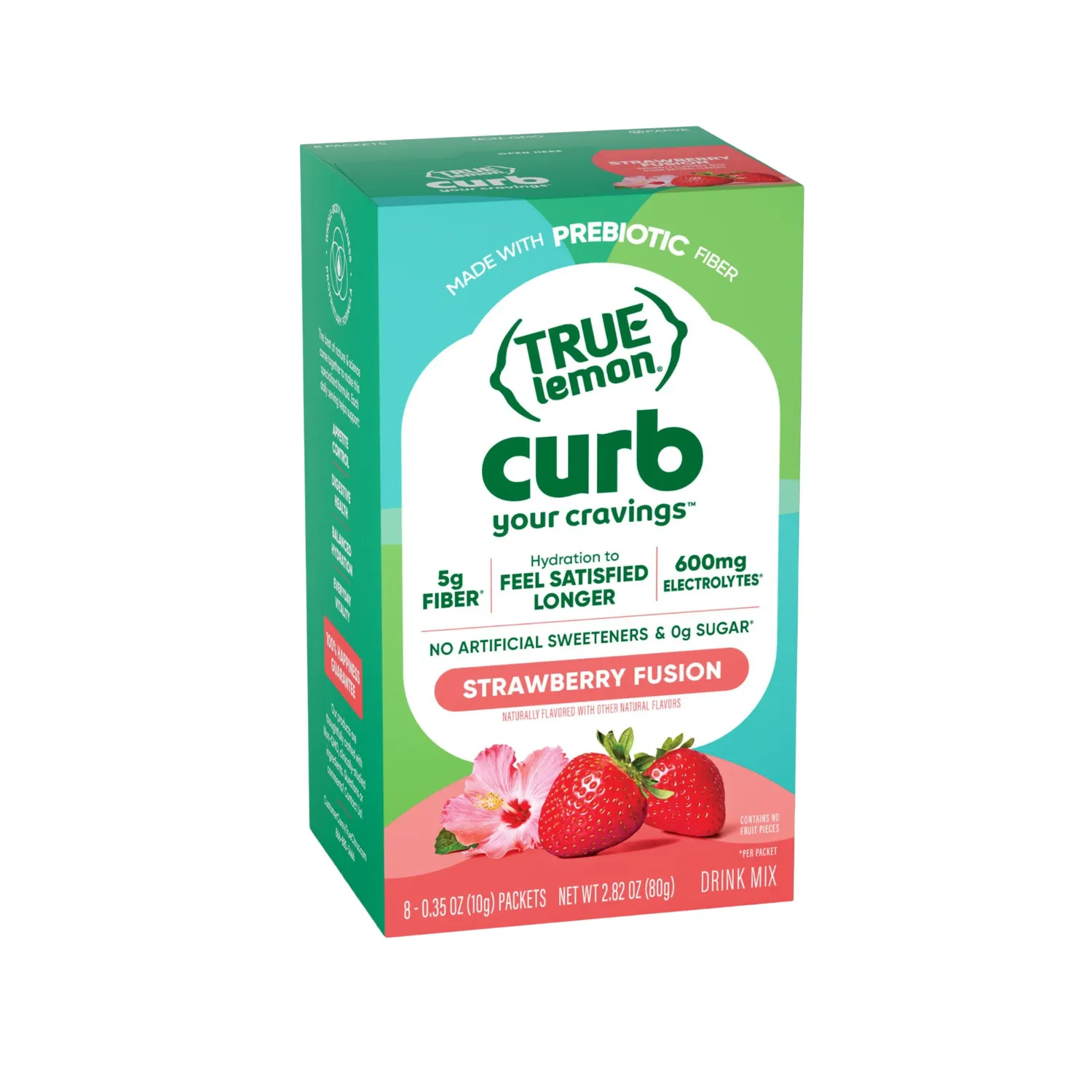
- Support appetite control
- Helps Gut Health
- Weight management
- Optimized Hydration
- Zero Sugar Solution
How Processing Affects Lemonade Vitamin C
Shelf-stable lemonades may lose substantial Vitamin C during heat processing and storage, but the exact percentage varies widely by formulation, processing method, packaging and storage conditions. Heat treatment combined with oxygen exposure, light and extended shelf time may all contribute to nutrient degradation. Refrigerated lemonades typically undergo less aggressive processing and are stored cold, which usually slows nutrient degradation. However, they still lose Vitamin C gradually, especially after opening.
Meanwhile, from-concentrate products vary considerably. Some manufacturers add back Vitamin C during reconstitution, while others don't. That said, the "from concentrate" label alone doesn't tell you much about nutrition.
Hidden Sugars And Their Impact On Nutrition
Here's where lemonade gets tricky: some sweetened lemonades can contain sugar levels comparable to regular soda. High added-sugar intake can increase calorie intake and may derail your diet goals, so Vitamin C content should be considered alongside added sugar. Another consideration is that "light" or "low-calorie" lemonades often replace sugar with artificial sweeteners like aspartame or sucralose. While they cut calories, they miss the mark on ingredients that health-conscious families want. The sweet spot? Lemonades sweetened with small amounts of cane sugar or plant-based alternatives like Stevia or monk fruit, keeping that nostalgic, sunny taste without overdoing it.

Final Thoughts
So, does lemonade have Vitamin C? Absolutely, but how much depends entirely on the choices you make. Fresh-squeezed lemonade typically offers up the most nutrients, while store-bought options range from impressive to disappointing. Reading labels, recognizing processing effects and choosing products made from better-for-you ingredients helps you get the fluids and nutrients your body deserves.
At True Citrus, we're all about making those happier choices simple and convenient. Whether you're squeezing fresh lemons or reaching for our crystallized citrus products, you're choosing zestfully delicious flavor over artificial sweeteners, and that’s something you can raise your glass to. So grab a cup, mix in your favorite lemonade mix and drink to your health. Because crushing those hydration goals should feel like a celebration, not a compromise.
Frequently Asked Questions About Does Lemonade Have Vitamin C
Does lemonade have Vitamin C?
Yes, lemonade contains Vitamin C, with fresh-squeezed versions made with 2-3 ounces of lemon juice providing approximately 25-40 mg per 8-ounce glass while store-bought amounts vary based on processing and fortification.
Why is Vitamin C important for my health?
Vitamin C supports immune function, helps with iron absorption from plant foods, is required for collagen production for glowy skin and acts as an antioxidant protecting cells from damage (National Institutes of Health Office of Dietary Supplements, 2024).
What's the Vitamin C content in fresh lemons?
Raw lemon juice contains approximately 94.4mg of Vitamin C per cup, with slight variation depending on the lemon (U.S. Department of Agriculture, 2015).
Does cooking or processing lemonade destroy Vitamin C?
Yes, heat processing, light exposure and extended storage can potentially impact Vitamin C content in lemonade, though losses vary by processing method, packaging and storage conditions.
How much Vitamin C is in homemade lemonade vs. store-bought?
Homemade lemonade made with 2-3 ounces of fresh lemon juice typically contains 25-40 mg per 8-ounce glass, while store-bought versions vary widely. Check the Nutrition Facts panel for specific Vitamin C content.
What should I look for on lemonade labels to find Vitamin C?
Check the nutrition facts panel for Vitamin C content (if listed) and look for "lemon juice" or "ascorbic acid" high on the ingredient list.
Do commercial lemonades have added vitamins?
Some commercial lemonades add Vitamin C (ascorbic acid) after processing, while others contain only trace amounts. For the most accurate information, be sure to check the product label.
Sources:
- National Institutes of Health Office of Dietary Supplements. (2024). Vitamin C: Fact sheet for health professionals. https://ods.od.nih.gov/factsheets/VitaminC-HealthProfessional/
- Herbig, A.-L., Maingonnat, J. F., & Renard, C. M. G. C. (2017). Oxygen availability in model solutions and purées during heat treatment and the impact on vitamin C degradation. LWT - Food Science and Technology, 85, 493–499. https://doi.org/10.1016/j.lwt.2016.09.033
- U.S. Department of Agriculture. (2015). USDA national nutrient database for standard reference, Release 28: Vitamin C. https://ods.od.nih.gov/pubs/usdandb/VitaminC-Food.pdf
Top Sellers


True Lemon

True Lime Watermelon Limeade


True Lemon Triple Citrus Lemonade

True Lemon Strawberry Lemonade
