
Key Takeaways
- Moderate Caffeine: Green tea caffeine is generally lower than coffee and may feel more balanced.
- Preparation Matters: Brewing style and tea type affect how much caffeine ends up in the cup.
- Routine Friendly: Green tea often fits easily into daily hydration and energy habits.
Green tea caffeine is a topic that often comes up when people are thinking about energy, focus and daily drink choices. Green tea is known for offering a gentler caffeine experience compared to other popular beverages like coffee, but the amount of caffeine can vary depending on how it’s prepared and consumed. Understanding these differences can help you decide how green tea fits into your schedule.
At True Lemon, we think a lot about how everyday drinks support how people feel throughout the day. From happy hydration habits to moments where a crisp sip can lift you out of your afternoon funk, our focus is always on balance and enjoyment. That perspective shapes how we look at green tea caffeine as part of broader beverage choices people already make.
In this piece, we’ll be discussing green tea caffeine, how it compares to other drinks and what to know when choosing green tea for daily routines.
Green Tea Energy Boost And How People Describe It
A green tea energy boost is often described as more even and mellow than that of other caffeinated drinks. Many people say it feels supportive rather than intense, which is why green tea is commonly chosen for mid-morning or early afternoon moments when razor-sharp focus matters.
Because green tea is frequently part of everyday hydration routines, it’s often mentioned alongside other delicious beverage choices that help people feel refreshed. If you’re curious how small swaps might support steady energy and hydration, our blog on the benefits of lemon water explores how flavor can make hydration habits easier to maintain.
Overall, green tea tends to fit smoothly into daily life. Instead of a quick jolt, it’s often associated with feeling alert, balanced and ready to keep moving through the day.

Does Green Tea Keep You Awake?
For many people, green tea feels more manageable than stronger caffeinated drinks. The caffeine level is often lower, and the experience is often described as smoother and easier to fit into daily rhythms. However, the way green tea affects you can depend on timing and sensitivity. Some people enjoy it earlier in the day for light focus, while others are comfortable having it in the afternoon without it interfering with evening rest.
In the end, green tea is often seen as a middle-ground choice. Paying attention to how it fits into your own routine helps you decide when it feels energizing and when it’s best saved for another time.
Green Tea Caffeine Sensitivity And Individual Differences
Green tea caffeine sensitivity can vary widely from person to person. Factors like individual tolerance, timing and daily habits all influence how it feels. Some people pick up on the lift quickly, while others experience a much subtler change. A few common factors often shape how green tea feels:
- Serving Size: Larger cups or multiple helpings might feel more intense than a single serving.
- Timing: Morning, mid-day or late afternoon use may affect how noticeable the caffeine feels.
- Food Pairing: Drinking green tea with or without food can influence how it’s perceived.
- Personal Tolerance: Everyone responds to caffeine a little differently, so it can help to drink a small serving and gauge how your body feels afterwards.
Because of these differences, many people pay attention to how green tea fits into their hydration patterns. If you’re looking into options beyond plain water, our guide on how to stay hydrated without drinking water offers ideas for building a routine that feels flexible and sustainable.
KNOW?
Green tea offers a gentler caffeine boost than coffee?
Its naturally lower caffeine content, paired with L-theanine, helps support calm focus and sustained energy without the sharp spikes or crashes.
How Much Caffeine Is In Green Tea Compared To Other Drinks?
Green tea is often chosen by people looking for a more moderate caffeine option, especially compared to coffee or energy drinks. While the exact caffeine content can vary based on the type of tea, serving size and brewing method, green tea generally falls into a middle range that many people find manageable.
Average Green Tea Caffeine mg Level
According to the Center for Science in the Public Interest’s Caffeine Chart, most green tea varieties contain approximately 20 to 40 milligrams of caffeine per 6-ounce serving. That’s noticeably less than a typical cup of coffee, which often contains well over 90 milligrams in a larger serving. However, green tea usually contains more caffeine than herbal teas, which are usually caffeine-free.
Why Green Tea Feels Like A Gentler Energy Option
This moderate caffeine level is one reason green tea is often described as providing a gentler lift. It can feel easier to fit into the day without the intensity or jitteriness some people associate with stronger caffeinated beverages. For many, that makes green tea a practical choice for mornings, mid-day focus or times when they want some alertness without going overboard.
How Timing And Personal Green Tea Caffeine Sensitivity Affect Response
When comparing green tea to other drinks, it’s also helpful to consider timing and personal sensitivity. A cup in the morning may feel very different from one in the afternoon, and individual responses to caffeine can vary widely. Knowing where green tea falls on the caffeine spectrum can help you choose what fits best with your routine and energy needs.

Green Tea Caffeine vs Coffee And What Sets Them Apart
Green tea and coffee often get compared because both are everyday go-to drinks. The difference usually comes down to how they feel once you take a big gulp. Coffee is known for its bold flavor and fast-acting energy, while green tea tends to offer a more measured experience.
Differences In Caffeine Levels
Coffee typically contains more caffeine per cup than green tea. That higher dose is part of what gives coffee its punch. Green tea, on the other hand, sits on the gentler end of the spectrum, which is why many people reach for it when they want some alertness without feeling overstimulated.
How The Experience Feels
Caffeine isn’t just about numbers. It’s about how your body responds. Many people describe coffee as delivering a quick surge, while green tea feels smoother and more gradual. That steadier pace can make green tea easier to enjoy over a longer stretch of the day.
Choosing Based On Routine
When it comes to green tea caffeine vs coffee, timing often matters more than preference. Coffee tends to show up in morning routines, while green tea fits wonderfully into late mornings or afternoons when a lighter lift feels better. The best choice is the one that works with how your day unfolds.
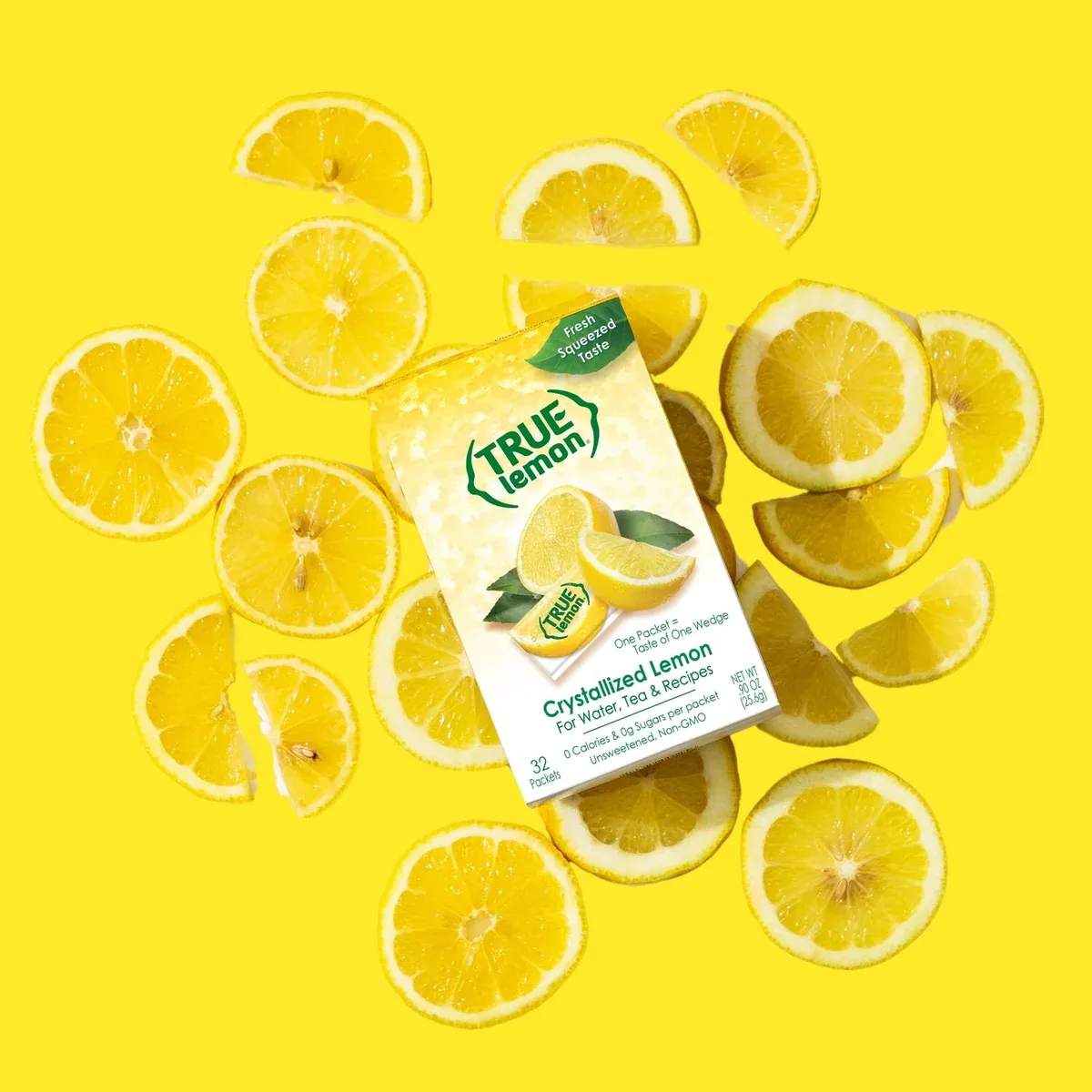
- Made with simple, Non-GMO ingredients
- NO artificial sweeteners
- 0 calories, 0 sugar, 0 sodium
- Small batch quality you can taste in every sip
- Endless uses
Matcha Caffeine Content And How It Differs From Brewed Tea
Matcha is often discussed separately from brewed green tea because of how it’s prepared. Instead of steeping tea leaves and removing them, matcha involves whisking finely ground green tea leaves directly into water. Because the entire leaf is consumed, the experience can feel noticeably distinctive from a standard cup of brewed green tea.
Since you’re drinking the whole leaf, matcha typically delivers a more concentrated green tea profile. That includes a richer flavor and a caffeine presence that many people describe as more pronounced than brewed green tea, though still different from coffee. Research has shown that matcha contains higher levels of caffeine and amino acids due to its unique cultivation and preparation methods (Kochman et al., 2021; Kika et al., 2024).
Another factor that sets matcha apart is how it’s grown. Matcha tea plants are shaded before harvest, a process that increases compounds responsible for its vibrant color and characteristic taste. This growing method also influences the balance of caffeine and other naturally occurring components in the leaf, which helps explain why matcha can feel more robust than brewed green tea made from steeped leaves (Kochman et al., 2021).
Because of these differences, matcha is often chosen by people who want a stronger green tea option, while brewed green tea remains popular for its more delicate feel and flexibility throughout the day. Both have their place. It’s less about which one is better and more about which preparation fits your taste preferences and the moment you’re sipping.
Decaf Green Tea Caffeine And What To Expect
Decaf green tea caffeine is often discussed by people who enjoy the taste of green tea but want to limit their caffeine intake. While decaffeinated green tea contains significantly less caffeine than regular green tea, it may still include small trace amounts depending on how it is processed.
How Decaffeination Affects Caffeine Levels
The decaffeination process removes most of the caffeine from green tea leaves, but not always all of it. As a result, decaf green tea is generally considered a low-caffeine option rather than completely caffeine-free. For some people, that remaining amount is small enough to feel negligible in everyday routines.
Why Some People Choose Decaf Green Tea
Decaf green tea is often chosen later in the day or by those who are more sensitive to caffeine. It allows people to enjoy the familiar flavor and calming ritual of tea without worrying as much about how it might affect sleep or relaxation. For anyone easing back on caffeine, it can be a comfortable middle ground.
What To Keep In Mind When Drinking Decaf
Because small amounts of caffeine may still be present, individual sensitivity matters. Paying attention to how decaf green tea feels in your own routine can help you decide when and how it fits best into your day.

Final Thoughts
Green tea caffeine is often appreciated for how easily it fits into everyday routines without feeling overwhelming. It offers a moderate option for people who want some lift while still prioritizing balance and hydration throughout the day.
When choosing green tea, factors like preparation, timing and personal sensitivity all play a role. Many people also think about how their overall hydration habits support energy across the day, especially when they’re looking for variety without relying only on stronger caffeinated drinks.
Overall, green tea caffeine is best understood as flexible. It adapts to different needs and moments, which is why so many people return to it when they want something that feels steady, familiar and easy to enjoy.
Frequently Asked Questions About Green Tea Caffeine
How much caffeine is in green tea?
Green tea caffeine levels are generally lower than coffee, though the exact amount can vary based on the type of tea, how it is brewed and serving size.
Is green tea caffeine stronger than coffee?
Coffee usually contains more caffeine than green tea per cup. Green tea is commonly described as feeling more mellow and gradual.
Does matcha have more caffeine than green tea?
Matcha caffeine content is often higher than brewed green tea because the whole tea leaf is consumed rather than steeped and removed.
Does decaf green tea still contain caffeine?
Decaf green tea caffeine is usually very low, but small trace amounts may remain depending on how it was processed.
Is green tea better if you are sensitive to caffeine?
Green tea caffeine sensitivity varies by individual, but some people find green tea easier to tolerate than stronger caffeinated drinks.
Does green tea keep you awake at night?
This depends on timing and personal sensitivity. Many people choose to enjoy green tea earlier in the day.
How does brewing affect green tea caffeine?
Steep time, water temperature and tea quantity may all influence green tea caffeine levels.
Is green tea considered a hydration-friendly drink?
Green tea is often included in hydration routines because it contributes to daily fluid intake, since it’s primarily made of water.
Can green tea fit into a low-caffeine routine?
Usually, yes. Green tea is commonly chosen by people who want some caffeine while keeping their intake moderate.
Sources:
- Kochman, J., Jakubczyk, K., Antoniewicz, J., Mruk, H., & Janda, K. (2021). Health Benefits and Chemical Composition of Matcha Green Tea: A Review. Molecules, 26(1), 85. https://doi.org/10.3390/molecules26010085
- Kika, J., Jakubczyk, K., Ligenza, A., Maciejewska-Markiewicz, D., Szymczykowska, K., & Janda-Milczarek, K. (2024). Matcha Green Tea: Chemical Composition, Phenolic Acids, Caffeine and Fatty Acid Profile. Foods, 13(8), 1167. https://doi.org/10.3390/foods13081167
Top Sellers


True Lemon

True Lime Watermelon Limeade

True Lime Black Cherry Limeade

True Lemon Energy Strawberry Dragonfruit
