
Key Takeaways
- Flavor-First Approach: Diabetic salad dressing recipes can be bright and satisfying, using tasty ingredients like lemon juice, vinegar and herbs.
- Better Ingredient Control: Making dressing at home helps avoid added sugars and gives more flexibility in managing what goes inside.
- Supports A Balanced Lifestyle: Citrus-forward, sugar-free options pair well with fresh ingredients and consistent hydration habits, which can both contribute to a well-rounded wellness routine.
A great salad dressing can turn a bowl of greens into something crave-worthy. But for those watching their sugar intake, many store-bought options can fall short. From hidden sugars to unnecessary ingredients, it’s not always a walk in the park to find a dressing that supports your goals and still tastes like something you want to eat. That’s why making your own is a smart move. With the right ingredients, it’s possible to create dressings that feel fresh, flavorful and right for you.
At True Citrus, we’re all about helping you eat and live well with citrus-forward products that keep things simple. They’re made with simple, non-GMO ingredients you can pronounce, and we’re proud to offer options that support low-sugar lifestyles without compromising on taste. Whether you’re watching your blood sugar or just looking to make a smart swap, our seasoning blends and drink mixes make it effortless to stick to what works.
In this blog post, we’ll give you ideas for diabetic salad dressing recipes that are easy to enjoy and even easier to make part of your routine.

Why Diabetic Friendly Salad Dressings Matter For Everyday Meals
Salad dressings may seem like a small detail, but they can have a meaningful impact on how a meal fits into your routine. According to guidance from Diabetes Meal Plans, reading labels closely and limiting added sugars can help support steadier blood sugar levels throughout the day. Many bottled dressings rely on sweeteners, thickeners or highly processed oils to boost flavor and extend shelf life. While convenient, those ingredients can quietly add up, especially when salads are a frequent part of your meals. Diabetes-friendly salad dressings can support everyday eating habits in a few practical ways:
- Lower Added Sugar: Paying attention to what’s on the label helps avoid unnecessary spikes from overly sweetened dressings or heavily processed bottled options.
- More Predictable Carbs: Knowing what was used to create your salad dressing makes it simpler to plan meals with confidence.
- Better Ingredient Control: Whipping up your own dressings lets you choose what goes into your food.
- Delicious Salads: A punchy burst of flavor can elevate a simple bowl of greens, making it easier to add more greens to your plate each day.
Choosing a dressing that works with your preferences and still tastes good can make a big difference over time. It’s not about restriction or perfection. It’s about finding options that feel realistic and satisfying to repeat as part of your regular meals.
Product Spotlight: A Citrusy Shake-Up For Homemade Dressings
Looking for a quick way to upgrade your homemade salad dressings, minus the hassle of cutting fresh fruit or cleaning sticky cutting boards? Our lineup of salt-free shakers and seasonings makes it easy to add bold, citrus-forward flavor in seconds. These pantry-ready options are destined to be your new cooking bestie and earn a permanent spot on your spice rack, helping you build bright, balanced dressings with consistency and control.
- Zest In A Pinch: The True Lime Shaker wakes up vinaigrettes and yogurt-based dressings with just a few shakes of zestfully delicious flavor. It pairs especially well with olive oil, avocado and leafy greens, adding a crisp citrus note without salt, sugar or calories.
- Herb-Backed Brightness: Our True Lime Garlic Cilantro Spice Blend is a fan-favorite that combines lime flavor with warm garlic and cilantro for a well-rounded salad dressing upgrade. Use it to bring warmth and depth to creamy dressings or stir it into olive oil and vinegar for a quick herb vinaigrette.
- Lemon-Ready Any Time: The True Lemon Shaker makes it simple to add sunny lemon flavor without squeezing or slicing. It works well in oil-based dressings or whenever you want to boost citrus flavor with consistent results and no added salt.
- Convenient And Consistent: All three shakers are shelf-stable, easy to portion and travel-friendly, making them a reliable alternative to fresh citrus when time or prep space is limited. With simple, non-GMO ingredients you can pronounce and zero calories per serving, they’re designed to support everyday cooking without added steps.
If you’re experimenting with sugar-free or lower-carb dressings, these citrus-forward shakers make it easier to fine-tune flavor as you go. Lemon and lime remain favorites for their bright taste and versatility across a wide range of dressings. A pinch more seasoning or a swirl of mustard can help you land on a version you’ll reach for again.
KNOW?
People with diabetes can enjoy fresh, flavorful salad dressings.
Dressings made with ingredients like olive oil, vinegar, lemon juice, herbs, and spices can add bold flavor without added sugars, helping support balanced blood sugar choices.
Diabetic Salad Dressing Recipes That Don’t Compromise On Taste
Salad dressing can be where a healthy meal either stays on track or takes a surprising turn. For those paying closer attention to blood sugar, even a small drizzle of the wrong dressing can sneak in unexpected sugars or carbs. But that doesn’t mean settling for bland substitutes or skipping dressing altogether.
Diabetic salad dressing recipes aim to bring big flavor using ingredients that feel good and fit into your lifestyle. The goal isn’t restriction. It’s about experimenting with taste combinations that fit your plate, your palate and your goals. Ingredients like vinegar, citrus, herbs and spices can add depth and brightness without relying on added sugars.
Homemade mixes also let you skip the preservatives or thickeners that sometimes show up in bottled versions. Light vinaigrettes, yogurt-based dressings and oil-forward blends can all work when made with intention. Knowing what goes into your dressing makes it easier to savor each guilt-free bite without feeling like you’re compromising on taste.
Sugar Free Salad Dressing Recipes For Balanced Flavor
Sugar-free salad dressing recipes offer a simple way to add bold flavor without overthinking what’s in every bite. Many store-bought dressings rely on added sugars for taste, even when the rest of the label looks straightforward. But sugar isn’t required to make a dressing satisfying.
Some of the most flavorful options start with oil and vinegar or yogurt and citrus, then build complexity with herbs, garlic and other spices. When sugar is left out, tangy and savory notes tend to stand out more clearly, creating a dressing that feels refreshingly balanced without overdoing it.
Homemade dressings also give you flexibility. You can adjust acidity, seasoning or texture to suit your taste, making it easier to regularly eat salads in a way that feels sustainable. Over time, these kinds of simple swaps can help salads stay interesting without adding unnecessary ingredients.

Low Carb Salad Dressing Recipes To Keep Things Light
Wellness-focused eating often starts with knowing what’s going into your meals. Low carb salad dressing recipes can be easy to prepare and satisfying to eat when they’re built around fresh flavors you love while avoiding anything you’re trying to limit.
Skip The Hidden Carbs
Many bottled dressings include added starches or sweeteners that increase carb counts without adding much value. Making your own dressing gives you more visibility into what you’re using and makes it easier to keep carbs in check.
Use Familiar Ingredients
Simple ingredients like oil, vinegar, lemon juice and herbs create a strong foundation. They add complexity and layered flavor without relying on sugars or heavy thickeners. Olive oil is a common choice in many homemade dressings, and research suggests that regular olive oil consumption is associated with a lower risk of diabetes when used as part of an overall eating pattern (Du & Zhou, 2025).
For creamier textures, plain yogurt or avocado can provide richness while still keeping recipes light and balanced. Building dressings around familiar ingredients makes it easier to control flavor, texture and how they fit into everyday meals.
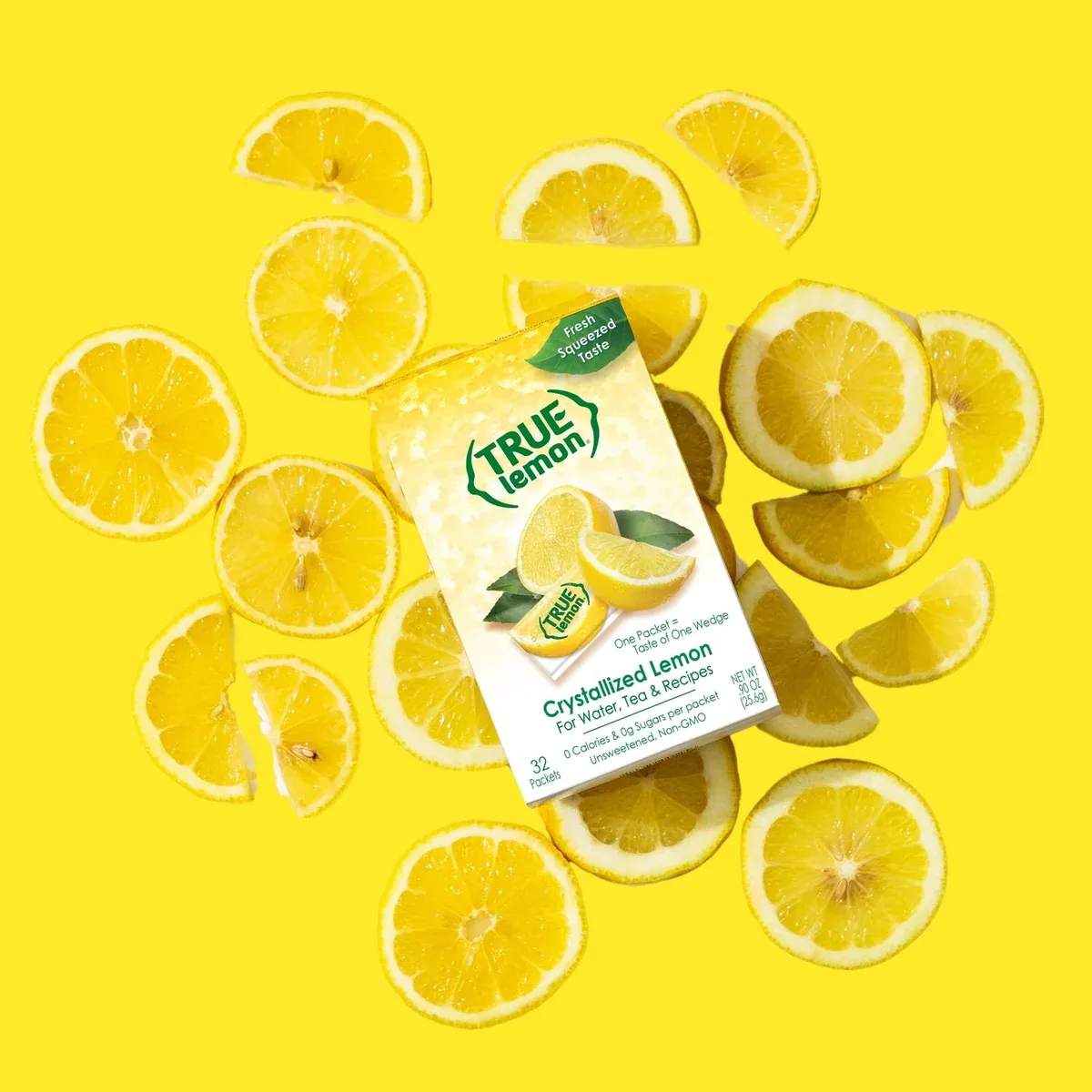
- Made with simple, Non-GMO ingredients
- NO artificial sweeteners
- 0 calories, 0 sugar, 0 sodium
- Small batch quality you can taste in every sip
- Endless uses
Keep It Flexible
Once you have a base you like, you can tweak the flavors to match the rest of your meal. A little garlic, extra herbs or a pinch of seasoning for warmth can help tailor the dressing to different salads and meals. Flexibility makes it simpler to introduce variety into your routine without starting from scratch each time.
How To Make A Homemade Diabetic Dressing
Finding a healthy salad dressing for diabetics doesn’t require specialty ingredients or complicated steps. Homemade dressings offer a simple way to take control of your meals using items you may already have in your kitchen. With a few basics, you can create something that fits your needs and still makes you smile with each delicious bite.
- Start With An Adaptable Foundation: Most dressings begin with two key elements: acid and fat. Lemon juice and vinegar can brighten things up, while olive oil or yogurt contributes a creamy, smooth texture. This approach keeps the focus on flavor without relying on added sugars or heavy thickeners.
- Adjust The Flavor To Your Preference: Small changes can make a big difference. Herbs add freshness, garlic brings depth and mustard adds a sharp note that ties everything together. Tasting as you go helps you land on a combination that works for you.
Keep It In Your Routine: Once you’ve found a few combinations you like, they’re effortless to repeat. Having a go-to dressing you can mix up in minutes can lessen your reliance on bottled options, letting you create a diet plan that works for you.

Final Thoughts
A homemade salad dressing doesn’t need to be complicated to work well. With a few familiar ingredients and a willingness to experiment, it’s possible to create dressings that fit your tastes and your goals. No matter if you’re following a specific eating plan or simply trying to be more mindful with your meals, making your own dressing can help you stay consistent without giving up flavor.
A well-balanced dressing supports the rest of the meal. It highlights fresh produce, adds richness or acidity where needed and makes it easier to enjoy veggies you want to eat more often. Over time, these small, practical choices can help support more sustainable eating habits.
Frequently Asked Questions About Diabetic Salad Dressing Recipes
What ingredients should I avoid in store-bought dressings if I have diabetes?
Many people choose to limit dressings that list added sugars, corn syrup or highly refined sweeteners near the top of the ingredient list. These ingredients can add up quickly in an otherwise balanced meal.
Is balsamic vinegar okay for people with diabetes?
It can be, when used mindfully. Balsamic vinegar contains some sugars, so smaller portions are usually preferred. It can still work well as part of a thoughtfully made homemade dressing.
Can lemon juice be used in diabetic salad dressing recipes?
Yes. Lemon juice adds brightness and acidity without added sugar and pairs wonderfully with olive oil or yogurt-based dressings.
How often can I use homemade diabetic dressing?
Frequency depends on the ingredients you use and what fits your routine. Making dressings at home allows you to adjust them to your preferences and needs.
Do creamy dressings always have more sugar?
Not necessarily. While many store-bought creamy dressings do contain added sugars, homemade versions using ingredients like plain yogurt or avocado can provide creaminess without extra sweetness.
Can I meal prep diabetic-friendly salad dressings?
Of course! Many homemade dressings keep well in the refrigerator for several days, especially oil-and-vinegar blends. Shaking or stirring before use usually helps recombine ingredients.
What’s a good way to add sweetness without sugar?
Some people use small amounts of fruit purée or a splash of balsamic vinegar for depth. Non-sugar sweeteners like Stevia may also be an option, depending on personal preference.
Is there a benefit to making salad dressing at home versus buying it?
Making dressing at home gives you more control over ingredients, including sugar and carbohydrate content, and allows you to tailor flavors to your taste.
Can I still use store-bought dressing sometimes?
Absolutely. Checking labels and choosing options that align with your goals can help you enjoy convenience while staying mindful of ingredients.
Sources:
- Du, Y., & Zhou, H. (2025). Effect of olive oil consumption on diabetes risk: A dose‑response meta‑analysis. Journal of Health, Population and Nutrition, 44, 135. https://doi.org/10.1186/s41043-025-00866-7
Top Sellers


True Lemon


True Lemon Triple Citrus Lemonade

True Lemon Strawberry Lemonade
